13/04/2026

U.S. President Donald Trump ordered the blockade of the Strait of Hormuz, a move that further escalated tensions between the United States and Iran. Prior to this, the peace talks between the U.S. and Iran held in Pakistan over the weekend ended without result, and the originally short-lived market optimism completely faded, directly leading to a sharp surge in global oil prices and a simultaneous decline in stock and bond prices.
As the only maritime passage from the Persian Gulf to the Indian Ocean, the Strait of Hormuz is the world’s most important energy transportation artery, with approximately 20% of global oil consumption transported through it. Its shipping conditions directly affect the stability of global energy supply. Fearing that the blockade would further hinder energy transportation through this key waterway, Brent crude oil prices rose by 8% to approach the $103 per barrel mark. Affected by this, Asian stock markets opened 0.6% lower on Monday, and S&P 500 index futures also fell by about 1%, mainly because rising oil prices may suppress global economic growth.
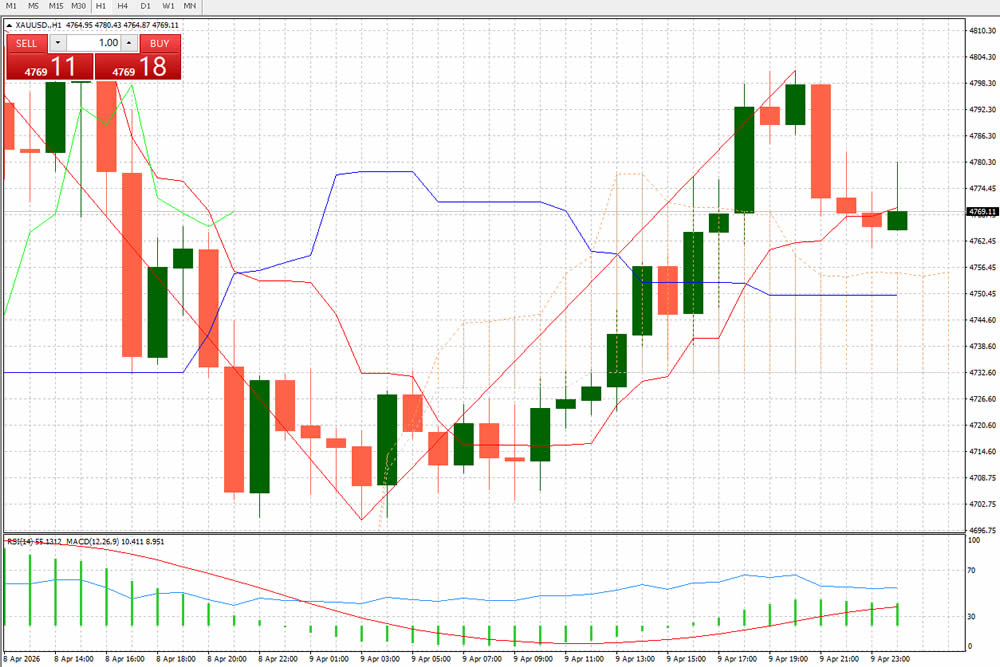
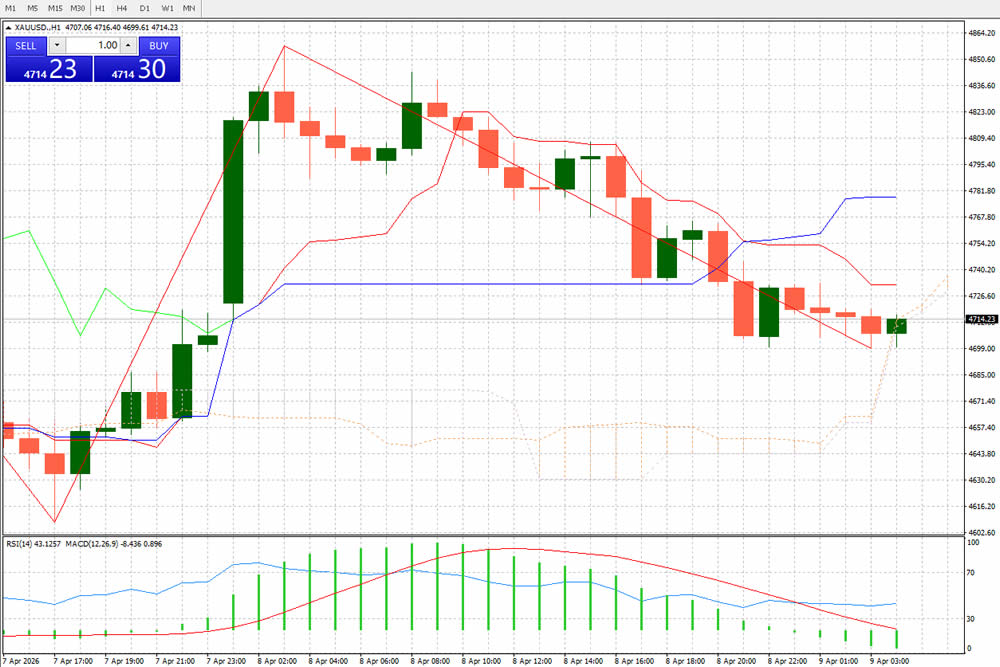
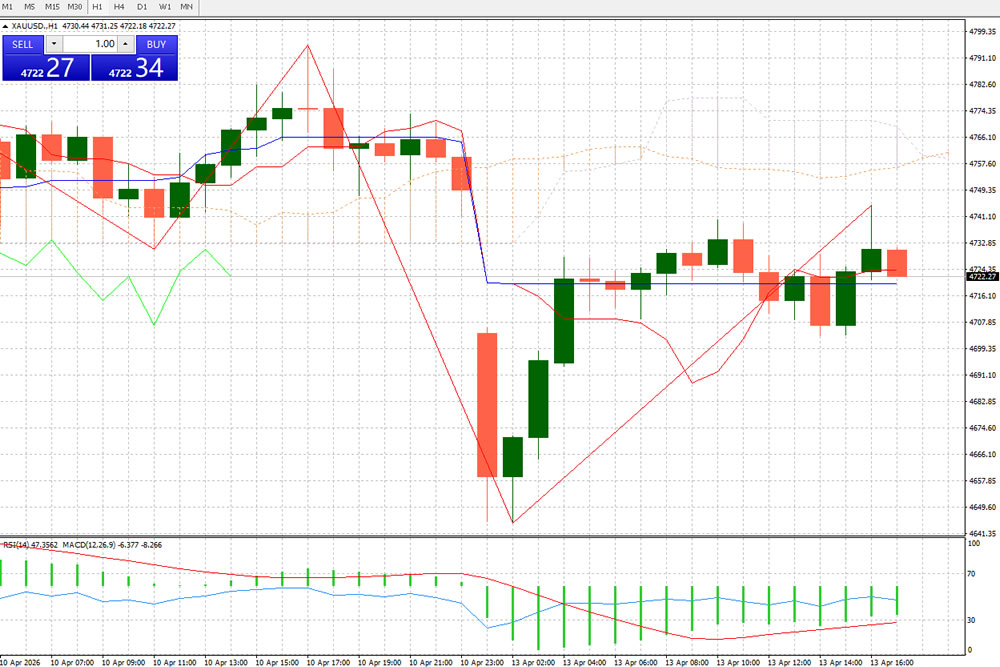
Since the outbreak of the Middle East conflict at the end of February, the U.S. dollar has always been the preferred safe-haven asset for global investors and has currently strengthened against all Group of Ten (G10) currencies. At the same time, U.S. Treasury bond prices fell, and Japan’s 10-year government bond yield climbed to 2.49%, the highest level since 1997. In addition, rising oil prices have intensified market expectations that interest rates will remain high, which has put pressure on non-yielding assets such as gold, causing the price of gold to fall by 1.5% to about $4,670 per ounce.
Trump’s move to escalate actions against Iran came right after the breakdown of the U.S.-Iran weekend talks, which weakened the market’s willingness to continue the stock market rally driven by the ceasefire last week. However, it is worth noting that the correction in stock markets after the opening on Monday was relatively mild, indicating that investors still hold cautious expectations that the two sides are expected to reach a solution, thereby limiting the further impact of the conflict on the market.
U.S. Central Command has officially announced that, in accordance with President Trump’s statement, it will impose a blockade on all ships entering and leaving Iranian ports starting at 10 a.m. New York time on Monday. The U.S. military clearly stated that it will not hinder the freedom of navigation of ships passing through the Strait of Hormuz to and from non-Iranian ports. In response, Iran has clearly stated that it “will never allow” such a blockade to happen.
Trump further stated that the United States will intercept any ships that pay tolls to Iran in exchange for safe passage through the Strait of Hormuz and will clear mines in the strait. It is reported that this blockade will block nearly 2 million barrels of oil transported by Iran through this waterway every day, which will not only further squeeze global oil supply but also cut off an important economic lifeline for Iran.
Since the outbreak of the Middle East conflict at the end of February, assessing the market’s reaction to relevant news has been a tricky process. As the United States and Iran continue to adjust their strategies to gain negotiating advantages, the global market has frequently experienced sharp fluctuations. However, analysts point out that if investors believe that the negotiations between the two sides are only a strategy and will ultimately help resolve this seven-week-old conflict, the magnitude of market fluctuations may be limited.
To make matters worse, the U.S. first-quarter earnings season is about to kick off. Analysts expect that the year-on-year profit growth of S&P 500 constituent companies will be about 12%, which will be the lowest level since the second quarter of 2025. Among them, Goldman Sachs Group will take the lead in releasing its earnings report on Monday, firing the first shot of this earnings season.
Currently, investors are eager to hear the views of corporate leaders on the increasingly intensifying market risks, which mainly include rising inflation caused by soaring oil prices and the pressure that consumers may reduce spending as a result. Data released last Friday showed that the U.S. Consumer Price Index (CPI) recorded its largest increase since 2022. Although the core CPI increase was relatively moderate, the consumer confidence index has dropped sharply, highlighting market concerns about inflation and economic prospects.
Against this backdrop, higher bond yields have begun to attract some investors. Among them, the 2-year U.S. Treasury bond yield, which is most sensitive to expectations of Federal Reserve policy, is currently about 3.85%, having risen nearly 0.5 percentage points since the outbreak of the Middle East conflict.
At the same time, there has also been a positive signal in the global market: the Hungarian forint has strengthened against both the euro and the U.S. dollar. This change comes against the background that Hungarian Prime Minister Viktor Orbán was defeated by pro-European opposition with an overwhelming advantage in the general election on Sunday. The market generally believes that this result is the most favorable for Hungary, as it will help Hungary obtain billions of euros in financing support from the European Union.
[Disclaimer] Forex trading involves risk; please invest with caution. This content is for informational purposes and objective analysis only, and does not constitute any investment advice, basis for buying/selling, or guarantee of returns. Investors should make independent decisions based on their own financial situation and risk tolerance, and bear their own investment risks.