
10/04/2026

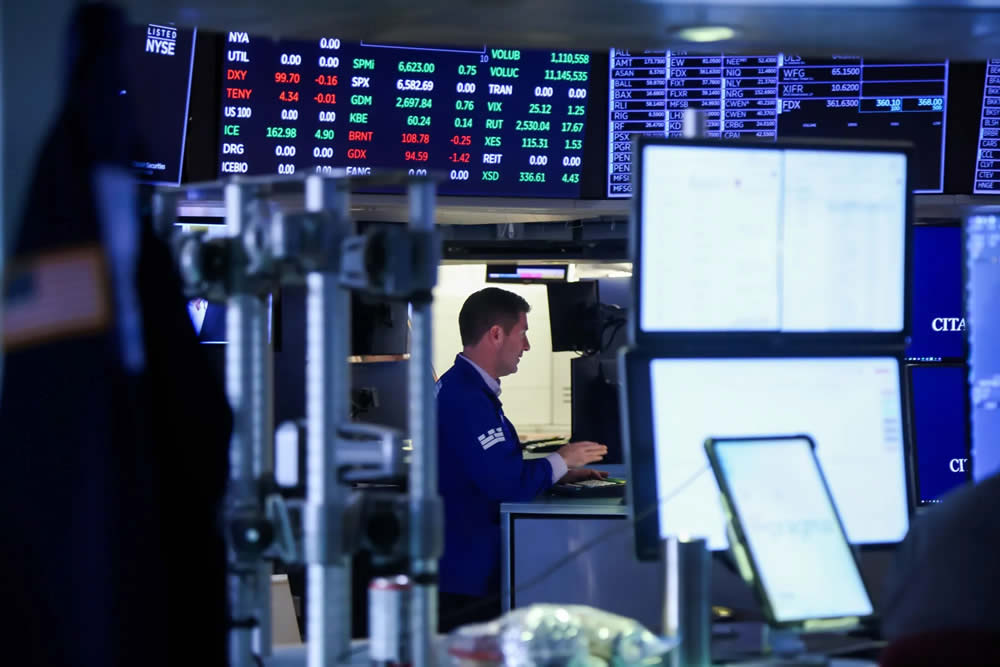
Boosted by expectations of easing tensions in the Middle East, Wall Street stocks continued to rise, with the S&P 500 Index recording a seven-day winning streak, its longest since October last year. Despite a sell-off in software stocks on the day, the overall upward momentum of the market remained largely unaffected. Meanwhile, oil prices fell below $100 per barrel as geopolitical risks eased.
The core driver behind the stock market’s rise came from positive signals in the Middle East situation. According to a report by NBC, Israeli Prime Minister Benjamin Netanyahu has agreed to hold direct talks with Lebanon, with the focus of the talks on disarming Hezbollah, which is allied with Iran. U.S. President Donald Trump has asked Netanyahu to reduce air strikes on Lebanon to ensure the smooth progress of negotiations between the United States and Iran.
President Trump stated that he is “very optimistic” about reaching a relevant agreement with Iran, although key issues such as Israel’s military operations in Lebanon and the opening of the Strait of Hormuz have not yet been resolved. It is worth noting that Iran previously stated that the Strait of Hormuz will only be reopened if the United States truly stops its “aggressive” actions in the Middle East, and the strait is still under control. Driven by expectations of easing tensions, market concerns about Iran’s continued blockade of the Strait of Hormuz have eased, and the U.S. crude oil settlement price finally closed around $98 per barrel.
While the stock market strengthened, the latest economic data released in the United States presented a mixed picture. Data showed that U.S. economic growth in the last few months of 2025 was lower than previously expected by the market; affected by the sustained inflation caused by the war, U.S. consumer spending barely grew in February this year, putting pressure on residents’ actual purchasing power and weakening the driving force of domestic economic demand.
Jeff Roach of LPL Financial commented on this: “Even before the war, inflationary pressures in the healthcare and financial services industries were particularly severe. We still have a long way to go before a substantial improvement in inflation levels.”
Brett Kenwell of eToro pointed out that the currently released economic data have not yet reflected the full impact of the recent surge in energy prices, while the Consumer Price Index (CPI) to be released this Friday will partially reflect this impact. According to economists’ forecasts, the March CPI is expected to rise by 0.9% month-on-month, which, if the forecast is realized, will be the largest single-month increase since 2022, highlighting the significant impact of the war on U.S. inflation.
However, there was positive news from the labor market. Another report released on Thursday showed that the number of continuing U.S. unemployment benefit claims fell to the lowest level in nearly two years, a data that further proves that the U.S. labor market has stabilized. Roach added: “We see that the number of people applying for unemployment benefits remains low. Although economic growth has slowed down, the stability of the labor market provides a certain buffer space for the Federal Reserve’s policy adjustments.”
[Disclaimer] Forex trading involves risk; please invest with caution. This content is for informational purposes and objective analysis only, and does not constitute any investment advice, basis for buying/selling, or guarantee of returns. Investors should make independent decisions based on their own financial situation and risk tolerance, and bear their own investment risks.
Related Posts