
26/05/2026

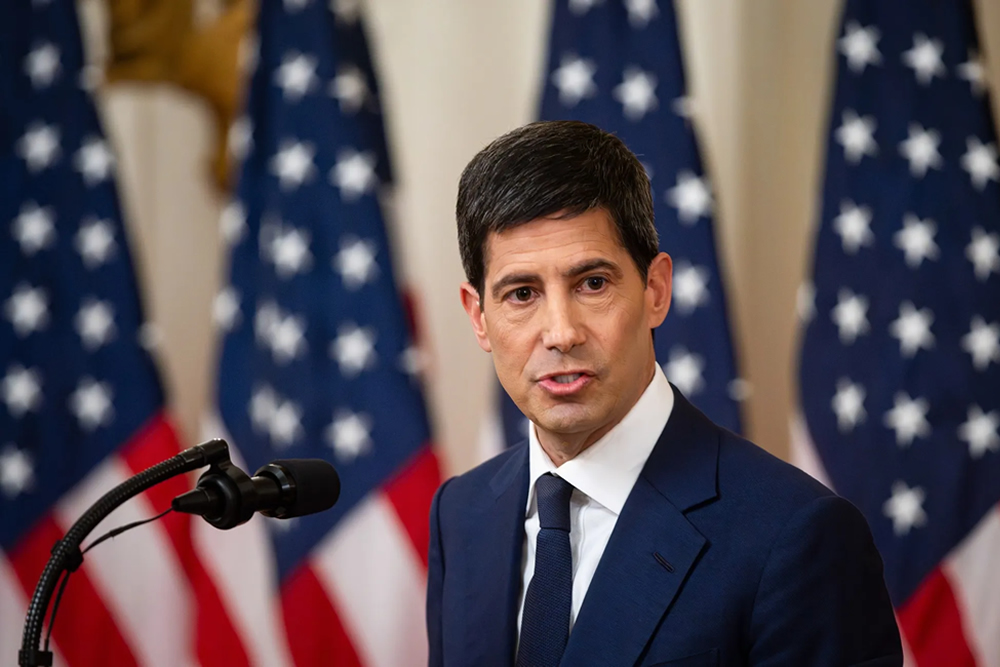
As traders ramp up bets that the Federal Reserve under newly appointed Chair Kevin Walsh will keep interest rates higher for longer, key U.S. Treasury yield spreads have narrowed to their lowest levels in a year, sending a clear warning signal of extended high rates in the bond market.
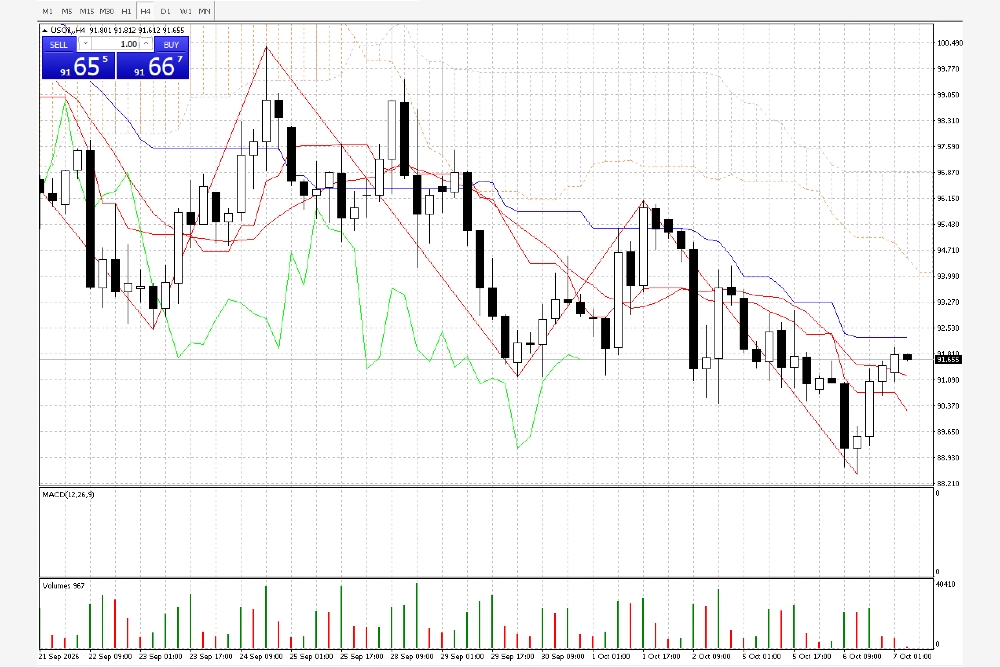
The spread between the five-year and 30-year U.S. Treasury yields, a key metric investors track to gauge the premium for holding long-term bonds, has narrowed to around 81 basis points, hitting its lowest level since May 2025. The contraction is mainly driven by a sell-off in short-term Treasuries, which are highly sensitive to shifts in Federal Reserve policy expectations. Minor policy adjustments can trigger sharp fluctuations in their prices and yields. As of last Friday’s close, the spread between the two-year and 30-year Treasury yields also tightened, falling to its lowest point since July this year.
Inflationary pressures stemming from geopolitical conflicts have emerged as the core driver of the shift in monetary policy expectations. Turmoil in Iran has triggered a sharp surge in inflation, marking the most significant inflation rebound since 2023 and completely reversing the dovish stance of some Fed officials. Investors have increasingly priced in monetary policy tightening by the Fed within the year, contrary to earlier market expectations of rate cuts. Notably, U.S. President Donald Trump, who had repeatedly pressured the Fed to slash interest rates, stated last Friday that he would respect Kevin Walsh’s independent decision-making and support his autonomous leadership of the central bank.
The U.S. Treasury yield curve continues to flatten, deepening market divergence. Traders are debating whether rising inflation risks or looming recession fears will ultimately dominate the outlook for the world’s largest bond market. As U.S. Treasuries serve as the global benchmark for borrowing costs, their yield fluctuations are transmitted across global assets, including Japanese government bonds, European bonds and emerging market debt. This makes the current shift in market trends and policy expectations far-reaching for global financial markets.
The looming shift in monetary policy has been corroborated by senior Fed officials’ remarks. Federal Reserve Governor Christopher Waller, a Trump appointee who previously advocated for interest rate cuts to stabilize the labor market, acknowledged in his latest comments last week that the central bank’s next policy move is now likely to be a rate hike rather than a cut, sending a strong signal of monetary tightening.
Related Posts