21/04/2026

Fueled by news that Iran may join negotiations with the United States, the market is cautiously optimistic about progress in the Middle East situation before the upcoming ceasefire deadline. Boosted by this, global stock markets are expected to rise, while crude oil prices have declined.
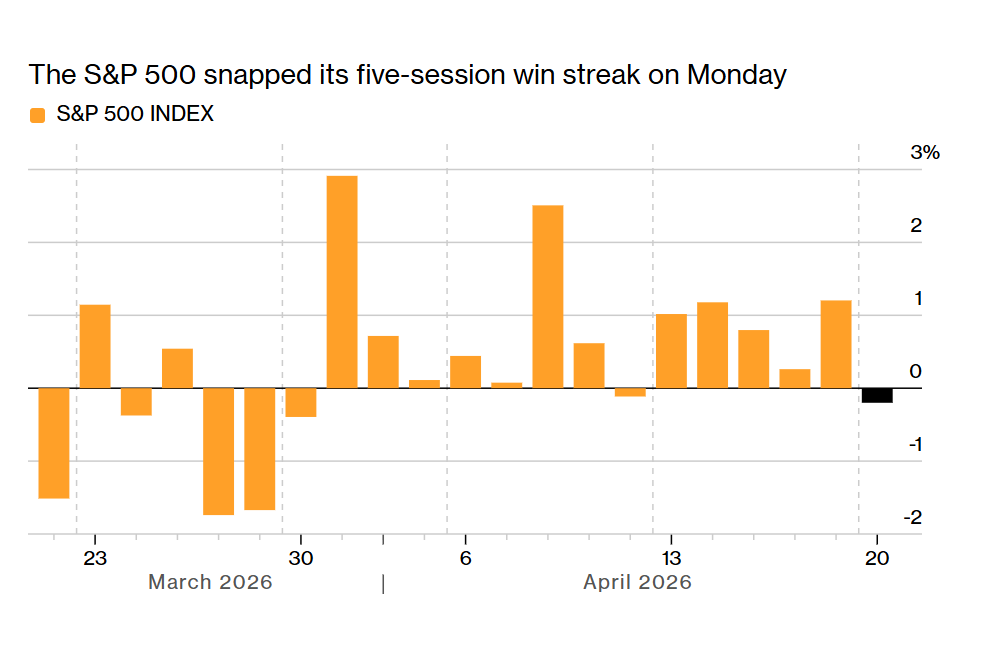
In terms of stock market performance, stock index futures in Japan, Hong Kong and Australia all indicate that the stock market will rise. S&P 500 index futures edged higher in early Tuesday trading, after the index fell 0.24% from a record high on Monday (April 20) due to declines in the share prices of several tech giants (closing at 7,109.14 points that day). Among them, Apple’s stock price fell in after-hours trading after announcing that John Turner would take over as the next CEO, but eventually rose more than 1% in U.S. stock trading on April 20, contrasting with most declining popular tech stocks.
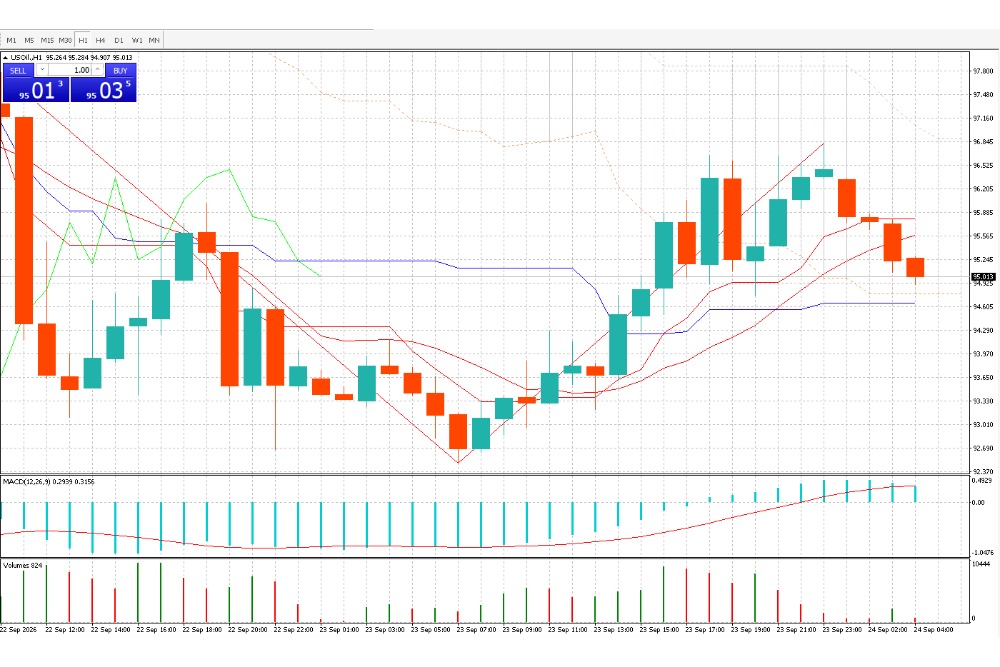
In the crude oil market, in early Tuesday trading, the price of West Texas Intermediate crude oil futures for June delivery fell 2.2% at one point to around $86 per barrel, after rising 5.8% in the previous trading day. U.S. President Trump recently stated that if the U.S. and Iran fail to reach an agreement before the ceasefire expires on Wednesday evening (Washington time), he is unlikely to extend the ceasefire and will not stop the maritime blockade against Iran until an agreement is reached. Separately, people familiar with the matter revealed that Iran is preparing to send a delegation to participate in the next round of talks, but the person declined to be named. It is worth noting that the current navigation situation in the Strait of Hormuz remains worrying. Although the ceasefire has been initiated, the navigation volume is still low, and ship navigation is under strict control. About 3,200 ships are still stranded west of the strait, including about 800 oil tankers and cargo ships.
Currently, the core focus of the market is on whether the U.S. and Iran can restart negotiations in Pakistan to ease regional tensions and promote the reopening of the Strait of Hormuz — the first round of negotiations between the two sides held in Islamabad previously ended without result. Over the past three weeks, the U.S. dollar has continued to weaken. With the market’s rising expectations for the easing of tensions in the Middle East, falling oil prices and optimistic expectations for economic growth, many global stock indexes have gradually recovered the losses previously caused by regional conflicts.
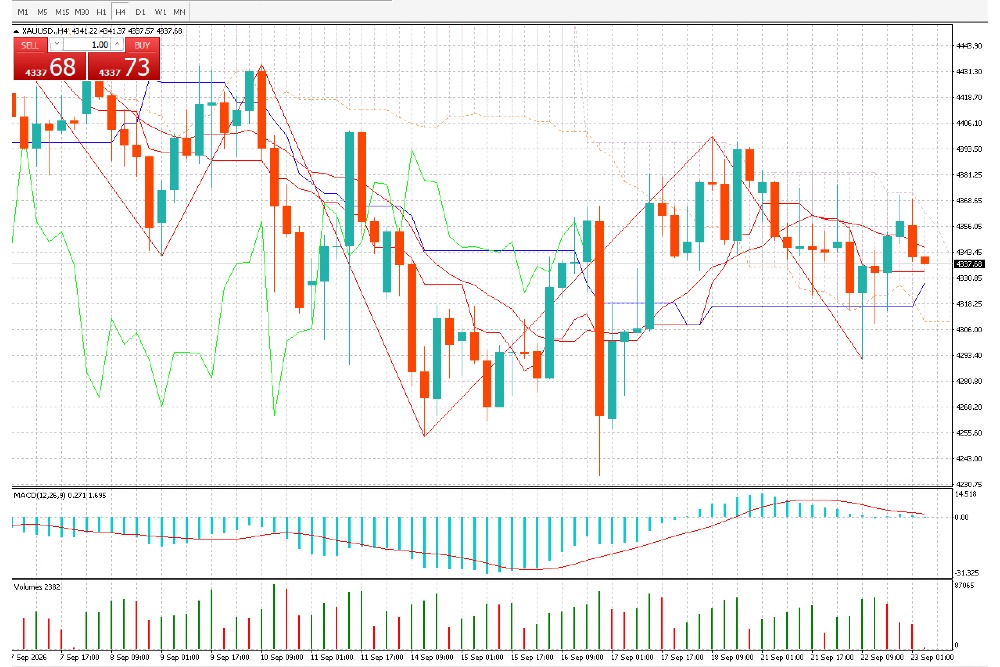
In terms of the performance of other market sectors, the Dollar Index weakened slightly on Tuesday; gold prices remained basically stable around $4,825 per ounce; U.S. Treasury bond prices remained stable during U.S. trading hours. Notably, the Philadelphia Semiconductor Index has continued to rise, closing higher for 14 consecutive trading days, setting the longest winning streak for the index since 2014. Driven by this, Asian chip stocks will become the focus of the market in the follow-up.
Looking back at the recent situation in the Strait of Hormuz, Iran previously strengthened its control over the strait in retaliation for air strikes, leading to a sharp reduction in the number of passing ships. Last Friday, there were signs of relief from this paralyzed situation, with Tehran stating that it would reopen the waterway. However, over the weekend, as the United States continued to implement a maritime blockade and attacked an Iranian ship, Iran’s attitude changed again. Iran emphasized that unauthorized ship navigation will directly face the risk of attack. Currently, the main operators passing through the strait are those with high risk-bearing capacity, and large shipping companies and oil giants have not yet resumed navigation.
In addition to the issue of strait control, the most intractable disagreement between the U.S. and Iran is Iran’s nuclear program. The Trump administration has demanded that Iran abandon its ambition to develop nuclear weapons and hand over its stockpiled enriched uranium; while Tehran has clearly refused to give up uranium enrichment activities, insisting that its nuclear program is entirely for peaceful purposes. It is reported that the U.S. once required Iran to suspend uranium enrichment activities for 20 years and transport about 450 kilograms of highly enriched uranium overseas, while Iran only agreed to suspend it for a maximum of 5 years, insisted on keeping nuclear materials in its own territory, and only proposed a concession plan of “domestic dilution” instead of “overseas transfer”. There is still a big gap between the positions of the two sides.
In addition to the Middle East situation, investors are also paying attention to the relevant developments of Kevin Warsh, the nominee for Federal Reserve Chairman. Warsh is Trump’s nominee for the next Federal Reserve Chairman, his term as a Federal Reserve Governor will end at the end of January 2028, and the term of the current Chairman Powell will expire in May 2025. Warsh is scheduled to testify before the Senate Banking Committee at 10 a.m. on Tuesday. According to his speech obtained by Bloomberg, he emphasized that “avoiding interference is the way to win the independence of monetary policy and make better policy decisions. I am committed to ensuring that the implementation of monetary policy maintains strict independence.” In addition, Warsh also emphasized in his testimony that price stability is the core mission of the Federal Reserve, and opposed the Federal Reserve’s involvement in areas beyond its legal authority such as climate change and social inequality.
In terms of economic data, the most important U.S. March retail sales report this week was released on Tuesday. According to data previously released by the U.S. Department of Commerce, U.S. retail sales rose 1.4% month-on-month in March, the largest month-on-month increase since January 2023, higher than market expectations and the 0.2% increase in February. However, analysts pointed out that if excluding gasoline and auto-related sales, affected by high oil prices, consumers with tight budgets have been forced to cut spending in other areas, and the data may reflect a relatively weak consumer demand. It is reported that auto and parts sales rose 5.3% month-on-month, which was the main factor driving the growth of retail data that month. But some economists predict that as the impact of the Trump administration’s tariff hikes becomes apparent, U.S. retail sales may decline in the next few months.
Related Posts

23/09/2026
23/09/2026