
02/07/2026

Global financial markets have undergone notable shifts recently. A sweeping sell-off in the semiconductor sector has extended to South Korea, weighing on this year’s rally in artificial intelligence-related stocks. Meanwhile, international oil prices have tumbled to levels last seen before the outbreak of the Middle East conflict. Supported by remarks from Federal Reserve officials, U.S. economic data and progress in Middle East geopolitical negotiations, global market sentiment has stabilized and diverged across asset classes.
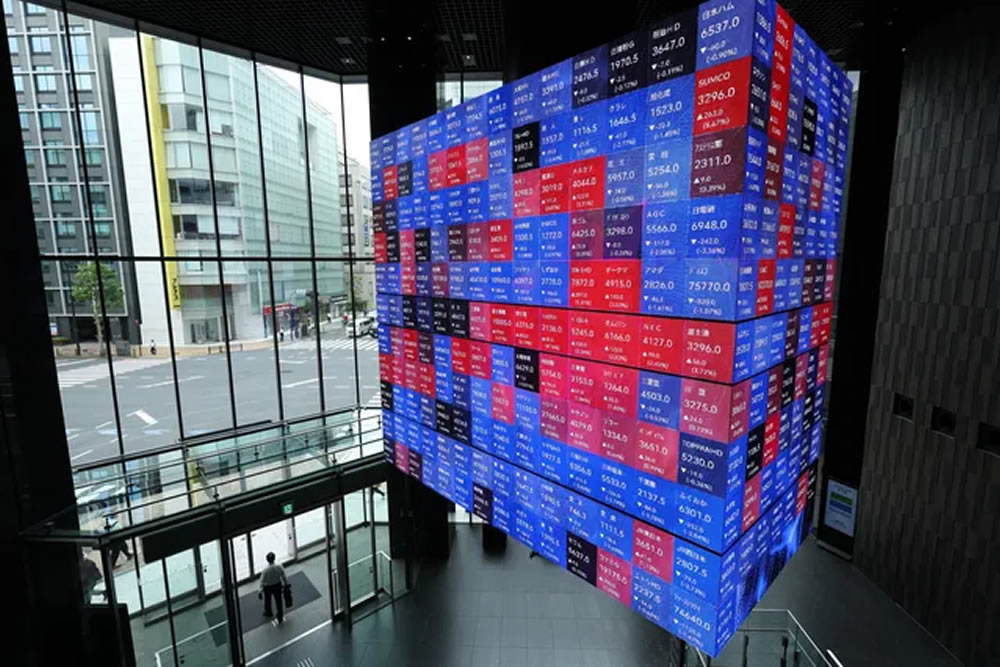
In the tech segment, the spreading semiconductor sell-off has reignited concerns that this year’s surge in AI stocks has been overheated and excessively rapid. The Korea Composite Stock Price Index (KOSPI), home to a large number of AI infrastructure firms, plunged nearly 7% at one point before paring losses. South Korea’s two major chip giants, Samsung Electronics and SK Hynix, both fell around 5%. Japan’s market also faced pressure, with Kioxia Holdings slumping 11%. The stock had surged more than 650% year-to-date, making its pullback particularly sharp. The MSCI Asia Pacific Index edged down 0.3% amid broad tech sector weakness.
Two key catalysts triggered the tech market turbulence. First, Meta Platforms plans to build out its cloud infrastructure business to sell AI computing power and model access rights, sparking widespread concerns over potential AI capacity oversupply that could compress tech valuations. Second, Apple is in talks with two Chinese semiconductor manufacturers for chip purchases. This supply chain adjustment is expected to squeeze market shares of South Korean chip producers, further fuelling the sell-off in Korean tech stocks.
While Asian equities remained under pressure, U.S. stock futures reversed early losses and traded higher, signalling improved market stability. The Nasdaq 100 futures, which track leading technology stocks, rose 0.4%, highlighting the resilience of the U.S. tech sector.
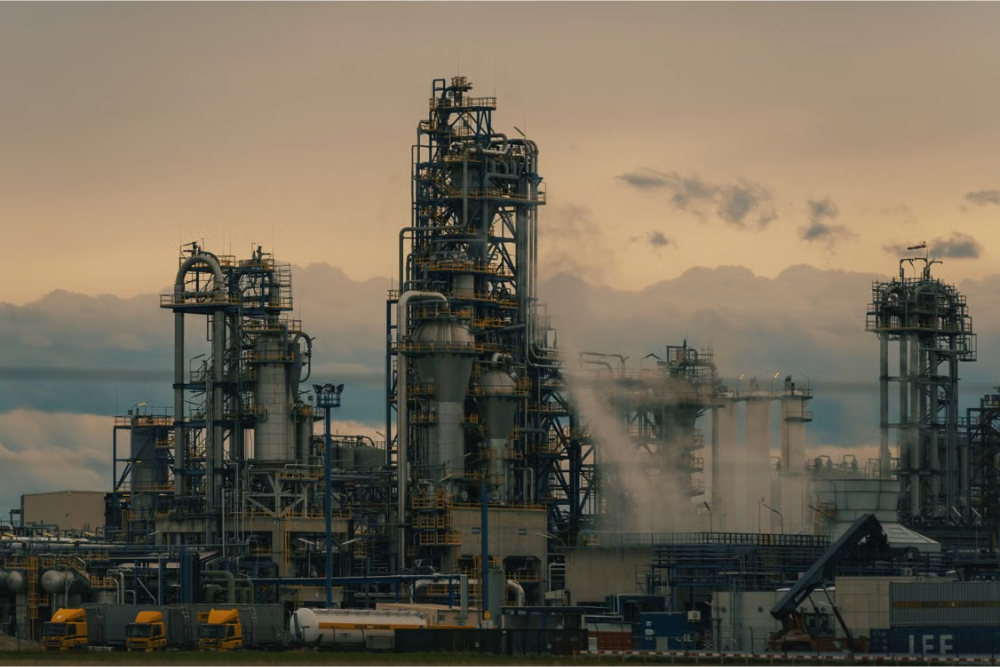
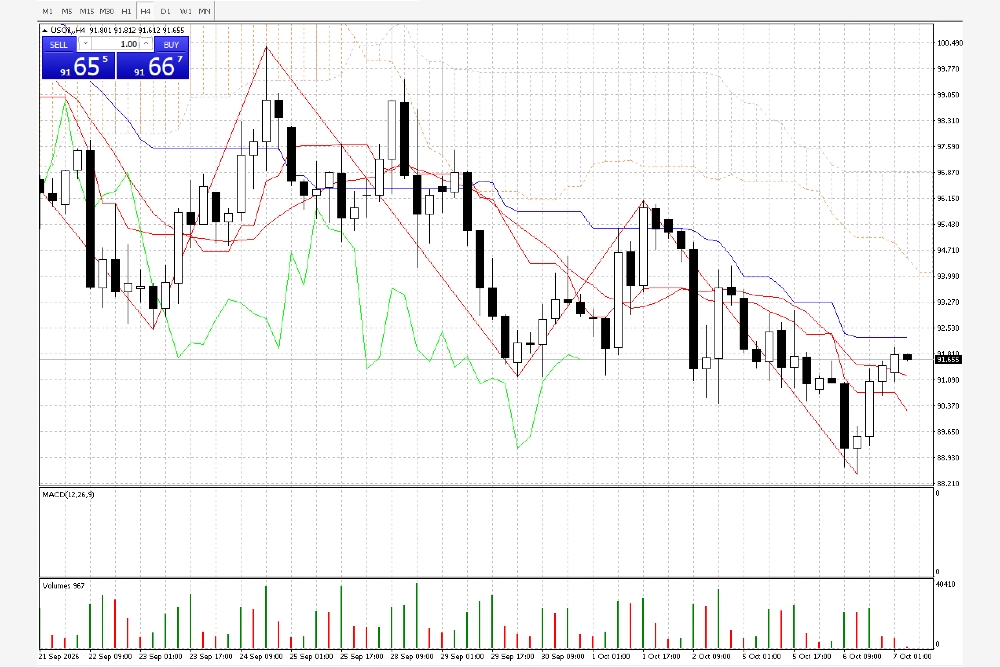
Commodity markets also saw significant movements. Buoyed by increased crude oil flows through the Strait of Hormuz, Brent crude fell 1.3% to $70.67 per barrel, hitting its lowest level since February 27, before the Middle East hostilities began. In contrast, gold prices advanced for a second consecutive trading day, supported by dovish signals from Federal Reserve officials.
Fed Chair Walsh delivered accommodative remarks at the annual ECB Forum in Sintra, Portugal. He noted that inflation risks have eased in recent weeks and inflation expectations have moderated over the past month, reaffirming the Fed’s commitment to the 2% inflation target and price stability. His comments significantly scaled back market expectations for a July rate hike and calmed investor concerns. Markets are now firmly focused on Thursday’s U.S. jobs report for fresh cues on the Fed’s monetary policy path.
On the economic front, the U.S. economy continues to demonstrate strong resilience. U.S. manufacturing activity expanded for the sixth consecutive month in June, as cost pressures stemming from earlier geopolitical tensions continued to ease. By sector, printing, electrical equipment and textiles outperformed, while paper products, furniture and wood products posted contractions.
Geopolitically, positive progress has been made in Middle East peace talks. U.S. negotiators held constructive discussions in Qatar, and technical talks with Iran achieved breakthroughs. Both sides are seeking to convert a temporary truce into a permanent peace agreement. Iran has set up a special working group to review the implementation of current agreements and negotiate a final settlement, easing regional tensions and further driving the decline in crude oil prices.
[Disclaimer] Forex trading involves risk; please invest with caution. This content is for informational purposes and objective analysis only, and does not constitute any investment advice, basis for buying/selling, or guarantee of returns. Investors should make independent decisions based on their own financial situation and risk tolerance, and bear their own investment risks.
Related Posts