
01/07/2026

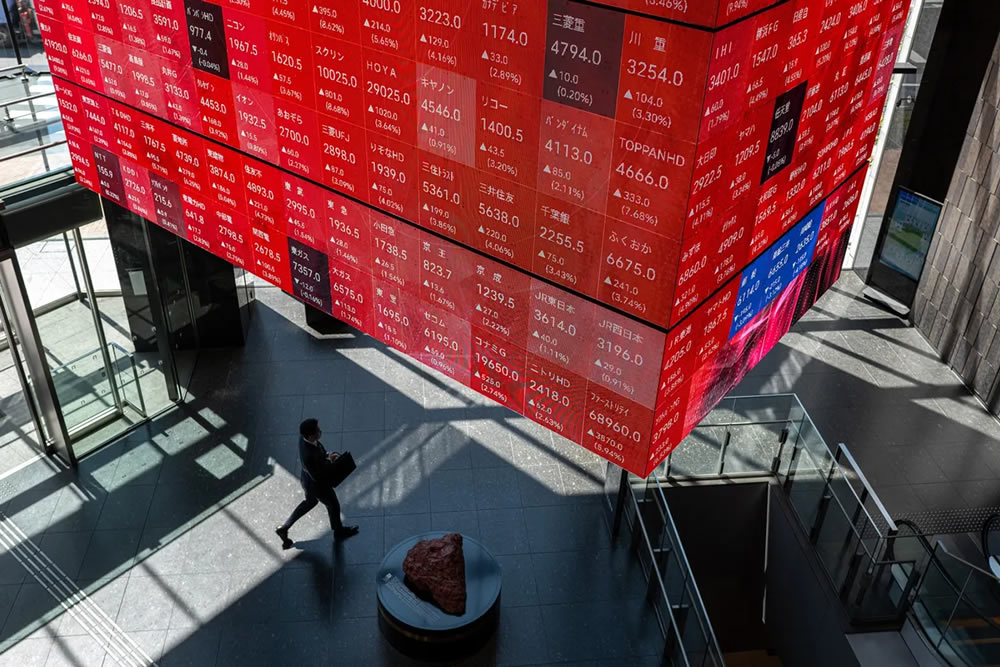
Asian stock markets edged lower after two consecutive days of gains. Previously, rallies led by chipmakers and other technology stocks pushed regional equities to their best quarterly performance in 17 years, yet investors turned cautious following the run-up, sending the overall market into a consolidation phase.
1. Divergent Trends Across Asian Markets
The MSCI Asia Regional Equity Index fell 0.3%, ending its two-day winning streak. Market performances varied sharply across the region: equity markets in Japan and Taiwan advanced, while South Korea’s benchmark index tumbled 1.8%. Hong Kong’s market was closed for a public holiday.
2. Fluctuations in Commodities, US Dollar and Gold
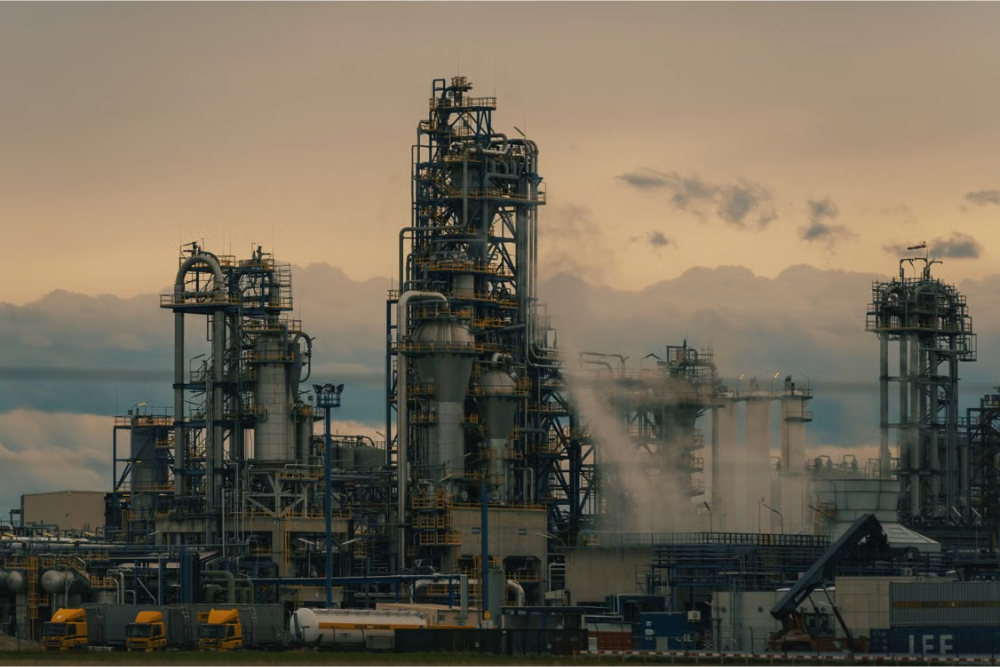
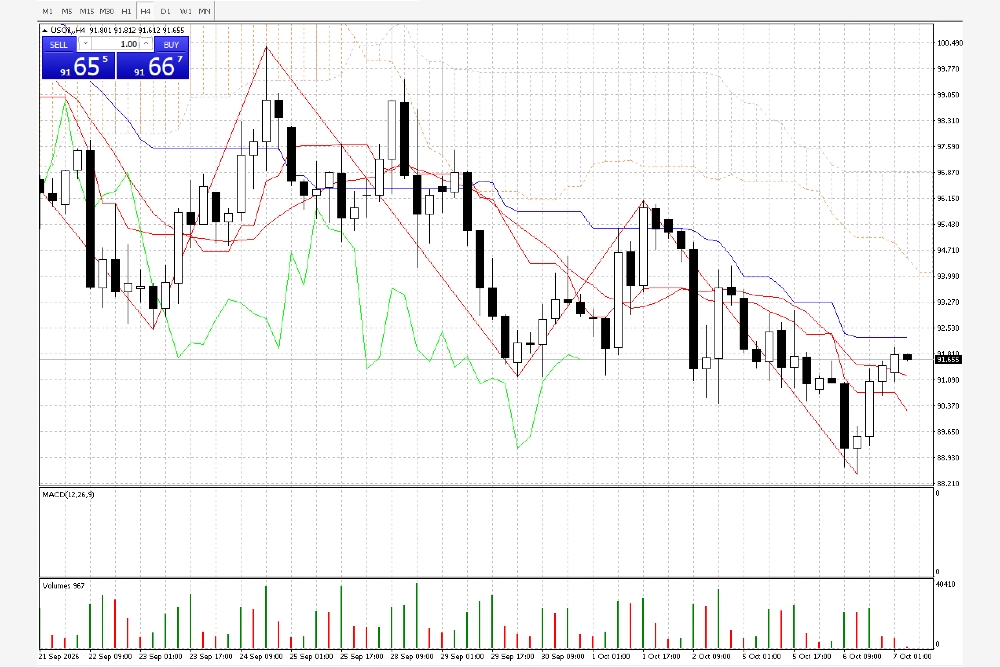
Commodities traded mixed. Brent crude rose 0.4% to $73.20 per barrel, reversing its decline on Tuesday. The US dollar strengthened for the second straight day, despite positive updates from the US regarding ongoing nuclear deal negotiations with Iran in Doha. Gold dipped 0.8% to around $3,980 per ounce amid the stronger greenback.
US Treasury bonds also saw modest gains, with the yield on the benchmark 10-year Treasury note falling 1 basis point to 4.46%.
3. Yen Holds Steady Near Multi-Decade Lows, Intervention Watched Closely
The Japanese yen traded steadily around 162.65 against the US dollar. The currency had slumped to a 40-year low earlier this week and broke below the key 162 level on Tuesday.
Traders are closely monitoring Japan’s potential currency intervention thresholds. Strategists expect the yen could slide further to 163 or lower, noting that Japan’s Ministry of Finance may tolerate a weaker yen compared with its stance in 2024.
4. US Market Drivers and Upcoming Key Catalysts
The earlier rally in global equities was fueled by robust capital inflows into the artificial intelligence sector, with investors largely shrugging off geopolitical tensions. Meanwhile, latest economic data continued to underscore the resilience of the US economy, underpinning market sentiment.
US economic data released on Tuesday painted a solid picture: job openings were little changed in May, pointing to sustained strong labor demand. Additionally, consumer confidence edged up in June thanks to lower gasoline prices, offsetting market concerns over the job market outlook.
Nevertheless, solid employment figures and persistent inflation have fueled market expectations that the Federal Reserve may raise interest rates later this year to curb inflationary pressures. Fed policymakers voted unanimously to hold interest rates steady at their meeting last month, marking the first policy meeting chaired by Fed Chair Kevin Walsh. The Fed’s next policy meeting is scheduled for late July.
Markets face critical tests in the near term. Fed Chair Walsh is set to deliver a speech in Europe later on Wednesday, which will offer fresh policy cues. The US June nonfarm payroll report, due for release on Thursday, will be a key indicator for gauging the Fed’s interest rate path. US corporate earnings reports will also roll out throughout the month, further driving market movements.
5. US-Iran Negotiations and Geopolitical Headwinds
On the geopolitical front, US negotiators Jared Kushner and Steve Witkoff held constructive talks with regional leaders in Qatar, and technical discussions between the US and Iran are making steady progress.
A provisional deal signed earlier this month initiated a 60-day negotiation window. However, a series of recent clashes in the Strait of Hormuz have set back the diplomatic efforts, creating headwinds for the ongoing negotiations.
[Disclaimer] Forex trading involves risk; please invest with caution. This content is for informational purposes and objective analysis only, and does not constitute any investment advice, basis for buying/selling, or guarantee of returns. Investors should make independent decisions based on their own financial situation and risk tolerance, and bear their own investment risks.
Related Posts