29/06/2026

1. US-Iran De-escalation Lifts US Index Futures and Asia-Pacific Equities
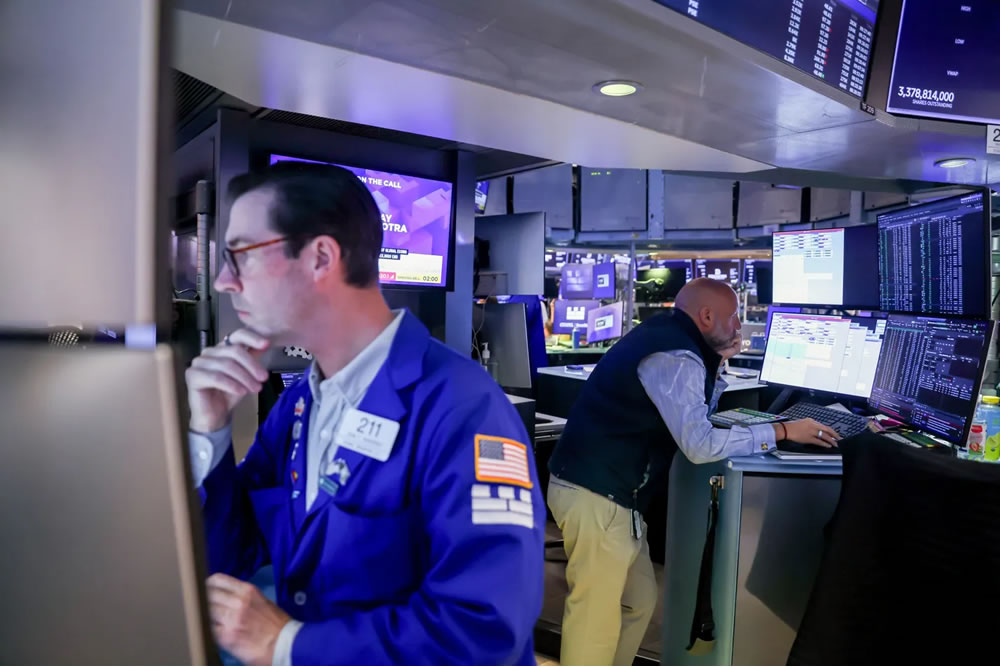
The United States and Iran have ruled out further conflict escalation, easing market concerns over a fragile ceasefire and boosting risk sentiment across global financial markets, driving U.S. stock index futures higher.
S&P 500 futures rose 0.5% and Nasdaq 100 futures gained 0.6%, retreating from an intraday peak of 1%. Citing an unnamed U.S. official, Axios reported that the U.S. and Iran have agreed to suspend airstrikes and will hold talks in Qatar this week. The two sides will negotiate issues including the security of the Strait of Hormuz to seek a de-escalation of regional tensions.
Asia-Pacific stocks also staged a rebound. The MSCI Asia Pacific Benchmark Index erased early losses to edge up 0.1%. Six out of its 11 industry sectors closed higher. Investors rotated out of technology stocks into defensive sectors including healthcare and consumer staples.
2. Crude Oil Gains Narrow; Commodities, Treasury Yields and USD Stabilize
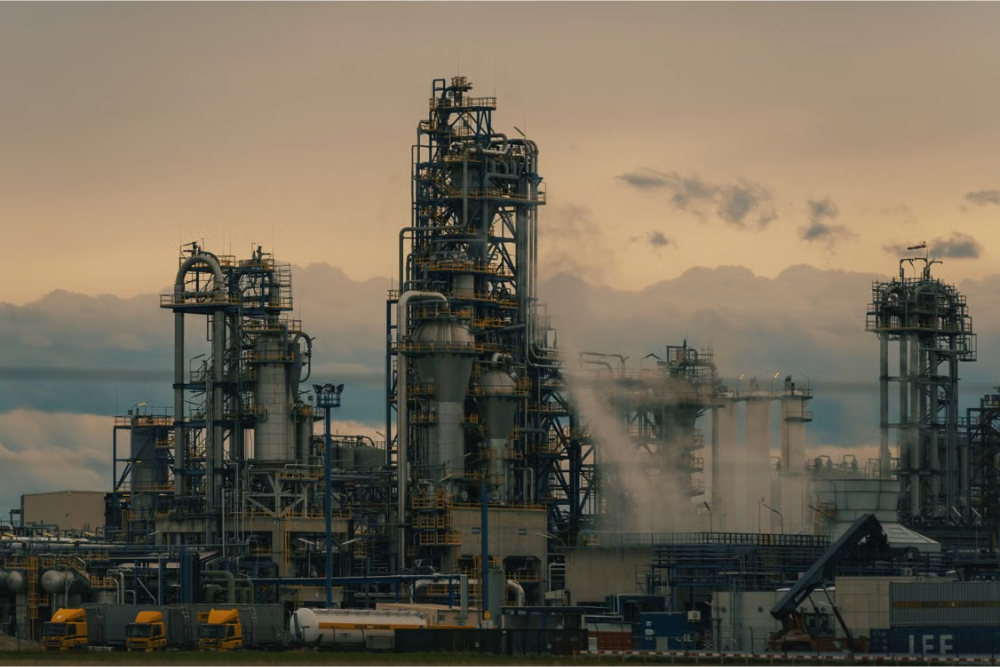
Oil prices pared intraday gains amid easing Middle East tensions. Brent crude settled 0.7% higher at $72.50 per barrel, down from its session high. Prior to the truce signal, Middle East tensions had intensified sharply. Iran targeted container ships, Qatar-bound oil tankers, and U.S. military bases in Kuwait and Bahrain, triggering multiple retaliatory airstrikes by the U.S. and pushing up crude prices.
Other asset classes saw muted moves. The U.S. Dollar Index traded flat against major currencies. Spot gold fell 0.7% to $4,060 per ounce. U.S. Treasury bonds weakened slightly, with the benchmark 10-year Treasury yield rising 2 basis points to 4.38%.
3. South Korea Set for Major Investment and Policy Catalysts
South Korea stands out as the key market focus in Asia for the week. Samsung Electronics and SK Group are set to announce large-scale investment plans, alongside a new round of supportive economic policies from the South Korean government. According to the Korea Economic Daily, the two conglomerates are expected to invest more than $1.3 trillion in total over the next decade, which will strongly bolster the country’s economic growth momentum.
The KOSPI, one of the best-performing major global indices this year, dipped nearly 1% ahead of the official policy release, as investors awaited further details of the investment layouts and growth strategies.
4. Global Equities Eye Best Quarterly Performance Since 2020, With Hidden Risks Remaining
Buoyed by easing U.S.-Iran tensions and improving sentiment toward tech trade, global stocks are on track for their strongest quarterly showing since 2020. Historically, a strong first-half market performance usually bodes well for the second half. Nevertheless, investors still face substantial uncertainties.
Key market risks include the sustainability of AI-driven growth, persistent upward pressure on interest rates, expanding government spending, and the risk of an abrupt economic pullback. In its annual report released on Sunday, the Bank for International Settlements (BIS) warned that inflationary pressures and fiscal strains are major threats to the current global expansion, and AI-fueled growth momentum could face a sharp correction.
The Basel-based institution pointed out that the global economy remains in a complex state of coexisting opportunities and crises. Economic resilience is being increasingly tested, while latent financial vulnerabilities could amplify external market shocks.
5. Weekly Market Focus: Central Bank Forum and U.S. Employment Data
Traders are focusing on two critical events in the week ahead: the annual central bank forum in Sintra, Portugal, where Federal Reserve officials will deliver key remarks that will guide market expectations for monetary policy; and a slate of U.S. employment data, especially the nonfarm payroll report, which will serve as a core reference for Fed policy adjustments.
Market consensus expects the U.S. economy to remain resilient, with lingering inflation pressures likely prompting the Federal Reserve to raise interest rates as early as September. Analysts at the Commonwealth Bank of Australia noted that even if Fed officials soften their hawkish rhetoric at the Sintra meeting, the U.S. dollar is likely to trend higher in the coming weeks. The “U.S. exceptionalism” narrative will continue to support the greenback, as a robust and strengthening labor market underpins higher U.S. interest rates and dollar valuations.
[Disclaimer] Forex trading involves risk; please invest with caution. This content is for informational purposes and objective analysis only, and does not constitute any investment advice, basis for buying/selling, or guarantee of returns. Investors should make independent decisions based on their own financial situation and risk tolerance, and bear their own investment risks.
Related Posts