
24/06/2026

Asian markets staged a cautious recovery after a tech-led global selloff on Tuesday, which renewed concerns that the AI-driven stock market rally may have run too far and too fast.
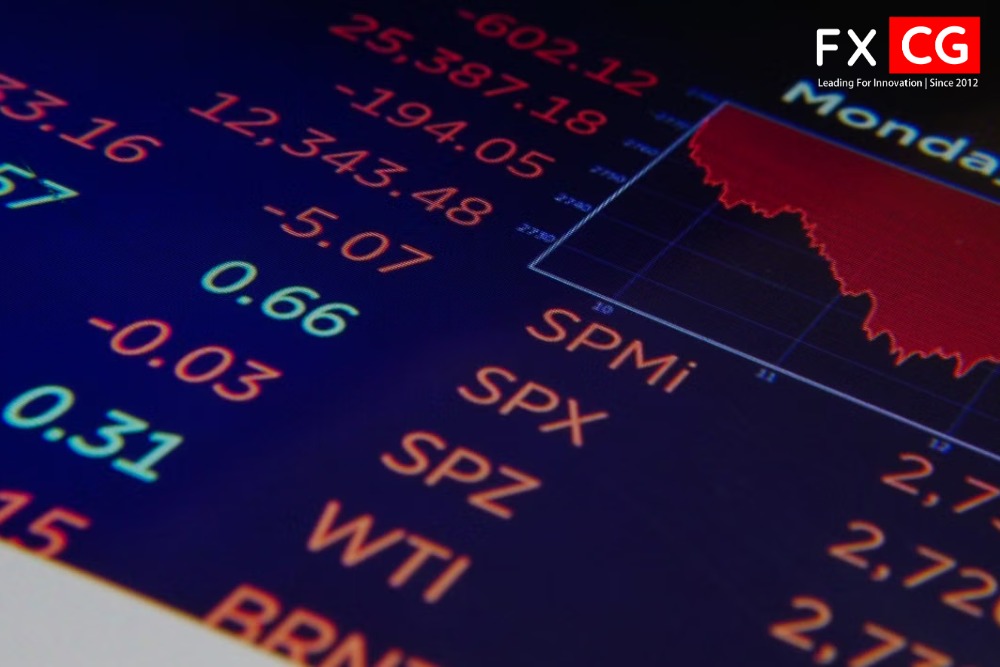
The MSCI Asia Pacific Index rose nearly 1% in early trading, following a 3.6% plunge on Tuesday — its steepest single-day drop since early March. South Korea’s chip-heavy KOSPI rebounded around 4% after tumbling 10% in the previous session. Samsung Electronics surged 10%, almost erasing all of its Tuesday losses, on reports that the company may announce a share buyback program. U.S. stock futures also edged higher, after the Nasdaq 100 fell 3.3% and the S&P 500 dropped 1.4% overnight.
Amid heightened market volatility, investors are turning their attention to Micron Technology’s earnings report due on Wednesday. The results are expected to offer critical clues on whether demand for AI infrastructure remains robust enough to sustain this year’s market rally.
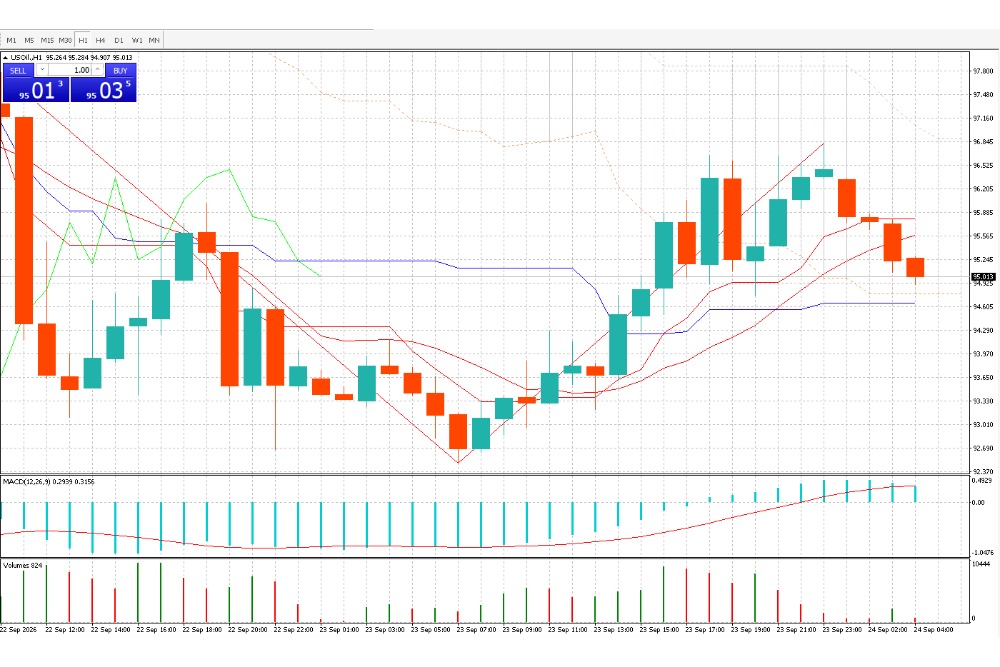
In commodity and currency markets, minor moves were seen across the board. Brent crude dipped below $77 a barrel on improved supply prospects, as increased tanker traffic through the Strait of Hormuz followed a temporary peace agreement between the U.S. and Iran. The Bloomberg Dollar Spot Index steadied after rising for two consecutive trading days.
The Tuesday selloff interrupted a strong rally across Asian equities in the first half of 2026, fueled by easing geopolitical tensions, solid corporate earnings and a recovery in AI-related trade. However, growing doubts over whether massive capital spending by tech firms can deliver sufficient returns, combined with stretched valuations and crowded market positions, have triggered periodic sharp pullbacks in the tech sector.
For South Korea’s KOSPI, Tuesday’s slump ranked among its most dramatic single-day drops in history. The plunge stemmed from a sudden collapse in global confidence in the AI growth narrative, which prompted rapid unwinding of leveraged positions in one of the world’s best-performing equity markets.
Indonesian assets have also come into market focus. MSCI has once again postponed its review of Indonesia’s market classification, stating that it requires more time to assess the effectiveness of the country’s newly introduced transparency reforms. The index provider warned in January that Indonesia could be downgraded to frontier market status due to concerns over investment accessibility.
Fixed-income markets saw notable movements as well. Tuesday’s equity selloff and falling oil prices eased expectations for aggressive Federal Reserve rate hikes to curb inflation, pushing U.S. Treasury prices higher and yields lower. Treasury yields across maturities fell 1 to 3 basis points, with short-dated bonds — the most sensitive to Fed policy shifts — leading the decline. The two-year U.S. Treasury yield dropped roughly 3 basis points to around 4.20%.
A week after Federal Reserve Chair Kevin Walsh held his inaugural press conference, strong demand for two-year Treasury auctions drove a sharp rise in yields, as traders priced in further monetary tightening to combat rising inflation. Currently, market participants are looking ahead to this week’s personal spending data for fresh cues on the Fed’s policy trajectory.
[Disclaimer] Forex trading involves risk; please invest with caution. This content is for informational purposes and objective analysis only, and does not constitute any investment advice, basis for buying/selling, or guarantee of returns. Investors should make independent decisions based on their own financial situation and risk tolerance, and bear their own investment risks.
Related Posts

23/09/2026
23/09/2026