
19/05/2026

US long-term Treasury yields have been soaring recently, putting a severe test on the decision-making resolve of global bond investors: on the one hand, interest rates at their highest level in decades are quite attractive, making investors reluctant to miss the opportunity to lock in high yields; on the other hand, the potential risk of a larger sell-off in the market makes them hesitant and afraid to enter easily.
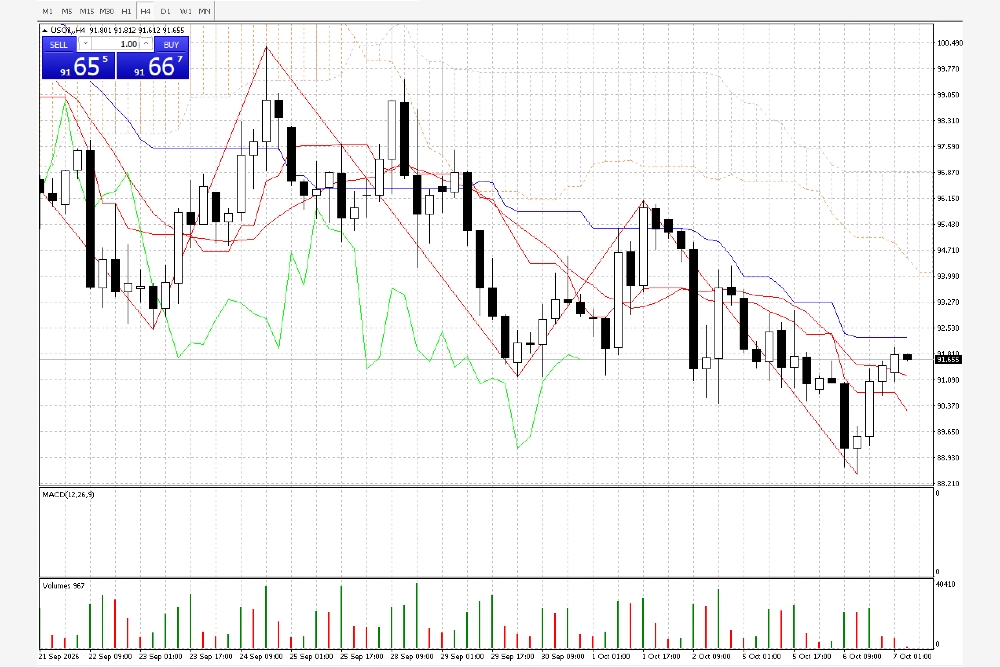
Currently, the 30-year US Treasury yield hovers around 5.13%, just one step away from its highest level since 2007 (the intraday high reached 5.16% on May 18, a new stage high). Faced with this situation, major Wall Street institutions have put forward sharply different views, highlighting profound divisions in the market. A relevant team at Goldman Sachs believes that the current yield level already contains new value signals, but still repeatedly urges investors to remain cautious and not follow the trend blindly; strategists at Barclays issued a warning to clients that yields may climb further to 5.5% (the original “fall below” was an expression error, corrected based on market trends and institutional views), a new high since 2004; the head of BlackRock’s research department gave a more aggressive suggestion, advocating that investors reduce their allocation to developed market government bonds (including US Treasuries) and instead increase their holdings of stocks.
Behind these divisions is the market’s attempt to price two distinctly different economic outlooks: first, the US economy has shown strong resilience, which may lead to sustained upward inflationary pressures; second, the rise in energy prices triggered by the Iran war may drag down economic growth. This complex market environment has also put enormous pressure on Kevin Warsh, the incoming Federal Reserve Chairman (whose nomination is still subject to relevant Senate investigations), and US Treasury Secretary Scott Bessent, who has pledged to reduce borrowing costs.
In recent weeks, global bond yields have surged collectively, driven mainly by three core factors: first, the Iran war has led to a sharp rise in energy prices, further exacerbating global inflationary pressures and forcing the Federal Reserve and other major central banks to reconsider the possibility of interest rate hikes, rather than the interest rate cuts previously expected by the market; second, the US fiscal deficit problem has become increasingly severe. As of May 12, the total US federal debt is close to $39 trillion, and the fiscal deficit for the 2026 fiscal year is expected to reach $1.9 trillion, accounting for 5.8% of GDP, and market concerns about debt sustainability continue to rise; third, as the world’s largest economy, the US economy remains resilient, so investors are demanding higher long-term bond returns to compensate for potential risks.
The direction of the Middle East conflict has become a key variable affecting short-term fluctuations in the bond market, and traders are closely monitoring its progress, hoping that the resolution of the conflict will bring a sustained upward opportunity for the bond market. Monday’s market fluctuations fully reflected this: during the Asian trading session, long-term Treasury prices fell sharply at one point, and yields climbed to their highest level since 2023; subsequently, the market spread news that Iran and the United States had made a breakthrough in negotiations on the Strait of Hormuz and were expected to resume global energy circulation, and bond prices rebounded in response—however, subsequent reports quickly shattered this optimistic expectation, and the downward trend of prices came to an abrupt halt.
Near the end of the New York trading session, US President Trump announced the cancellation of the attack on Iran originally scheduled for Tuesday, stating that the two sides are conducting “serious negotiations.” This statement boosted confidence in the fixed-income market again, but overall market fluctuations remained limited. Investors generally worry that against the backdrop of multiple rounds of US-Iran talks failing to reach a sustainable conflict resolution, this round of negotiations may be another “false dawn.” As of Tuesday, the 30-year US Treasury yield stood at 5.14%, maintaining a high-level operation trend.
Market participants generally worry that if yields continue to climb slowly, long-term interest rates may lose support as the market adjusts to a new trading range. Previously, some traders believed that the 10-year Treasury yield reaching 4.5% and the 30-year reaching 5% would attract a large number of investors seeking to lock in high yields to enter the market, forming support; but the recent sell-off has easily broken through these two key ranges, and the support logic has failed.
Ajay Rajadhyaksha, Chairman of Global Research at Barclays, clearly stated: “Yields may be at their annual highs, but that in itself is not a reason to support long-term bonds.” Barclays has always insisted on being bearish on long-term US Treasuries and advised clients to stay away from this area. He further analyzed that the core factors driving the Treasury sell-off—deteriorating fiscal conditions, increased defense spending, persistently high inflation, and paralyzed central bank policies—cannot be resolved within the next week, and selling pressure may continue.
This dilemma of being in a bind exactly confirms what Goldman Sachs strategists call the “difficult introduction of value investing.” Although from a number of indicators, long-term US Treasuries have begun to show certain investment attractiveness, most institutions believe that before the market situation improves, it is likely to deteriorate further, and investors still need to remain highly vigilant.
[Disclaimer] Forex trading involves risk; please invest with caution. This content is for informational purposes and objective analysis only, and does not constitute any investment advice, basis for buying/selling, or guarantee of returns. Investors should make independent decisions based on their own financial situation and risk tolerance, and bear their own investment risks.
Related Posts