13/05/2026

Currently, the global financial market is showing a clear adjustment trend. The record-breaking rally of chip stocks has gradually faded, Asian stock markets have fallen for two consecutive trading days, and global bond prices have generally declined. This fluctuation is mainly affected by high U.S. inflation, and market expectations that the Federal Reserve may raise interest rates next year have continued to heat up, further suppressing market sentiment.
In terms of stock markets, the MSCI Asia Pacific Index fell 0.5%, among which the South Korean stock market performed the weakest — as a weather vane for the artificial intelligence and semiconductor industries, the South Korean stock market plummeted 2.8% on the day. Samsung Electronics’ stock price once fell 3.9%, mainly due to the breakdown of negotiations between the company and the union, triggering market concerns about the risk of a strike. Previously, there had been positive progress in labor negotiations for Samsung Electronics’ memory division, but there were still differences between the two sides on issues such as bonus distribution, and the union even planned to launch a strike. This uncertainty directly dragged down the stock price performance.
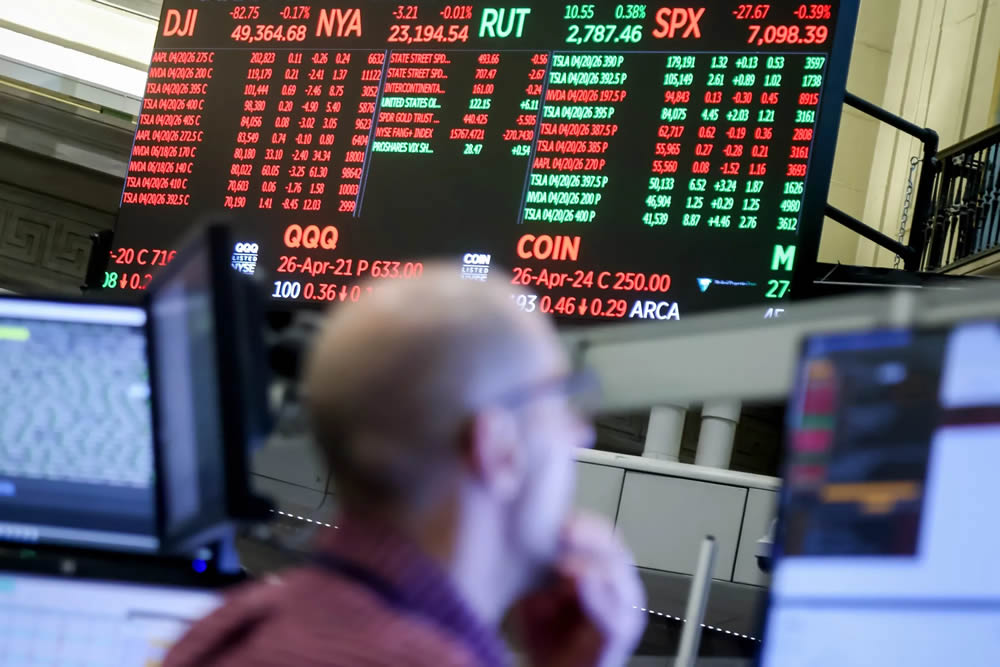
In terms of U.S. stocks, the benchmark Wall Street stock indexes fell on Tuesday, and U.S. stock index futures followed suit, with the chipmaker index dropping 3%; the Asian semiconductor index also fell for the second consecutive trading day. Earlier, the rise in semiconductor stocks and the strong earnings performance of large technology companies had driven a strong rebound in global stock markets from the war lows. However, the recent surge in chipmakers’ stock prices has aroused market vigilance, with many voices calling for a pause in the rally. The market is worried that their valuations have risen excessively and too quickly based on expectations that huge investments in the artificial intelligence field will be converted into profits.
The bond market is also under pressure. The U.S. core Consumer Price Index (CPI) rose faster than expected, directly pushing the 2-year U.S. Treasury yield to nearly 4% and the 30-year U.S. Treasury yield to 5.03%. Affected by this, the prices of Japanese and Australian government bonds also fell simultaneously.
In terms of inflation, U.S. inflation accelerated in April. Driven by rising gasoline and grocery prices, the Consumer Price Index (CPI) rose 3.8% year-on-year, the largest increase since 2023; the core CPI excluding food and energy prices rose 2.8%, also higher than expected. It is worth noting that this inflation increase has exceeded wage growth, further increasing the burden on consumers who are already facing financial pressure, and also exacerbating market concerns about persistent high inflation. Analysts believe that the higher-than-expected core inflation data may push the Federal Reserve to release a “hawkish” signal, further consolidating expectations that it will keep interest rates unchanged this year.
In terms of commodities, due to little progress in the negotiations on the U.S.-Iran peace agreement and the continued closure of the Strait of Hormuz, the price of Brent crude oil fell 1% after three consecutive days of gains, closing at around $106.60 per barrel, which eased market risk aversion to a certain extent. As the preferred safe-haven asset during the Middle East conflict, the U.S. dollar maintained the gains of the previous two trading days and performed relatively strongly. However, high oil prices, combined with inflation risks, continue to threaten the momentum of the stock market’s rebound from the war lows.
[Disclaimer] Forex trading involves risk; please invest with caution. This content is for informational purposes and objective analysis only, and does not constitute any investment advice, basis for buying/selling, or guarantee of returns. Investors should make independent decisions based on their own financial situation and risk tolerance, and bear their own investment risks.
Related Posts