
13/08/2026

Global financial markets presented a mixed pattern with rising equities, falling crude oil prices, divergent currency movements, and structural volatility in the U.S. Treasury market. Driven by softer U.S. inflation data and diminished market expectations for Federal Reserve rate hikes, Asian stocks staged a solid rebound led by technology and semiconductor sectors. Brent crude halted its six-day winning streak, while the Japanese yen continued to fluctuate at key low levels. The U.S. bond market showed clear divergence between short-term and long-term yields, with overall market sentiment improving moderately amid lingering structural caution.
1. Asian Equities Rally, South Korean Market Enters Technical Bull Market
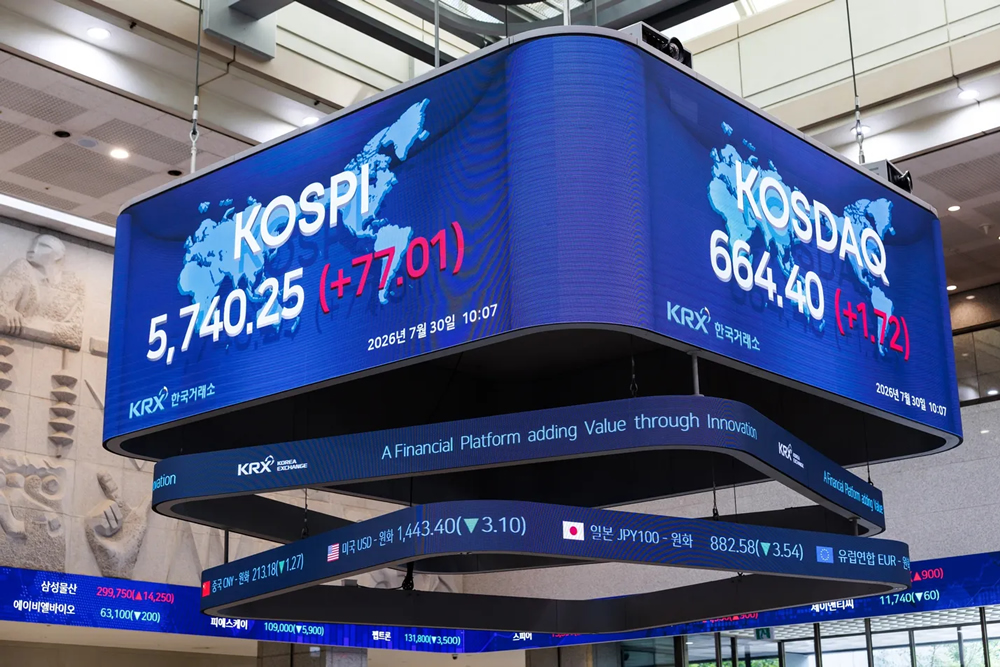
Supported by cooling Fed tightening expectations amid subdued U.S. inflation readings, Asia-Pacific equity markets trended higher across the board. The MSCI Asia Pacific Index rose 1%, anchored by leading South Korean chipmakers Samsung Electronics and SK Hynix, which served as the primary drivers of the regional benchmark’s gain.
South Korea’s KOSPI index outperformed notably, surging 3.8% to enter a technical bull market. The rebound was fueled by a recovery in artificial intelligence trading sentiment, which fully reversed the selling pressure and sluggish momentum seen in the previous month, lifting technology stocks across the region.
Nevertheless, market sentiment remained cautious overall due to negative earnings catalysts from individual stocks. Cisco Systems Inc. posted disappointing financial results, triggering a 4.1% drop in its after-hours share price. Meanwhile, Cerebras Systems Inc. saw a sharp 17% plunge in its stock price following a decline in hardware segment sales. The divergent performance highlights uneven momentum within the tech sector and persistent market scrutiny of corporate fundamentals.
2. Commodities: Crude Oil Ends Winning Streak; Gold Rises Then Trims Gains
Crude oil prices retreated after a prolonged rally, with Brent crude falling 1.2% to settle at $88 per barrel, ending six consecutive days of gains. The bullish impetus from geopolitical tensions faded, while shifting macro rate expectations triggered a short-term corrective pullback in oil prices.
Gold traded with a mild upward bias, climbing 0.9% at one point to near the $4,450 per ounce level before paring most of its gains. Cooling Fed rate hike expectations provided fundamental support for bullion, though steady U.S. Dollar index movements capped further upside, resulting in muted overall volatility.
3. U.S. Treasury Market Sees Structural Divergence; Rate Hike Bets Recede
Soft U.S. inflation data reshaped market pricing for Fed monetary policy. Short-dated U.S. Treasury prices advanced, pulling yields lower, with the 2-year Treasury yield down 2 basis points to 4.18%. Market sentiment shifted notably, with money markets pricing the probability of a September Fed rate hike at less than 50%.
On the data front, U.S. July CPI rose 0.2% month-on-month, in line with economist consensus forecasts. Core underlying inflation gauges recorded their slowest growth since March 2021. Combined with earlier signs of a cooling U.S. labor market, fading Fed tightening concerns have underpinned a broad recovery in global risk assets.
Notably, the U.S. Treasury market exhibited prominent term structure divergence. While short-term yields declined on dovish policy expectations, long-term yields remained elevated due to persistent market concerns over sticky long-term inflation and widening U.S. fiscal deficits. The upcoming 30-year U.S. Treasury bond auction is set to price at the highest financing rate in 25 years. Additionally, the $42 billion 10-year Treasury auction recently concluded delivered the highest yield since 2007, reflecting significant pressure on long-dated bonds.
4. FX Market: U.S. Dollar Stabilizes, Japanese Yen Stuck in Low Range
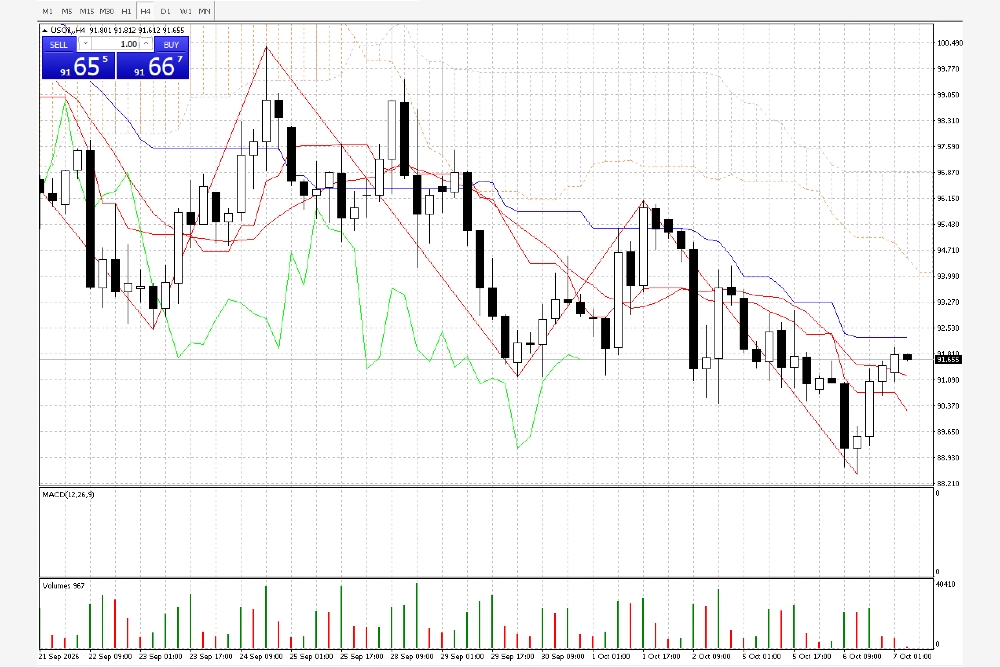
The U.S. Dollar maintained steady performance, with market focus firmly centered on the Japanese yen. USD/JPY hovered around the key 160 psychological level, as investors closely monitored potential official foreign exchange intervention by Japanese authorities.
The JPY traded broadly flat at 159.31 against the greenback, following a 0.1% decline in the previous session. The yen has depreciated by more than 1% in August, largely erasing the effects of early-month intervention efforts by Japanese and U.S. authorities to prop up the currency, indicating lingering downward pressure on the yen.
5. Institutional Insights & Market Outlook
Gary Schlossberg, Global Strategist at Wells Fargo Investment Institute, noted that soft U.S. CPI data and weaker-than-expected employment reports are likely to prompt hawkish Fed officials to hold rates steady at the September policy meeting.
That said, market uncertainties remain prevalent. Persistent Middle East geopolitical conflicts continue to trigger oil price volatility, while resilient U.S. economic fundamentals and the ongoing AI boom sustain core inflationary pressures, complicating the disinflation trajectory. Although global markets have improved in the short term, lingering inflation risks, geopolitical instability, and long-term U.S. Treasury pressure will continue to constrain market momentum. Investors will closely track upcoming U.S. economic data and Fed official remarks for further clues on monetary policy directions.
[Disclaimer] Forex trading involves risk; please invest with caution. This content is for informational purposes and objective analysis only, and does not constitute any investment advice, basis for buying/selling, or guarantee of returns. Investors should make independent decisions based on their own financial situation and risk tolerance, and bear their own investment risks.
Related Posts