

30/06/2026

Buoyed by upbeat sentiment over artificial intelligence trading prospects and a strong tech rally, Asian equities are on track to notch their best quarterly gain in 17 years since 2009. Meanwhile, the Japanese yen has slumped to its lowest level against the U.S. dollar since 1986, highlighting a stark divergence across regional markets.
The MSCI Asia Pacific Index rose 0.7% on the final trading day of the quarter, reversing earlier mixed trading on Tuesday. Over the past three months, the benchmark has surged 21%. South Korea’s KOSPI has emerged as one of the world’s best-performing major stock indices this year, leading the regional rally. Driven by the booming AI supply chain, South Korean semiconductor giants posted explosive gains. Samsung Electronics jumped nearly 98% in the three months ending in June, while SK Hynix soared by almost 225%.
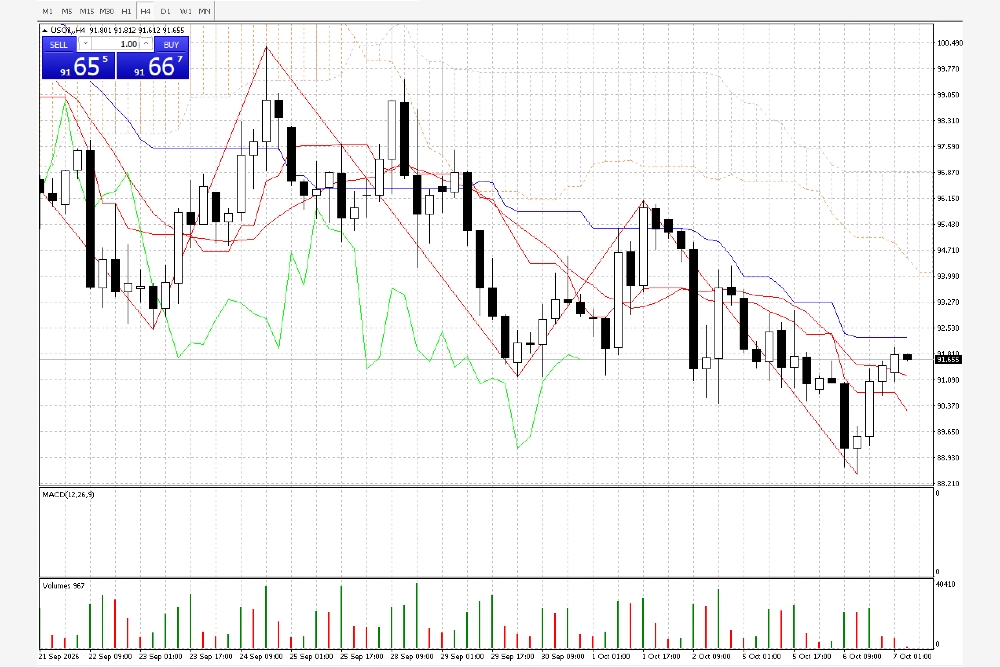
In contrast to the red-hot equity market, the yen extended its losses sharply on Tuesday, breaking above the 162 level against the U.S. dollar. The steep depreciation has stoked domestic concerns in Japan and kept traders highly alert to possible official intervention.
Global stocks are also poised for their strongest quarterly showing in nearly six years, fueled by widespread investor enthusiasm for artificial intelligence. Market participants are now focusing on two key catalysts: Tuesday’s diplomatic talks between the United States and Iran, and U.S. June jobs data due for release on Thursday. The employment figures will offer critical clues on whether the Federal Reserve will keep interest rates higher for longer, a key factor shaping global capital flows.
U.S. stocks have staged a stunning rebound despite headwinds including geopolitical tensions, oil supply shocks and mounting inflation concerns, defying broad market skepticism. Since bottoming three months ago, the S&P 500 has staged one of its fastest rallies of the century. The index climbed 20% from its late-March low to a peak in early June, a magnitude of rapid recovery seen only three times since 2000.
Analysts struck a cautious tone on the U.S. market outlook. Malley noted that while tech stocks do not need to continuously outperform the broader market, they must avoid steep declines given their heavy weighting in the S&P 500. A sharp tech pullback could prompt retail investors — who have been inundated with market bubble warnings over the past year — to rotate out of equities and into cash, triggering broader market volatility.
In commodity markets, Brent crude edged lower to around $72.55 per barrel ahead of the upcoming U.S.-Iran talks, easing geopolitical risk premiums. Gold prices also retreated, falling below $4,000 per ounce. In foreign exchange and fixed-income markets, the U.S. Dollar Index ticked up 0.1%, while U.S. Treasury prices remained largely unchanged, reflecting muted market risk sentiment.
Market attention across Asia remains firmly fixed on the yen’s extreme weakness. The currency’s slump presents a double-edged sword for Japan. A weaker yen bolsters export profitability and has propelled Japanese equities to record highs. However, it also drives up import costs, squeezes household spending, and intensifies political pressure on Prime Minister Sanae Takachi’s administration.
The yen’s relentless downtrend has defied official verbal intervention. It broke past 161.95 against the U.S. dollar in overnight New York trading, surpassing the low hit during Japan’s official currency defense operations in July 2024. The depreciation continued in Tuesday’s Tokyo session, with the yen falling to 162.40. Public attempts to stabilize the market by Chief Cabinet Secretary Minoru Kihara and subsequent remarks by Finance Minister Mayu Katayama failed to halt the slide.
The current historic low stands in stark contrast to Japan’s currency trajectory four decades ago. The last time the yen traded at such depressed levels, it was in the middle of a multi-year massive appreciation cycle, driven by U.S.-led international monetary agreements. Today, a confluence of structural headwinds has trapped the yen in a prolonged downtrend, marking a fundamental shift in market dynamics.
[Disclaimer] Forex trading involves risk; please invest with caution. This content is for informational purposes and objective analysis only, and does not constitute any investment advice, basis for buying/selling, or guarantee of returns. Investors should make independent decisions based on their own financial situation and risk tolerance, and bear their own investment risks.
Related Posts