
20/05/2026

Currently, the global stock market decline continues to widen, with NVIDIA’s stock price falling, while the bond market decline has narrowed. The core driving factor behind this is the intensification of inflation concerns, which has pushed up global bond yields, thereby exerting sustained pressure on the stock market and prompting investors to re-examine the rationality of current market valuations after the stock market experienced a record-breaking rise.
In terms of the stock market, global stock markets are suffering their longest losing streak in more than two months. The MSCI All-Country World Index fell 0.2%, marking the fourth consecutive trading day of decline; its Asia-Pacific Index performed even weaker, with a decline of 1.1%. As a key indicator for measuring AI-related investments, South Korea’s KOSPI fell more than 2%, among which Samsung Electronics’ stock price declined in tandem with the union’s decision to go on strike. Judging from the performance of the futures market, this downward trend is expected to further spread to European and U.S. markets.
Previously, after weeks of concerns about the Middle East war, global stock markets once climbed to an all-time high due to market optimism that continued AI spending would drive corporate profit growth, but now they have pulled back from the high. Currently, market focus has shifted to NVIDIA’s financial report to be released on Wednesday, and investors are increasingly questioning whether the current AI-driven rally has gone too far and too fast.
As the world’s highest-market-cap company, NVIDIA’s sales are expected to grow by 80% this quarter, the fastest growth rate in more than a year, but investors are more concerned about what NVIDIA will say regarding capacity expansion and resisting competition from rivals. The company’s Q1 financial report will be officially released after the market closes on Wednesday.
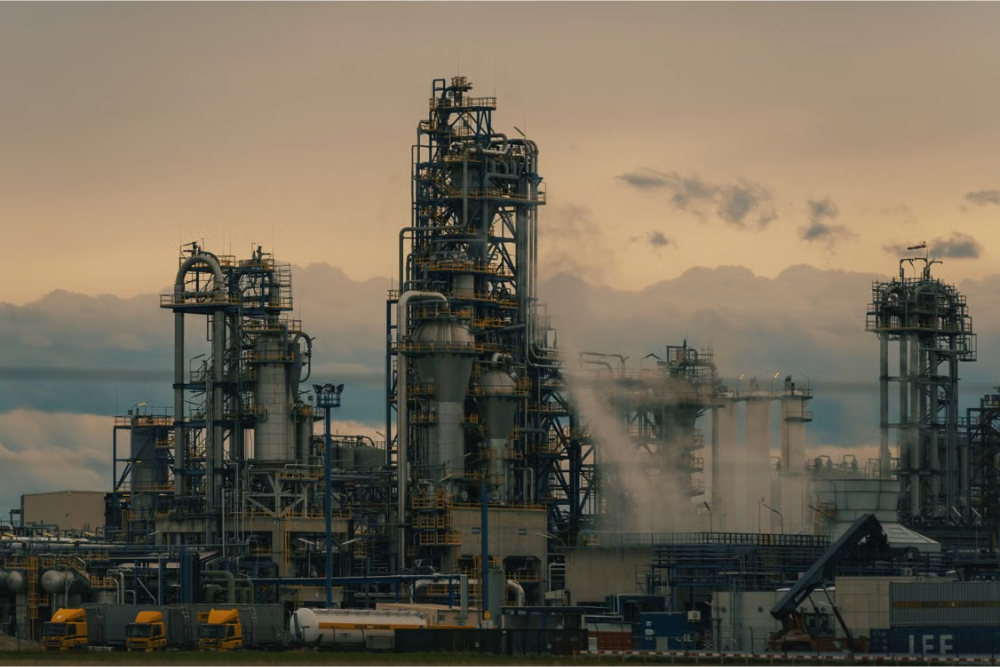
In terms of the commodity and bond markets, Brent crude oil prices have remained above $111 per barrel, mainly because there are no signs of easing in the Iran conflict. This has further heightened market concerns about inflation and also put pressure on global government bonds. Fearing that high energy costs may prompt the Federal Reserve to abandon its interest rate cut plan and instead raise interest rates, the 30-year U.S. Treasury yield has continued to climb, reaching 5.20% at one point on Wednesday, the highest level since the 2007 global financial crisis.
In terms of other market performances, the FXCG US Dollar Spot Index remained near a six-week high; while gold, an asset that generates no returns, fell slightly to around $4,470 per ounce.
At the policy and geopolitical level, G7 finance ministers have clearly pledged not to provide excessive fiscal aid. As the Iran war has intensified global economic growth pressures and inflation risks, after the meeting held in Paris on Tuesday, G7 officials stated in a communiqué that they will take prudent response measures to avoid excessive consumption of public finances. Currently, the sharp fluctuations in the sovereign bond market have affected most G7 member states. Meanwhile, the European Union is accelerating the launch process of a trade agreement with the United States.
The geopolitical situation remains volatile: U.S. President Donald Trump threatened that he will resume air strikes against Iran in the next few days to promote an agreement to end the war. It is reported that Trump recently also had a phone call with Israeli Prime Minister Benjamin Netanyahu to discuss the possibility of restarting military operations against Iran, and will hold a meeting with his national security team in the coming days to explore options for military action against Iran. On the other hand, NATO is discussing that if the Strait of Hormuz, a crucial waterway, remains closed by early July, it will consider assisting ships in passing through the strait.
[Disclaimer] Forex trading involves risk; please invest with caution. This content is for informational purposes and objective analysis only, and does not constitute any investment advice, basis for buying/selling, or guarantee of returns. Investors should make independent decisions based on their own financial situation and risk tolerance, and bear their own investment risks.
Related Posts