
18/05/2026

Affected by the prolonged stalemate of the Iran War, international oil prices have surged sharply, and the global bond sell-off has further spread. This not only intensifies market concerns about rising inflation but also makes the market generally expect central banks around the world to continue tightening monetary policy. Under multiple pressures, the global financial market has fallen into turmoil.
Bond Market: Global Sell-Off Continues, Yields Hit New Highs in Many Countries
Due to growing investor concerns about accelerating inflation, the global bond sell-off has continued to escalate. The U.S. Treasury yield curve has declined across the board, with the 30-year Treasury yield climbing to a nearly three-year peak. The Japanese bond market has experienced even greater volatility: the 10-year Japanese government bond yield rose by 10 basis points, hitting the highest level since 1996; the 30-year yield soared by 20 basis points, setting a historical record since its issuance in 1999. This is closely related to the Japanese government’s plan to raise supplementary budgets through new bond issuances to cope with rising energy costs, highlighting market concerns about Japan’s public fiscal pressure. In addition, bond prices in Australia and New Zealand also declined simultaneously, leaving the global bond market generally under pressure.
Stock Market: Continuing the Downtrend from Historical Highs, Divergent Regional Performance
The surge in bond yields has further dragged down the stock market, and global stock markets have continued their downward trend from historical highs. Asian stock markets fell by 0.9% overall, but South Korea’s KOSPI Composite Index—this year’s best-performing benchmark stock index globally—erased early losses and finally rose by 0.4%, mainly driven by a rebound in Samsung Electronics’ stock price. Meanwhile, the trends of stock index futures in Europe and the United States indicate that stock markets in both regions may fall further.
Energy and Foreign Exchange Markets: Rising Oil Prices, Strengthening U.S. Dollar
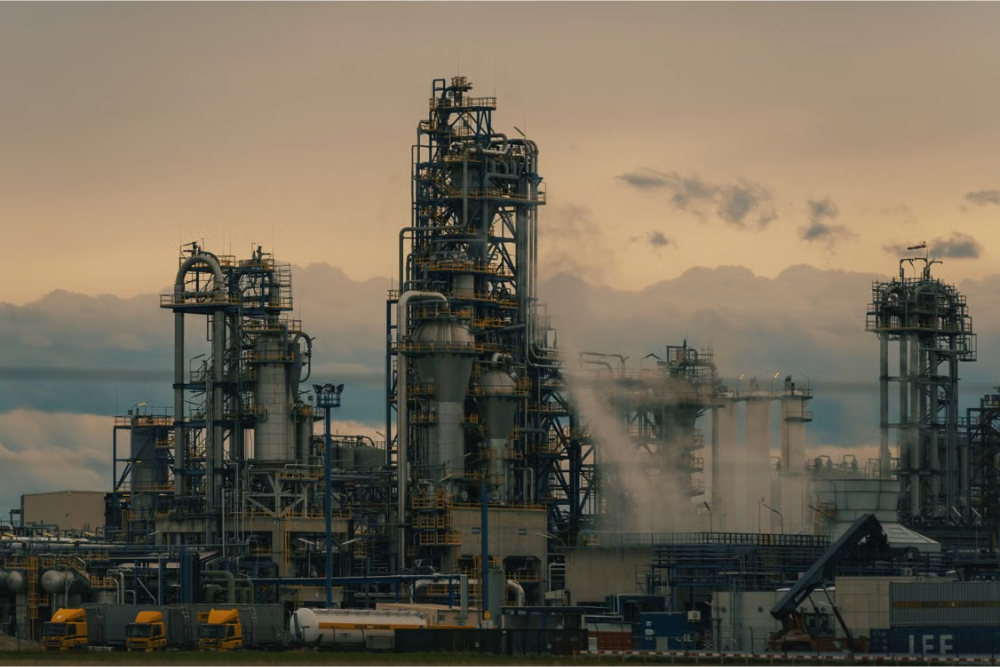
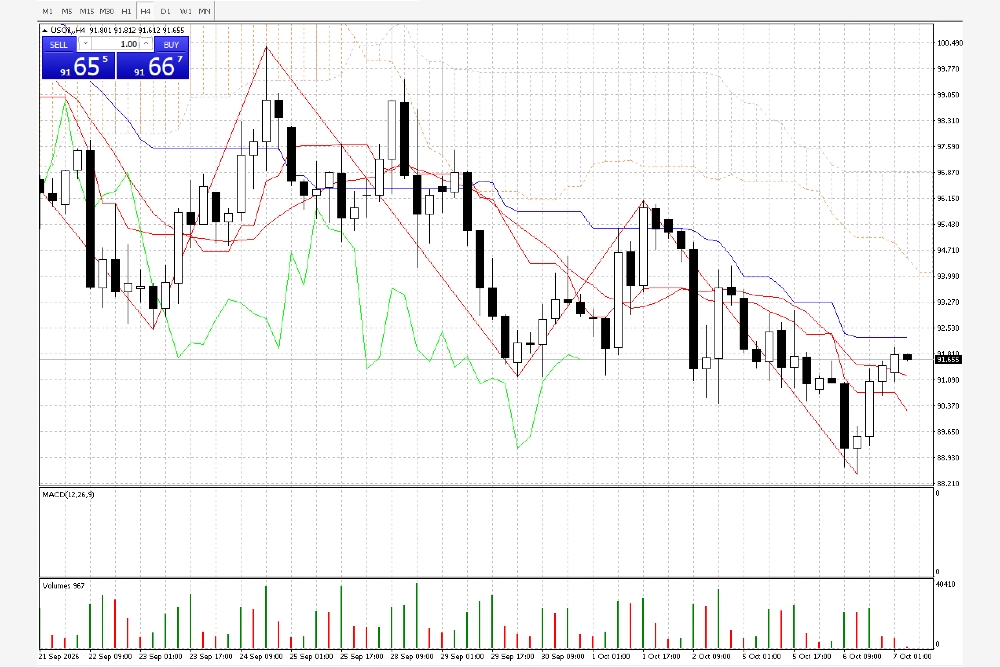
The ongoing tension in the Middle East has become a core influencing factor in the energy and foreign exchange markets. As the preferred safe-haven asset during the Middle East conflict, the U.S. dollar has risen for the sixth consecutive day. Affected by this, coupled with the stalemate in efforts to reopen the Strait of Hormuz, Brent crude oil prices rose by about 2% to exceed $111 per barrel. The Strait of Hormuz undertakes 20% of global oil transportation tasks, and the stalemate in its navigation has directly pushed up oil price volatility. Previously, Brent crude oil had hit a four-year high of $126 per barrel, and the uncertainty of the situation will still dominate oil price trends. U.S. President Trump has issued a warning, stating that the “time is running out” for Iran to reach a relevant agreement, but currently, U.S.-Iran negotiations are in a deadlock where neither side is willing to make concessions. There is a huge gap between the five preconditions put forward by Iran and the requirements of the United States, making it difficult to break the deadlock quickly.
Root Causes of Market Turmoil and Core Focus
Monday’s market turmoil stemmed from the concentrated sell-off in the stock and bond markets last Friday, with the core reason being heightened market concerns that the Strait of Hormuz might be actually closed—once the strait is closed, it will keep oil prices high, further push up inflation, and force central banks to maintain high interest rates. This week, investors’ attention will focus on NVIDIA’s financial report. In the past few months, the stock market has ignored the continuously rising macro risks, generally betting that the company’s investment of billions of dollars in advancing its artificial intelligence layout will drive the growth of corporate profits.
The market pays close attention to the policy direction of the Federal Reserve. Traders currently generally expect the Federal Reserve to raise interest rates in March, which is in sharp contrast to market expectations at the end of February—at that time, the market generally believed that the Federal Reserve would cut interest rates by 25 basis points twice in 2026, and the outbreak of the Iran War has completely changed the direction of the bond market.
Linkage Between the Middle East Situation and the Global Market: Risks Continue to Ferment
The core contradiction in the current market still focuses on the stalemate in the Middle East situation, where the United States and Iran have not made any progress on the fragile ceasefire agreement. Iran’s semi-official Mehr News Agency stated that the Washington side has “not made any substantive concessions” and instead tried to “obtain concessions that could not be obtained during the war,” which will lead to a prolonged deadlock in negotiations. At the same time, a drone attack caused a fire at a nuclear power plant in the United Arab Emirates, further highlighting the fragility of the current ceasefire agreement and exacerbating market concerns about the escalation of the Middle East situation. It is worth noting that Iran has formulated a navigation management mechanism for the Strait of Hormuz, which is only open to cooperative parties, further strengthening its control over the strait. Meanwhile, the United States and Israel are intensively coordinating military action plans against Iran, leading to a further increase in the uncertainty of the situation.
In addition, G7 finance ministers will hold a meeting this week to focus on the global bond sell-off, but no specific measures to ease market pressure have been clarified yet. The safety of oil transportation through the Strait of Hormuz remains the core issue of concern to all parties.
Other Market Dynamics
In the agricultural products market, Chicago grain futures prices rose on Monday after the White House outlined China’s commitment to purchase additional U.S. agricultural products, which has raised market expectations for a rebound in exports of crops other than soybeans.
In the Chinese market, affected by the overall slowdown in economic growth in April, the momentum of investment recovery has declined, and both retail sales and industrial output have fallen short of market expectations, leading to a slight decline in the Shanghai stock market. According to data from the National Bureau of Statistics, the added value of industrial enterprises above designated size nationwide increased by 4.1% year-on-year in April, and the total retail sales of consumer goods increased by only 0.2% year-on-year and decreased by 0.48% month-on-month. Insufficient momentum for economic recovery has suppressed the stock market.
In the UK market, the pound has weakened, mainly affected by the battle for the leadership of the UK Labour Party. Wes Streeting stated that he will participate in any leadership election that may replace Keir Starmer and called for the UK to rejoin the European Union; earlier, Andy Burnham, Mayor of Manchester, has announced his intention to run for Parliament, paving the way for challenging Starmer. The market is worried that if there is a change in the leadership of the UK Labour Party, expansionary fiscal policies may be implemented, which is also an important reason for the sharp drop in UK government bonds last week. After the Labour Party’s disastrous defeat in the recent UK local elections, more than 90 Labour MPs have called on Starmer to resign, and the fiscal propositions of different candidates vary greatly. Subsequent leadership changes may further affect the trend of UK assets.
[Disclaimer] Forex trading involves risk; please invest with caution. This content is for informational purposes and objective analysis only, and does not constitute any investment advice, basis for buying/selling, or guarantee of returns. Investors should make independent decisions based on their own financial situation and risk tolerance, and bear their own investment risks.
Related Posts