20/04/2026

Since the weekend, tensions between the United States and Iran have continued to escalate, raising traders’ risk aversion. This has directly led to a surge in international oil prices and a pullback in U.S. stock index futures, dampening the previous market optimism about the easing of tensions in the Middle East.
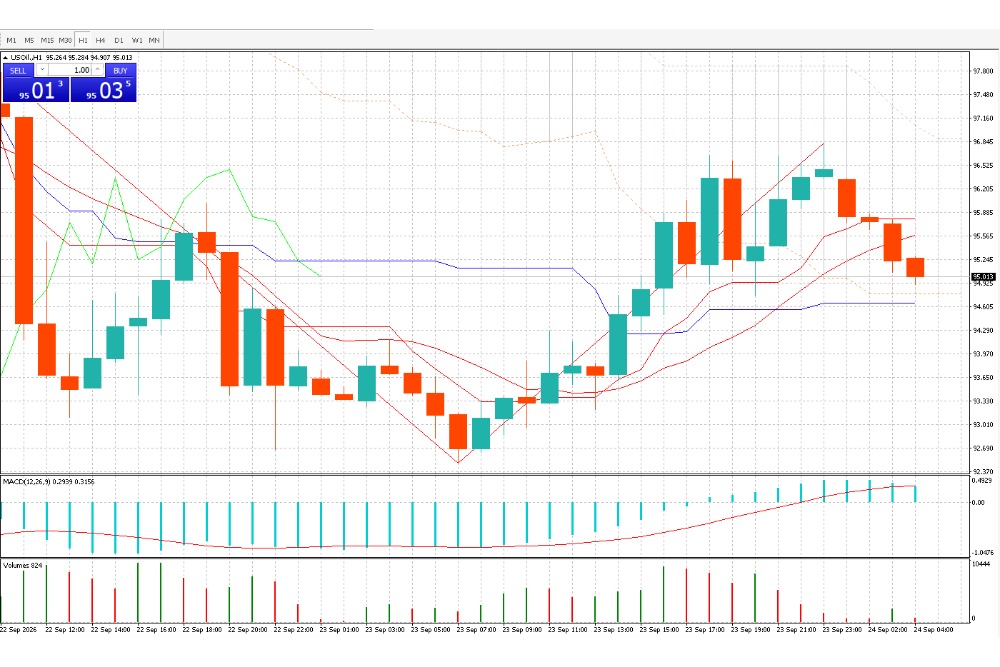
It is reported that after the U.S. Navy seized an Iranian ship, the price of Brent crude oil rose sharply by 5.4% to $95.25 per barrel. Over the weekend, Iran had opened fire on ships and retook control of the Strait of Hormuz, plunging the area into chaos. Meanwhile, S&P 500 index futures fell 0.6%, after the index closed at a record high last Friday; notably, Iran had earlier announced that this important waterway was “fully open.”
Fears that rising oil prices could exacerbate inflation pushed the U.S. Treasury yield curve lower across the board. As a traditional safe-haven asset during conflicts, the U.S. dollar rebounded slightly after three consecutive weeks of decline, mainly driven by faint market hopes for a peaceful end to the war.
However, market volatility was relatively mild on Monday, with overall levels pulling back to those of last week—when market expectations for a diplomatic resolution between the U.S. and Iran had boosted sentiment. Among them, the MSCI Asia Pacific Equity Index rose 0.6%, supported mainly by gains in chipmakers such as TSMC and SK Hynix; the emerging market equity index also fully recovered all losses incurred earlier due to the war.
Currently, the situation in the Strait of Hormuz has tightened again, and after the sharp pullback in war-induced risk premiums in recent periods, it may trigger global market volatility once more. It is understood that the two-week ceasefire agreement between the U.S. and Iran will expire this Tuesday, and market focus has shifted to whether the two countries can restart negotiations to ease tensions and reopen this key waterway. Previously, the first round of talks between the two sides held in Islamabad ended in failure.
Kerry Craig, global market strategist at JPMorgan Asset Management, said on Bloomberg Television: “To some extent, this still seems to be operating in the same circle.” He believes the market is currently “focused on the possibility that this conflict may be coming to an end, or at least the beginning of the end.”
U.S. President Donald Trump and Iranian officials have expressed sharply different views on the next phase of the war, making the prospect of restarting peace talks uncertain, while the ceasefire agreement will formally expire in the next few days. Iran has clearly stated that if the U.S. continues to maintain its maritime blockade, the country may not participate in the second round of talks this week—a statement that has further deteriorated the situation, which had shown signs of easing last Friday and drove a full-scale stock market rally.
Notably, Trump’s attitude has undergone a drastic shift: last Friday, he claimed that an agreement with Iran was nearly reached, but by Sunday morning, he publicly threatened that if negotiations fail, the U.S. will destroy all of Iran’s power plants and bridges. This policy reversal also highlights that last week’s global stock market rally was largely based on market hopes rather than substantive peace achievements.
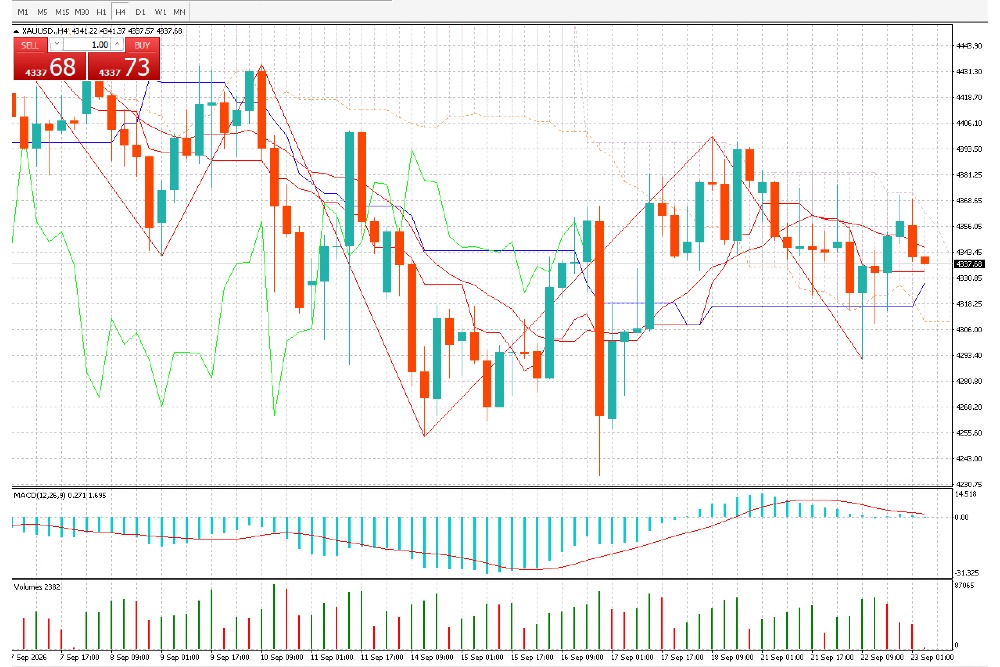
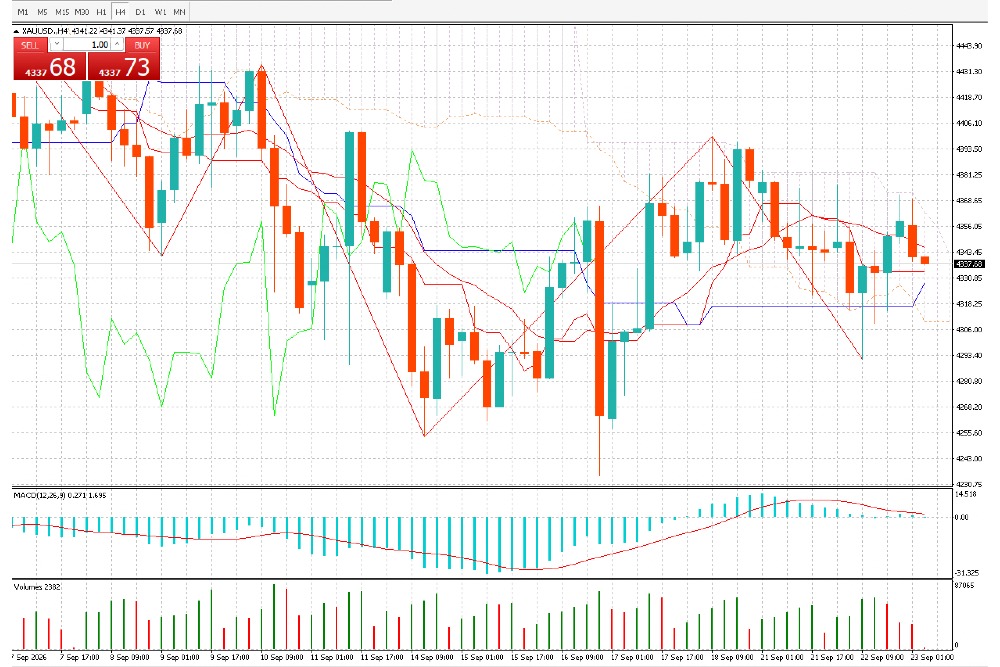
In other market sectors, the price of gold fell 0.8% to $4,790 per ounce; silver prices also fell 1% in tandem; Bitcoin weakened slightly, quoted at around $74,500 per ounce. Meanwhile, the U.S. 10-year Treasury yield rose 2 basis points to 4.27%, while European bond futures prices edged lower.
In addition, European natural gas futures prices soared by as much as 11% on Monday, driven by Tehran’s decision to close the strategic Strait of Hormuz again on Saturday—Iran had previously stated that the U.S. blockade of Iran-related ships violated the ceasefire agreement reached by both sides.
Looking back at recent market performance, earlier last Friday, the S&P 500 Index had risen more than 3% for the third consecutive week, on track to record its largest monthly gain since 2020. At the same time, stock markets in Taiwan (China), Singapore, and China’s CSI 300 Index have all reversed the downward trend that emerged after the U.S. and Israel attacked Iran at the end of February; South Korea’s benchmark Kospi index rose 1.4% on Monday, successfully erasing all losses suffered since the outbreak of the war.
[Disclaimer] Forex trading involves risk; please invest with caution. This content is for informational purposes and objective analysis only, and does not constitute any investment advice, basis for buying/selling, or guarantee of returns. Investors should make independent decisions based on their own financial situation and risk tolerance, and bear their own investment risks.
Related Posts

23/09/2026
23/09/2026