
15/07/2026

Asian equity markets moved higher, alongside rising international oil prices, driven by weaker-than-expected U.S. inflation data that eased market expectations for Federal Reserve rate hikes and a renewed surge in AI trading activity, boosting overall sentiment across the Asia-Pacific region.
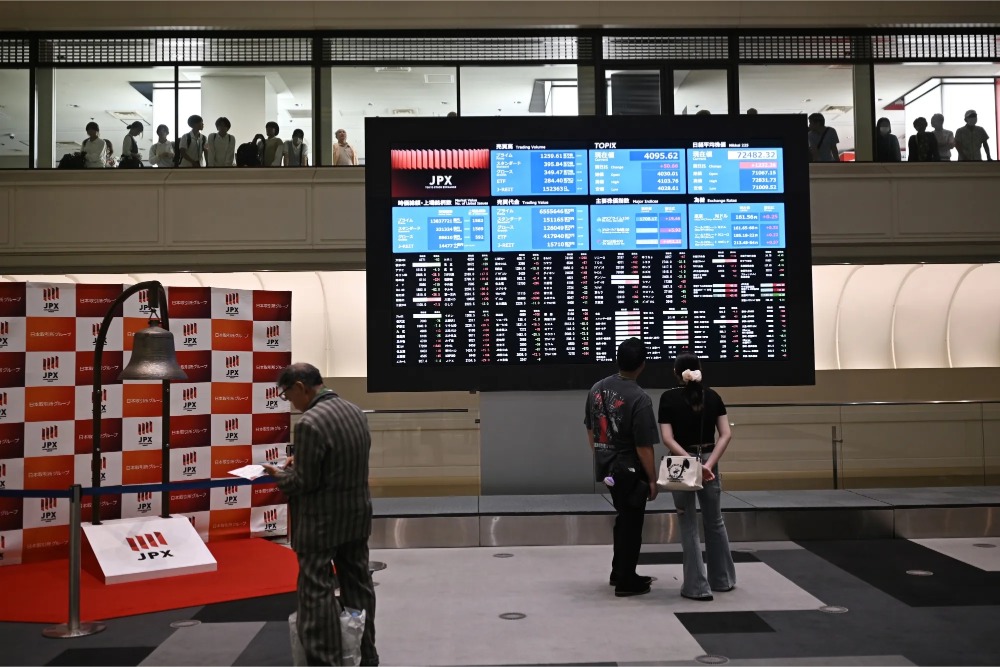
Market data shows the MSCI Asia Pacific Index rose 1.2%, with advancing stocks outnumbering decliners by more than three to one. South Korea’s KOSPI Index stood out with a gain of over 6%, led by SK Hynix, which jumped 10%. The rally came after the company’s American Depositary Receipts (ADRs) soared 27% in U.S. trading. Equities in Japan and Australia also posted gains, putting the regional benchmark index on track to rise for a second consecutive trading session. Notably, SK Hynix’s U.S.-listed ADRs saw its premium over the company’s South Korean-listed shares surge above 50% just three days after its U.S. debut. Following sharp market swings on Tuesday, investor focus across Asia has returned to the semiconductor sector.
In the U.S. market, the S&P 500 advanced on solid earnings results from major banks, while strength in chipmakers lifted the Nasdaq 100. However, stock performance was mixed; International Business Machines (IBM) tumbled 25% after reporting weaker-than-expected sales figures.
U.S. bonds, foreign exchange and gold markets saw synchronized movements. U.S. Treasury prices stabilized after a rally on Tuesday, pulling yields sharply lower as traders unwound aggressive bets that the Federal Reserve would begin raising interest rates as early as this month. The U.S. dollar weakened against all G10 currencies, while gold extended its Tuesday gains to trade at around $4,050 per ounce.
Oil prices notched a third straight day of gains amid escalating geopolitical tensions in the Middle East. Market supply concerns intensified after U.S. President Donald Trump threatened further strikes on Iran, coupled with the United States’ resumption of shipping blockades in Iran’s Strait of Hormuz. Brent crude, the global benchmark, climbed 1.8% to above $86 per barrel, accumulating an 11% surge over the previous two trading days.
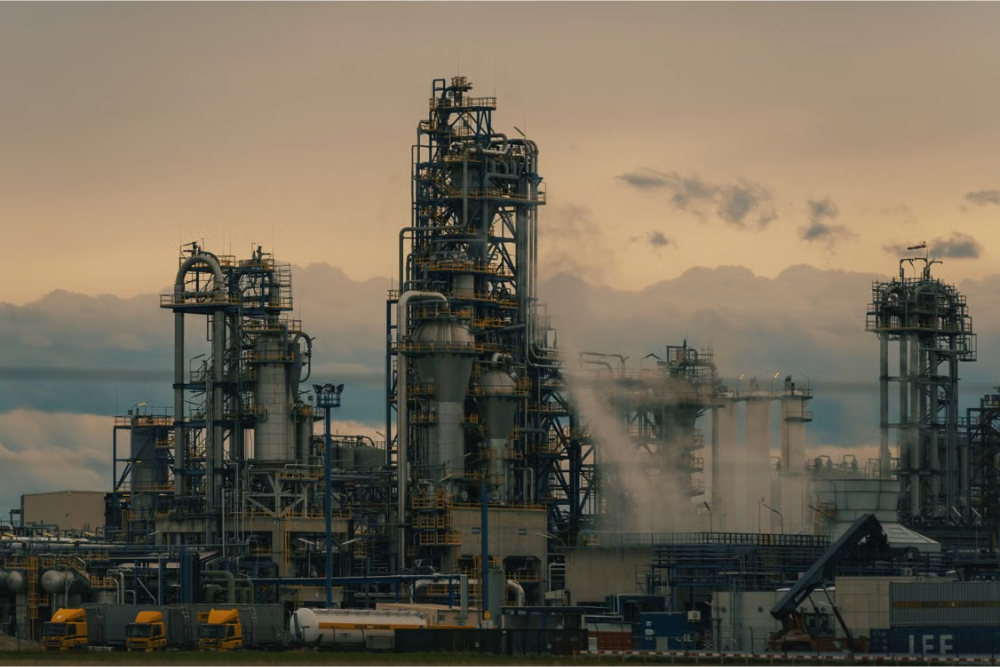
Global fuel supply conditions continue to tighten. Escalating Middle East tensions and rising drone attacks by Ukraine on Russian refineries have forced Russia to export large volumes of crude oil under pressure, straining global energy supply chains. Fuel markets in the U.S. and Europe face exceptionally tight supply, adding further upward pressure on global oil prices and increasing cost burdens for end consumers. Oil traders are closely monitoring refined product market dynamics for further price volatility risks.
The latest soft U.S. CPI data and a strong start to the U.S. earnings season have fueled renewed enthusiasm for AI-themed trading, helping technology stocks stabilize and rebound after recent volatility.
Nevertheless, market uncertainties remain. While subdued inflation data gives the Federal Reserve greater room to hold interest rates steady, persistent geopolitical tensions in the Middle East pose sustained upside risks to energy prices, clouding the outlook for global inflation.
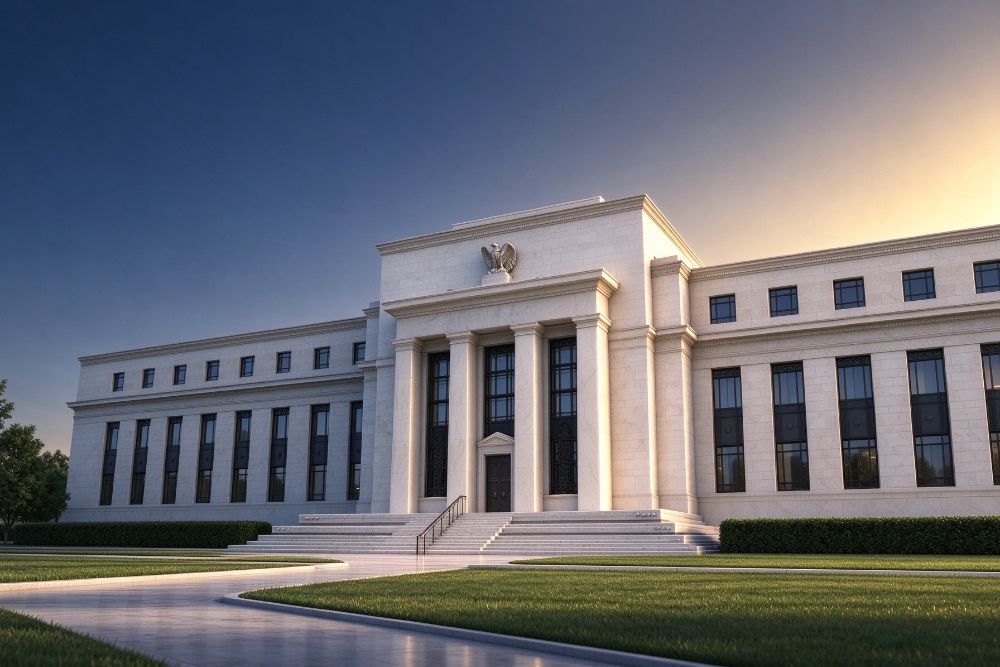
On monetary policy, Federal Reserve Chair Kevin Walsh struck a hawkish tone during congressional testimony, reiterating the central bank’s zero-tolerance stance on high inflation and its firm commitment to stabilizing prices. He acknowledged that June’s inflation data came in better than expected but emphasized that the fight against inflation is far from over.
“I would not come here and say the job is done. There is still significant work ahead of us,” Walsh stated.
[Disclaimer] Forex trading involves risk; please invest with caution. This content is for informational purposes and objective analysis only, and does not constitute any investment advice, basis for buying/selling, or guarantee of returns. Investors should make independent decisions based on their own financial situation and risk tolerance, and bear their own investment risks.
Related Posts