
03/06/2026

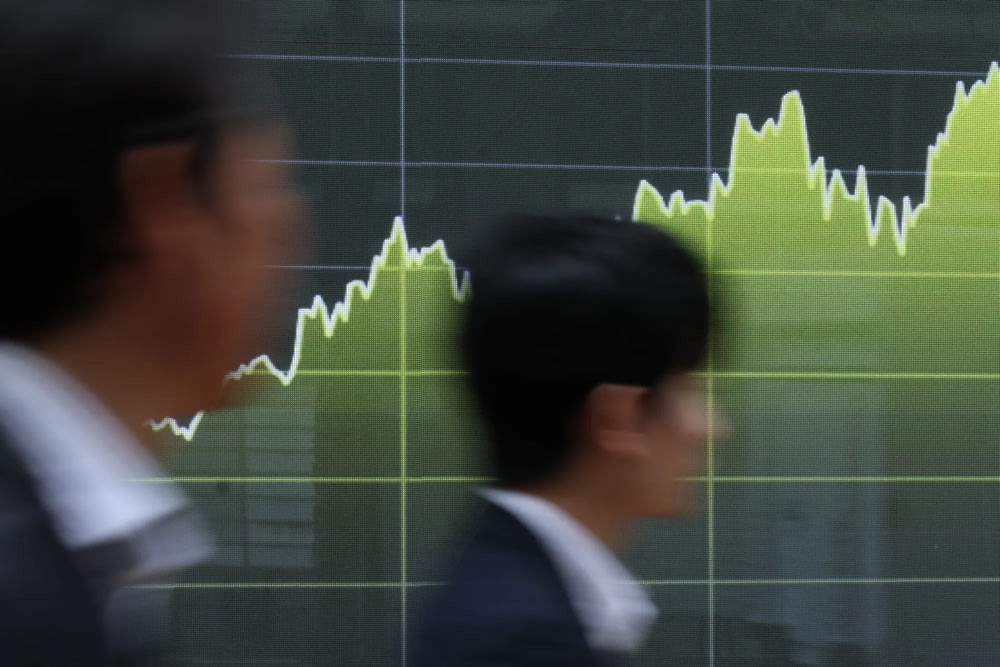
Boosted by the ongoing artificial intelligence trading boom, U.S. equities have maintained strong momentum. The S&P 500 index rose for nine consecutive trading sessions, marking its longest winning streak since May 2025 and setting a positive tone for Asian markets. Meanwhile, international oil prices steadied amid uncertainties surrounding the U.S.-Iran deal outlook, resulting in a mixed performance across global stocks, commodities, forex and bond markets.
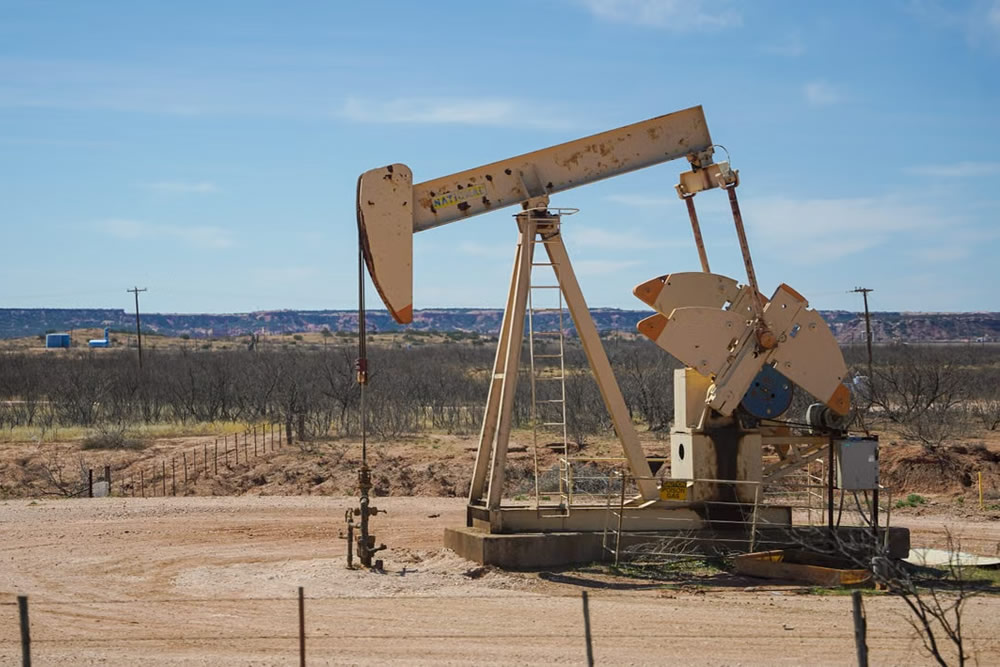
Asian stock futures showed divergent pre-market trends, with markets in Sydney and Tokyo set to open higher, while Hong Kong stock futures edged slightly lower. On Tuesday, AI-related stocks led the U.S. market rally, with the semiconductor manufacturer index surging nearly 6%, serving as the core driver of the benchmark’s prolonged gains. In early Wednesday trading, U.S. crude oil prices held steady. The commodity had rallied more than 7% over the prior two trading days, fueled by downbeat reports on U.S.-Iran negotiation progress from Iranian state media, which stoked market concerns over geopolitical tensions.
U.S.-Iran diplomatic developments remain the core focal point of the energy market. U.S. President Donald Trump expressed optimism over reaching a tentative peace deal in the near term. He refuted Iranian state media reports claiming that negotiations had been suspended due to conflicts in Lebanon, stating that bilateral dialogue has been ongoing, including active communications on the day. Iran’s Mehr News Agency, however, reported that Tehran officials are reviewing a final agreement draft to be presented to the United States. As a critical global energy shipping artery, the Strait of Hormuz previously handled around one-fifth of the world’s oil and liquefied natural gas shipments. Commercial traffic through the waterway remains constrained amid ongoing tensions, continuing to weigh on global energy supply expectations.
Despite rising energy costs driven by the Iran situation that have pressured corporate operations, the U.S. labor market has demonstrated strong resilience. Latest data shows that U.S. job openings surged to a nearly two-year high in April, while layoff numbers declined, underscoring the job market’s robust risk resistance and solidifying the fundamental support for U.S. equities.
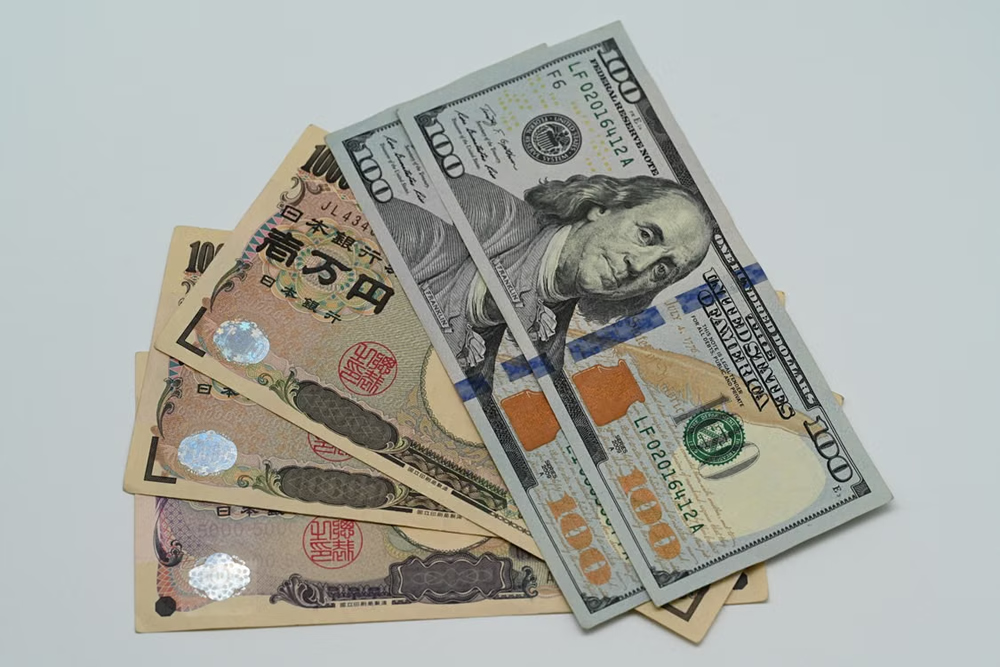
In the foreign exchange and bond markets, the Japanese yen weakened against the U.S. dollar on Tuesday, nearing the 160 per dollar threshold. Market participants are closely monitoring remarks by Bank of Japan Governor Kazuo Ueda for clues on the future interest rate outlook. The U.S. Dollar Index traded largely flat, while U.S. Treasury prices closed mixed and volatile in the U.S. trading session.
The U.S. credit bond market has seen rapid expansion. Driven by historically low interest rate spreads and a surge in AI-related spending, blue-chip corporations have ramped up borrowing activities. U.S. investment-grade bond issuance has topped $1 trillion at the fastest year-to-date pace since 2020. In contrast, sentiment in the cryptocurrency market deteriorated, dragging down the price of Bitcoin, the world’s largest digital asset by market capitalization, creating a stark divergence from the buoyant stock and bond markets.
[Disclaimer] Forex trading involves risk; please invest with caution. This content is for informational purposes and objective analysis only, and does not constitute any investment advice, basis for buying/selling, or guarantee of returns. Investors should make independent decisions based on their own financial situation and risk tolerance, and bear their own investment risks.
Related Posts