
02/06/2026

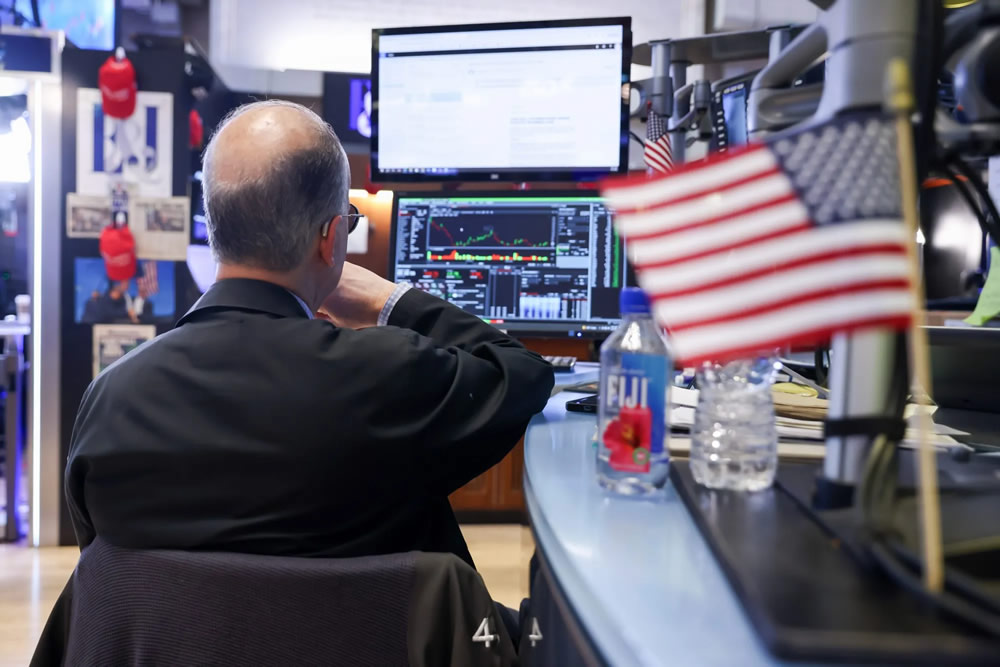
Global markets have recently presented a divergent trend of strong equities and weak crude oil. Bolstered by the sustained strength of the artificial intelligence (AI) sector, global stock markets have shrugged off geopolitical headwinds and remained at elevated levels. Asian equities sharply narrowed intraday losses on strong dip-buying sentiment. Meanwhile, international oil prices edged lower, substantially easing market inflation concerns and driving a modest rally in U.S. Treasury prices.
1. Asian Equities Recover Losses; AI and Chinese Tech Stocks Outperform
The recent market pullback mainly stemmed from a temporary consolidation in the AI-driven rally. Nevertheless, AI, as one of the core investment themes for the year, has continued to underpin market confidence, enabling Asian stock markets to recoup most early losses and trade nearly flat near historic highs.
In terms of key indices, the MSCI regional equity index trimmed early declines to end broadly unchanged, hovering close to its record level. South Korea’s KOSPI, a key barometer for AI-related investments, staged a notable rebound. After dropping as much as 3.3% in early trading, the index closed down only 1.1%. In overseas markets, Nasdaq 100 futures narrowed their intraday losses to finish 0.3% lower, while European equity futures pointed to a higher opening.
Chinese technology stocks stood out with robust gains, with Tencent Holdings surging 8.8%. On the U.S. side, the S&P 500 notched an eighth consecutive trading day of gains, marking its longest winning streak since May 2025. The semiconductor sector led the market rally by a wide margin. The Philadelphia Semiconductor Index (SOX) has skyrocketed approximately 70% over the past two months, on track for its strongest quarterly performance on record. Chip stocks remain the top-performing sector in the S&P 500 this year, outpacing all other industries. Currently, market capital continues to concentrate heavily on the AI track amid robust semiconductor demand, serving as the core pillar supporting global equities at high levels.
2. Oil Prices Retreat After Rally; Geopolitical Risks Cap Upside
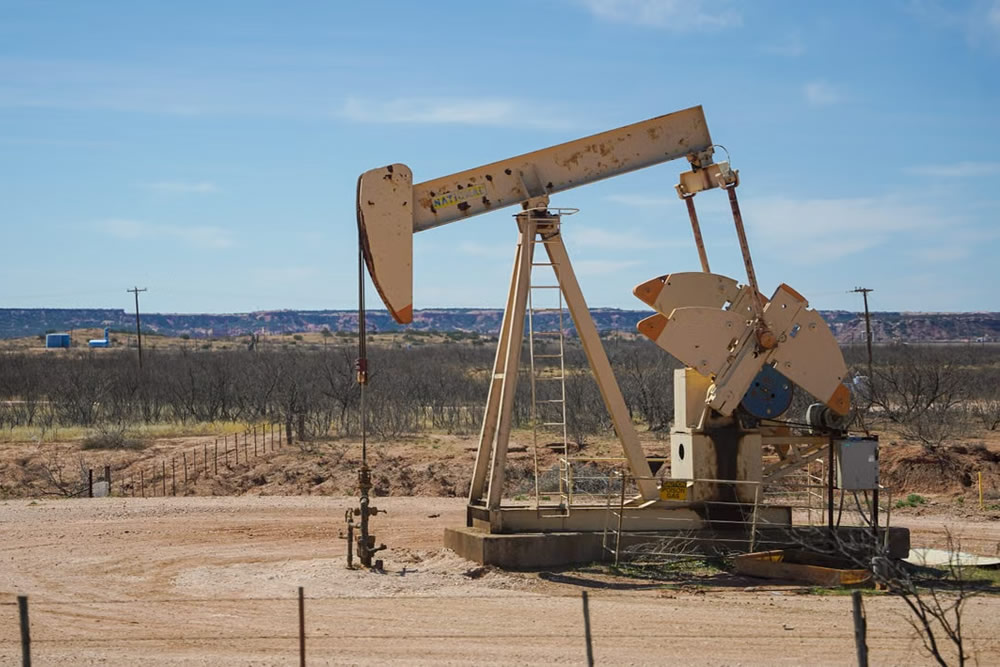
Crude oil prices retreated after Monday’s gains, with Brent crude erasing part of its earlier advance to trade at around $94.20 per barrel. The pullback in oil prices has alleviated market inflation fears, lifting U.S. Treasury prices moderately.
Oil rallied on Monday amid heightened geopolitical uncertainty in the Middle East. Inconsistent public remarks between U.S. President Trump and Israeli Prime Minister Netanyahu over the Lebanon conflict, coupled with stalled progress in the U.S.-Iran peace talks, fueled the short-term surge in crude prices. The U.S. is pushing to revive the peace agreement with Iran, yet conflicting statements from both sides suggest the four-month regional conflict continues to see slow and uneven progress toward a ceasefire.
Geopolitical fragility continues to weigh on energy market sentiment. Although a ceasefire reached in April remains in place, it stays fragile and unstable. While Trump has repeatedly claimed that peace talks with Iran are advancing steadily and nearing completion, Iran has struck a cautious tone. It denied reports of an imminent interim deal last week and warned on Monday that it would take action against Israel alongside its “Axis of Resistance” proxies if hostilities in Lebanon persist. The vulnerable situation around the Strait of Hormuz has made energy prices a critical driver of global inflation and interest rate outlooks.
Overall, the powerful AI market rally has effectively offset volatility triggered by Middle East geopolitical tensions, keeping global stock markets firm near historic highs.
3. Currency Dynamics, Policy Updates and Economic Outlook
In the foreign exchange market, the yen stabilized at around 159.70 against the U.S. dollar. Japanese Minister of Finance Mayu Katayama stated that authorities stand ready to intervene in the forex market as needed to stabilize excessive volatility. The Ministry of Finance released monthly intervention data last Friday, with investors closely monitoring follow-up policy moves.
On the policy front, the White House announced tariff cuts on agricultural equipment such as combine harvesters, aiming to lower operational costs for U.S. farmers and manufacturers and bolster the domestic agricultural and manufacturing supply chains.
Market focus is firmly fixed on upcoming key economic data, most notably the U.S. May jobs report due for release this Friday. Investors will scrutinize the employment figures to gauge the health of the U.S. economy and assess the Federal Reserve’s policy path under newly appointed Chair Kevin Walsh, seeking fresh directional cues for global asset pricing.
[Disclaimer] Forex trading involves risk; please invest with caution. This content is for informational purposes and objective analysis only, and does not constitute any investment advice, basis for buying/selling, or guarantee of returns. Investors should make independent decisions based on their own financial situation and risk tolerance, and bear their own investment risks.
Related Posts