06/05/2026

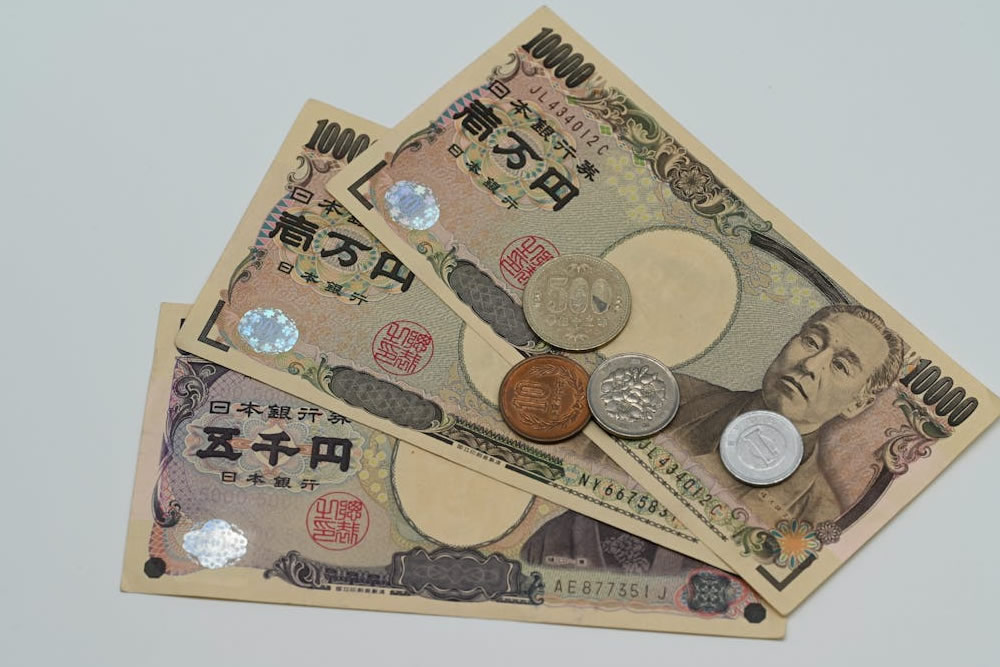
The yen continued to strengthen against the U.S. dollar, rising as much as 1.8% and extending the upward momentum triggered by Japanese officials’ intervention in the foreign exchange market to support the local currency on April 30.
During the Asian trading session on Wednesday, the yen briefly climbed to 155.04 against the U.S. dollar, continuing its recent rebound. The core background of the yen’s strength this time is Japan’s first foreign exchange market intervention since 2024 — in late April, Japanese authorities stepped in to intervene in the foreign exchange market, directly driving the yen up as much as 3% intraday.
Although Japanese officials have consistently refused to directly comment on whether they conducted foreign exchange intervention, people familiar with the matter have confirmed that the intervention did occur; an analysis of the Bank of Japan’s accounts found that the cost of this intervention may have reached approximately $34.5 billion.
Rodrigo Catril, strategist at National Australia Bank, commented on this: “The U.S. dollar opened with a gap lower against the yen, and all signs indicate that the Japanese government may have intervened. The price movements in recent days have further confirmed the intention of Japan’s Ministry of Finance — it hopes to prevent the yen from falling to the 160 level and also attempt to curb speculators’ short-selling of the yen.”
Notably, Japan’s Ministry of Finance did not immediately respond to a request for comment on the recent foreign exchange market developments during the non-working hours of the National Day holiday.
Analysts at Goldman Sachs Group pointed out that Japan has sufficient intervention capacity and could theoretically intervene in the foreign exchange market 30 times as it did last week, but it is expected that Japanese officials will reasonably retain foreign exchange reserves and choose a more effective time to step in to avoid excessive consumption of reserves.
Looking back at 2024, the yen once fell to around 160.17. At that time, Japanese authorities stepped in multiple times, investing a total of approximately $100 billion to buy yen to support the local currency; in addition, when the yen exchange rate fell to key levels of 157.99, 161.76 and 159.45 respectively, Japanese authorities also took corresponding supporting measures.
Japan’s Finance Minister May Hayama clearly stated on Monday that speculative transactions in the foreign exchange market have been ongoing for a period of time, which has also been interpreted by the market as one of the signals that Japanese authorities may further intervene in the foreign exchange market.
[Disclaimer] Forex trading involves risk; please invest with caution. This content is for informational purposes and objective analysis only, and does not constitute any investment advice, basis for buying/selling, or guarantee of returns. Investors should make independent decisions based on their own financial situation and risk tolerance, and bear their own investment risks.
Related Posts

23/09/2026
23/09/2026