
28/08/2026

U.S. stock futures edged lower ahead of the Jackson Hole Economic Symposium, as investors awaited remarks from Federal Reserve Chair Kevin Walsh, who is widely expected to deliver a hawkish policy message.
Risk sentiment cooled notably after the initial market enthusiasm over NVIDIA’s upbeat outlook for artificial intelligence faded. The Nasdaq 100 futures fell 0.3%, while S&P 500 futures dropped 0.2%. In addition, Marvell Technology Inc. slumped more than 7% in after-hours trading following its latest earnings release, further weighing on market sentiment.
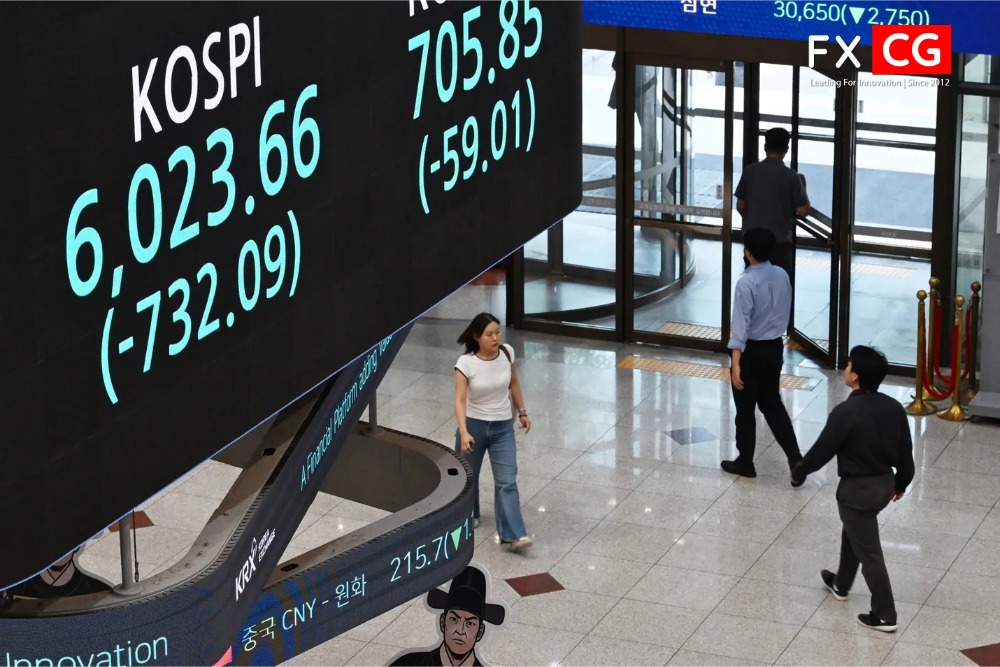
Global equities faced mild downward pressure. The MSCI Asia Pacific Index traded slightly lower, with South Korea’s benchmark stock index declining 1.3%.
U.S. Treasury prices fell for a second consecutive trading session on Thursday. Amid lingering concerns over inflation dynamics and the U.S. fiscal outlook, Treasury yields across the curve rose by 2 to 3 basis points.
Chair Walsh’s upcoming speech is viewed as critical for determining whether the recent upward momentum in bond yields will persist. Investors are closely monitoring how the Federal Reserve will balance lingering inflationary pressures against signs of a cooling economy. Uncertainty over the future policy path is set to heighten volatility in long-dated Treasury bonds, which could spill over into equity markets.
Traders are also parsing fresh U.S. economic data for further clues on the Fed’s policy trajectory. The latest data showed a drop in initial jobless claims and a rise in wholesale inventories, while the U.S. goods trade deficit widened in July to its largest level since early last year.
Kansas City Fed President Jeff Schmid stated that current monetary policy has not restrained economic growth. The Federal Reserve held the federal funds rate steady at a range of 3.5% to 3.75% in its most recent policy meeting, while futures markets are pricing in a 25-basis-point rate hike before the end of the year.
“Walsh’s Jackson Hole address presents an opportunity to stem the ongoing selloff in long-dated Treasuries,” wrote Dheeraj Narula, U.S. Rates Strategist at HSBC. “Clarifying the Fed’s inflation reaction function could help compress uncertainty-driven term premiums and stabilize the bond market.”
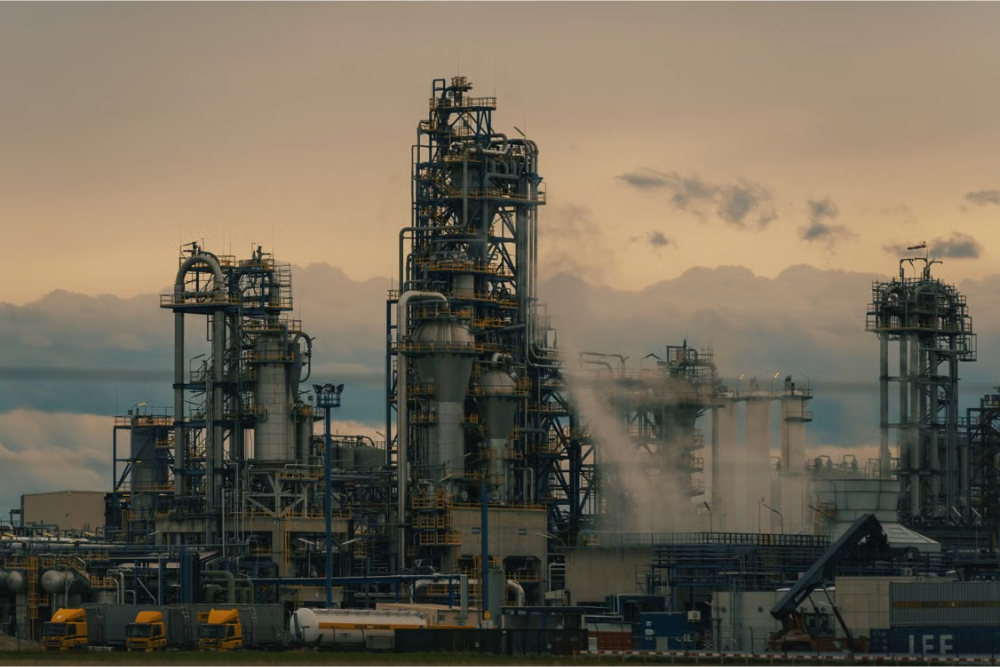
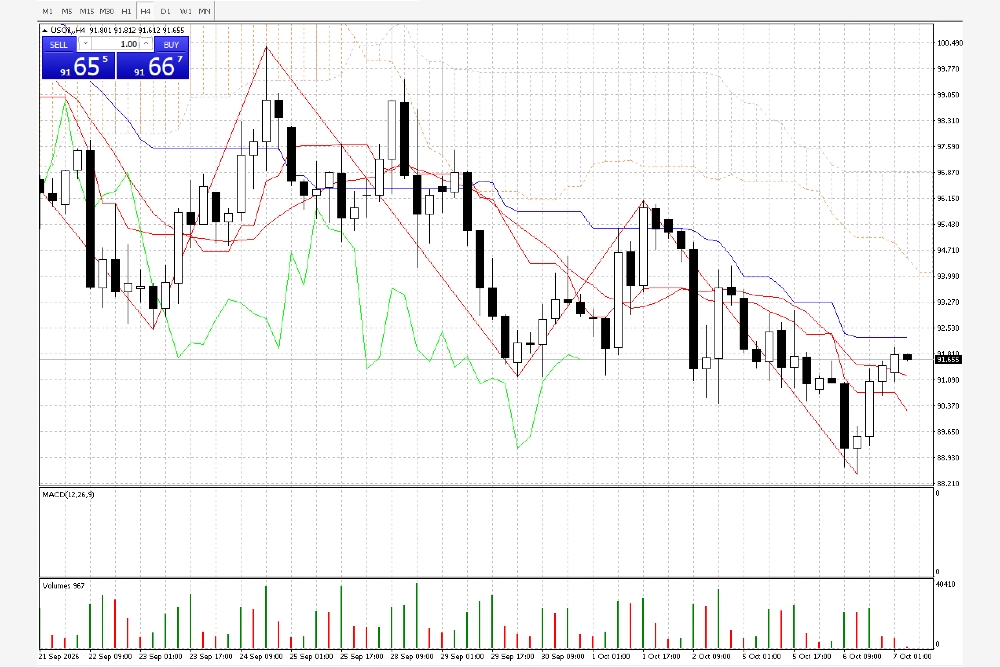
In commodity markets, U.S. crude oil prices remained steady at around $83.40 per barrel. Diplomatic mediation efforts to defuse tensions over the Strait of Hormuz faced new setbacks. Separately, people familiar with the matter revealed that Venezuela is actively reviewing a potential plan to exit OPEC.
In Asian foreign exchange markets, the yen traded near 159.35 against the U.S. dollar, with investors on high alert for possible intervention by Japanese authorities. Japan’s Ministry of Finance is scheduled to release monthly data on its economic intervention expenditures on Friday.
Other asset classes saw muted price movements. Gold traded flat near $4,600 per ounce, while Bitcoin edged slightly higher to settle above $80,000.
U.S. equity sectors posted divergent performances on Thursday. Boosted by NVIDIA’s strong earnings outlook, technology stocks outperformed and lifted major benchmarks, while all other market sectors closed lower overall.
Growing doubts over the sustainability of AI spending are likely to keep volatility elevated in the tech sector. Meanwhile, accelerated investment in artificial intelligence could fuel additional inflationary pressures and push bond yields higher, creating renewed headwinds for financial markets.
[Disclaimer] Forex trading involves risk; please invest with caution. This content is for informational purposes and objective analysis only, and does not constitute any investment advice, basis for buying/selling, or guarantee of returns. Investors should make independent decisions based on their own financial situation and risk tolerance, and bear their own investment risks.
Related Posts