
24/08/2026

U.S. stock futures drifted slightly lower, as rising costs amid the artificial intelligence boom took center stage in global markets, driven by NVIDIA’s price hikes and Alibaba’s multi-billion-dollar share offering. Meanwhile, heightened Sino-U.S. trade tensions pressured the Canadian dollar lower.
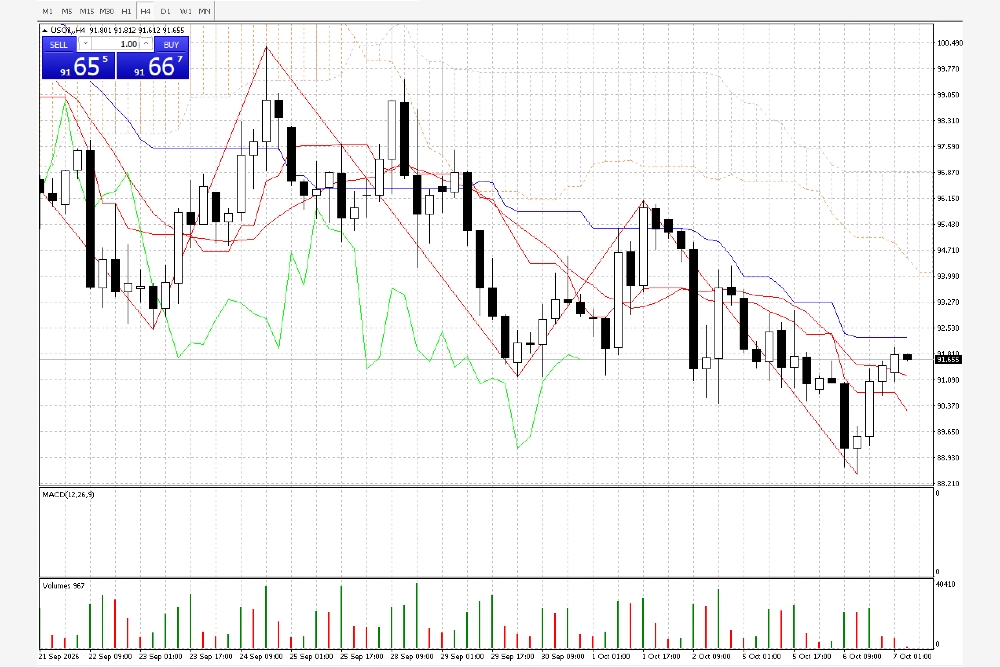
In early Monday trading, Nasdaq 100 futures fell 0.2%, while the U.S. dollar traded in a narrow range against most major currencies. Gold prices steadied after topping $4,600 per ounce last week, supported by U.S. Treasury interventions in the bond market that boosted demand for the precious metal. Crude oil prices also edged down.
According to market sources, NVIDIA has notified key clients of substantial price increases for servers equipped with its AI chips, with most models set to rise by more than 15%. The price hikes will take effect for shipments starting early next year, covering server systems powered by flagship AI chips including the Vera Rubin and Grace Blackwell.
Chinese tech giant Alibaba Group unveiled a major capital raising plan, seeking to raise approximately HK$80 billion (equivalent to US$10.2 billion) through a share placement. This move marks its latest push to secure a leading position in the global artificial intelligence industry. Having transformed from a traditional online retail leader to an AI-focused enterprise, Alibaba plans to deploy the raised capital to build out its full-stack AI capabilities, with a focus on expanding and strengthening its underlying AI infrastructure.
These developments have fueled market concerns over the sustainability of the ongoing AI investment boom. Soaring AI hardware costs are squeezing investment returns and extending corporate payback periods, even as enterprises continue to ramp up spending on AI technologies. Alibaba’s large-scale financing underscores the massive capital requirements for AI expansion, while NVIDIA’s server price increases further add pressure to industry profitability.
In foreign exchange markets, the Canadian dollar tumbled as much as 0.5% in early trading, triggered by the sudden collapse of Canada-U.S. trade negotiations late last Friday. Following the breakdown, the U.S. imposed a 50% tariff on approximately $20 billion worth of Canadian goods. Canadian Prime Minister Mark Carney announced retaliatory tariffs of equal value on U.S. imports effective September 8, prompting threats from the U.S. of further trade escalation if Canada proceeds with the countermeasures.
The U.S. dollar showed mixed performance against major peers, after sliding to a three-month low last week. Investors remain on the sidelines, awaiting new fiscal consolidation measures pledged by U.S. Treasury Secretary Scott Bessent. The U.S. has previously intervened in the bond market to curb borrowing costs, while the Federal Reserve’s annual Jackson Hole Symposium stands as a key focal point for global market participants.
Despite efforts by Secretary Bessent to ease market concerns over U.S. fiscal policy, projections from the Congressional Budget Office paint a bleak outlook. The office forecasts a substantial widening of the U.S. budget deficit over the next decade, with public debt as a share of GDP set to hit a record 120%, highlighting mounting fiscal risks in the United States.
Amid looming U.S. debt crisis risks, renowned investor Ray Dalio has issued asset allocation advice, recommending investors sell bonds and rotate into safe-haven assets including gold and Bitcoin.
[Disclaimer] Forex trading involves risk; please invest with caution. This content is for informational purposes and objective analysis only, and does not constitute any investment advice, basis for buying/selling, or guarantee of returns. Investors should make independent decisions based on their own financial situation and risk tolerance, and bear their own investment risks.
Related Posts