
18/08/2026

Driven by fiscal concerns, inflation expectations and geopolitical tensions, global bond, commodity, equity, foreign exchange and precious metal markets have shown divergent trends. Asian bonds fell in tandem with U.S. Treasury bonds, international crude oil prices edged higher, Asian stock markets generally rallied, the U.S. dollar weakened slightly, and gold extended its upward momentum.
In the bond market, growing concerns over governments’ fiscal positions have pushed yields on U.S. and Asian government bonds higher and pulled prices lower. During early trading, Australian and New Zealand government bond prices declined. The yield on Japan’s 10-year government bond continued its upward run after hitting a multi-decade high on Monday. The yield on the 30-year U.S. Treasury bond surged to 5.32%, the highest level since June 2007. Meanwhile, the 10-year U.S. Treasury yield rose by 3 basis points on Monday and has remained broadly flat at 4.72% for the week.
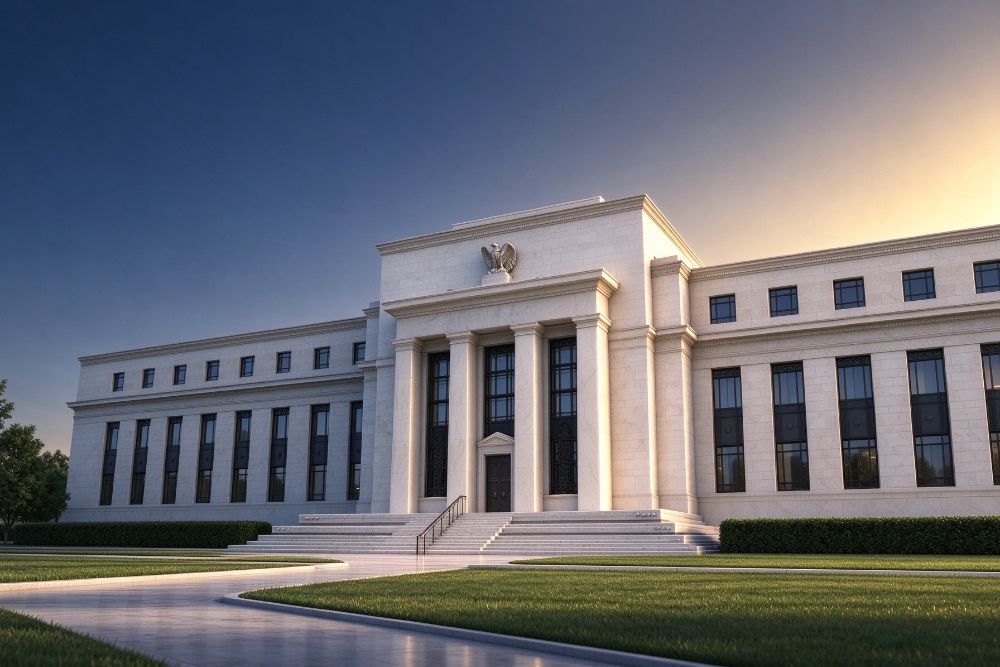
The sustained rise in U.S. Treasury yields mainly reflects market worries about U.S. fiscal conditions and inflationary pressures. Soaring U.S. government spending, a substantial expansion in long-term Treasury issuance, and inflation readings that have consistently exceeded the Federal Reserve’s target over the past five years have continued to weigh on U.S. bond performance. Although two mild U.S. inflation prints released this month have prompted traders to scale back bets on a Fed rate hike next month, market participants remain highly vigilant over bond market risks.
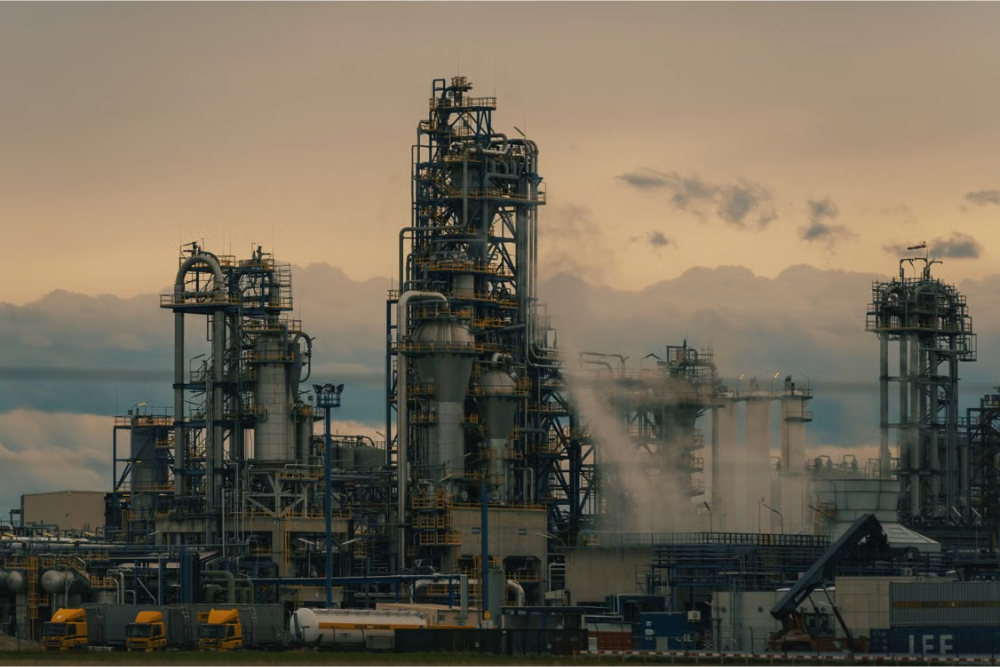
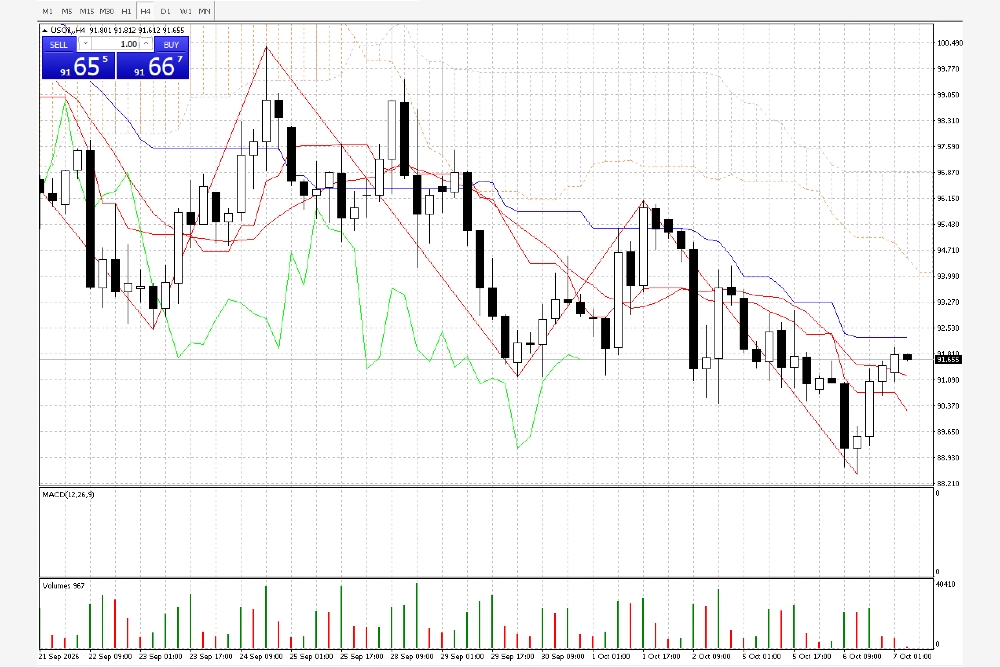
In the commodity market, international crude oil prices posted a modest gain, further stoking expectations of accelerating inflation. Global benchmark Brent crude rose 0.2% to settle at $91.01 per barrel. The uptick in oil prices is primarily driven by worsening geopolitical conditions in the Middle East. Dimming prospects for regional peace and renewed military conflicts have sparked concerns that lingering geopolitical tensions will disrupt oil supplies and push up global energy costs. In addition, U.S. President Donald Trump confirmed he would not extend the expiring Iran oil agreement, heightening uncertainties in the energy market and renewing market concerns over the shipping stability of the critical Strait of Hormuz.
Equity markets saw a broad rally in Asia, standing in contrast to the weaker U.S. stock market performance. The MSCI Asia Index climbed 0.4%. South Korea’s stock market rebounded sharply with a 2.7% gain after resuming trading following a Monday holiday. U.S. stock markets closed lower previously, yet chip stocks outperformed the broader market. Optimism over the artificial intelligence sector was boosted by a substantial revenue increase from AI firm Anthropic PBC, lending strong support to Asian tech-related equities.
The foreign exchange and precious metal markets also saw notable movements, with the U.S. dollar edging down and gold extending its rally. The U.S. Dollar Index continued its mild decline after hitting a five-month low on Monday. The greenback remained under pressure due to receding expectations of Fed rate hikes. Gold prices continued their two-week winning streak amid the weaker dollar, currently trading at around $4,415 per ounce.
The key trigger for the latest surge in Middle East geopolitical risks is the expiration of a 60-day U.S.-Iran peace memorandum of understanding on Monday. The deal was originally designed to create a window for the two sides to negotiate a more durable long-term peace agreement, but President Trump ruled out a renewal of the pact.
[Disclaimer] Forex trading involves risk; please invest with caution. This content is for informational purposes and objective analysis only, and does not constitute any investment advice, basis for buying/selling, or guarantee of returns. Investors should make independent decisions based on their own financial situation and risk tolerance, and bear their own investment risks.
Related Posts