16/07/2026

Asian stock markets have retreated recently amid a massive sell-off in semiconductor stocks, stirring widespread concerns over the sustainability of artificial intelligence (AI) industry growth. Meanwhile, international oil prices have extended their gains amid escalating geopolitical tensions in the Middle East, driving heightened volatility across global capital markets.
In equities trading, the Korea Composite Stock Price Index (KOSPI), a key benchmark for AI investment sentiment, led declines across the Asia-Pacific region, plunging more than 6%, with semiconductor giants Samsung Electronics and SK Hynix among the top losers. Japan’s stock market also faced downward pressure, as memory chip firm Kioxia Holdings tumbled over 13%. The sweeping sell-off in semiconductor stocks dragged the MSCI Asia Pacific Index down by 1.5%, ending its two consecutive days of gains.
To address the sharp market swings, South Korea’s Financial Services Commission announced that it will soon release targeted regulatory measures to curb market volatility triggered by leveraged exchange-traded funds (ETFs) linked to Samsung Electronics and SK Hynix, so as to mitigate irrational fluctuations in the domestic capital market.
Commodity markets moved in the opposite direction, with rising Middle East tensions fueling a sustained rally in crude oil prices. Following the United States’ new round of airstrikes on Iran, Brent crude posted a fourth consecutive day of gains, surging past $85.25 per barrel. Market participants fear further escalation of Middle East conflicts will continue to disrupt global energy supply chains and tighten crude oil supply conditions.
The durability of the AI boom has become the core focus of capital markets. After weeks of violent swings and months of sharp rallies in the semiconductor sector, investors have turned more cautious. Instead of chasing the AI market frenzy blindly, they are focusing on fundamental performance, verifying whether surging capital expenditures in the AI sector can translate into sustained and steady profit growth across the semiconductor supply chain, to justify the sector’s lofty valuations.
Market sentiment is deeply tied to Federal Reserve monetary policy expectations. Lower-than-expected U.S. producer price inflation data for June eased market concerns over near-term Fed rate hikes, pushing U.S. Treasury prices higher and driving a rally in Australian and New Zealand government bonds. Traders have further scaled back their expectations for Fed rate hikes within the year. However, the resurgence of Middle East geopolitical conflicts and soaring oil prices have renewed worries about a rebound in energy-driven inflation, adding greater uncertainty to global monetary policy trends.
Earnings performances of key semiconductor industry players are in the spotlight for market outlook. Lithography giant ASML has raised its annual sales forecast for the second time this year, signaling robust industry prosperity. Investors will closely watch Taiwan Semiconductor Manufacturing Company’s (TSMC) earnings report due later on Thursday to gauge the latest progress of global AI infrastructure development and assess subsequent growth momentum for the semiconductor industry.
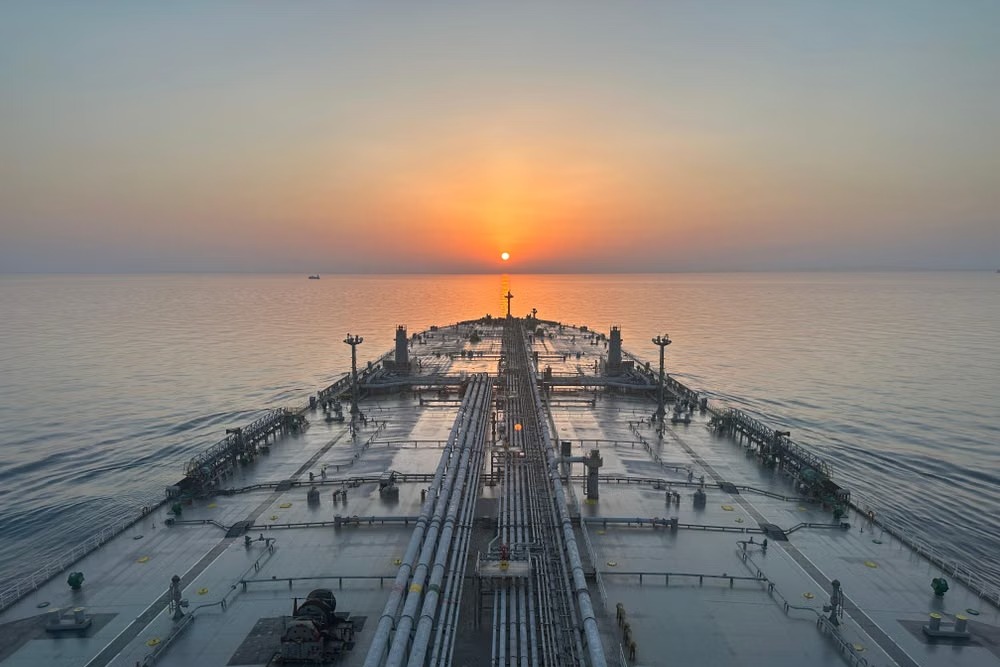
Deteriorating Middle East geopolitics is the core driver of the latest market fluctuations. The interim peace deal between the U.S. and Iran reached one month ago has largely collapsed over the past week, as the two sides engaged in fierce disputes over control of the Strait of Hormuz. As a critical global energy shipping lane, the strait handles the majority of energy exports from major Middle Eastern oil-producing countries including Saudi Arabia, Qatar and the United Arab Emirates, granting it pivotal strategic significance. In the wake of the latest airstrikes, U.S. President Donald Trump stated that he will escalate bombing campaigns until Iran halts attacks on vessels in the Strait of Hormuz and fully opens the vital waterway, leaving the trajectory of Middle East tensions and energy markets highly uncertain.
[Disclaimer] Forex trading involves risk; please invest with caution. This content is for informational purposes and objective analysis only, and does not constitute any investment advice, basis for buying/selling, or guarantee of returns. Investors should make independent decisions based on their own financial situation and risk tolerance, and bear their own investment risks.
Related Posts