

07/07/2026

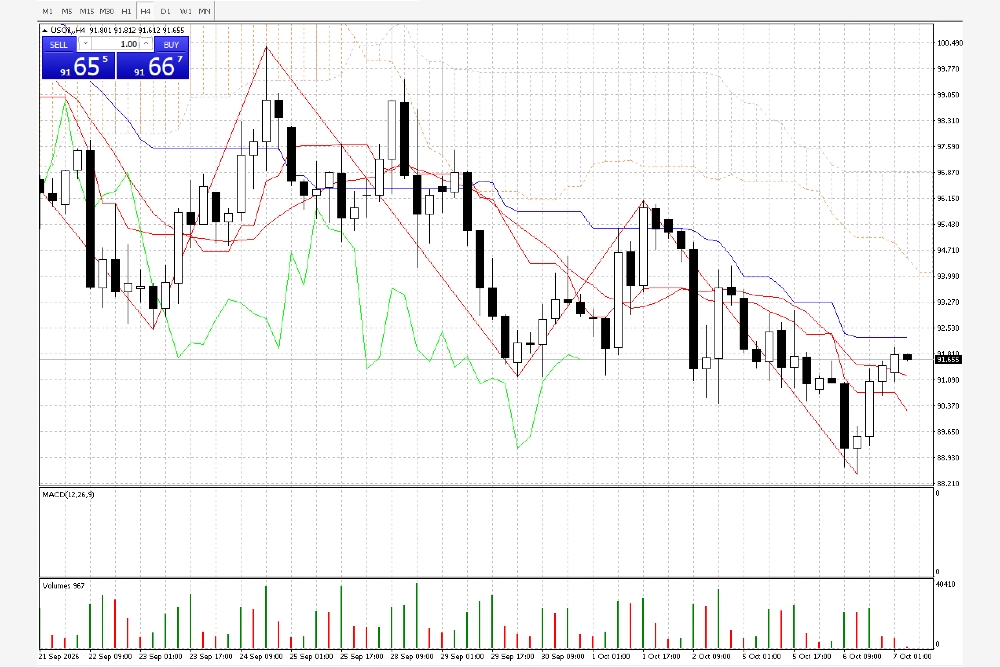
After more than a year of caution, global investors are renewing their interest in India amid improving market sentiment and easing headwinds.
Leading international financial institutions have markedly shifted their stance toward Indian assets. Citi’s India team, following meetings with 36 U.S. clients, noted that institutional demand for Indian assets is picking up. Macquarie also reported a rebound in client inquiries after a prolonged period of subdued market interest. Goldman Sachs has grown more optimistic on India, while Barclays suggests the world’s fastest-growing major economy now presents compelling investment opportunities.
India fell out of favor with global investors previously for two key external reasons. First, global capital flocked to AI-driven markets such as South Korea and Taiwan, diverting funds away from India. Second, energy shocks stemming from U.S.-Iran tensions intensified concerns over India’s external fiscal position, pushing the rupee to historic lows and further dampening market confidence. As these pressures gradually subside, institutional and investor appetite for Indian domestic assets has been on the rise.
Citi’s India CEO stated in an interview that India’s 18-month negative market cycle is rapidly drawing to a close, marking an inflection point in investor sentiment. With a narrowing fiscal deficit and an end to the rupee’s slump, global investors are refocusing on India’s long-term growth potential.
Proactive policy measures have further bolstered economic recovery and market confidence. Authorities have rolled out initiatives to attract foreign capital into government bonds and stabilize the rupee, effectively lifting sentiment among both domestic and overseas investors.
These positive shifts are clearly reflected in market performance. In June, Indian equities outperformed other emerging markets, posting the largest monthly gain in seven months. Foreign investors injected a record $4.4 billion into index-eligible Indian government bonds, while equity outflows fell to a four-month low. The rupee also rebounded, emerging as one of Asia’s strongest performing currencies last month.
Mounting volatility in AI-focused markets has become a new catalyst for India’s appeal. As investors grow skeptical about the sustainability of rallies in AI-heavy markets including South Korea and Taiwan, India’s lack of AI-centric investment exposure has turned from a weakness into a defensive advantage, attracting risk-averse capital flows.
Low market volatility remains one of India’s key competitive strengths among emerging markets. In the first half of 2026, India’s Nifty Index recorded only 38 trading days with swings of 1% or more. In contrast, the MSCI Emerging Markets Index and MSCI Asia Index saw 59 such volatile sessions, while South Korea’s KOSPI posted as many as 79, underscoring India’s superior market stability.
Favorable oil price dynamics have further supported India’s economy and markets. Brent crude plunged approximately 30% in June, falling back to pre-conflict levels and easing pressure on India, the world’s third-largest oil importer. The oil price decline prompted Citi to upgrade India’s growth outlook, while Goldman Sachs turned positive on India’s 30-year government bonds, citing alleviated inflation and fiscal risks.
Barclays economists highlighted in a recent report that India’s valuation has become far more reasonable after a period of adjustment. Once considered overvalued a year ago, the Indian economy now offers attractive valuations while retaining a robust growth rate of nearly 7%, delivering strong growth prospects and improved investment value.
Nevertheless, material risks remain. Weak monsoon rainfall, exacerbated by El Niño developments, poses an immediate threat by potentially curbing crop output and pushing up food inflation. Additionally, a stronger U.S. dollar and prolonged high U.S. interest rates could continue to weigh on foreign capital inflows.
Indian policymakers continue to roll out supportive measures to stabilize markets. The removal of taxes on foreign holdings of government bonds drove record inflows into index-qualified sovereign debt. Meanwhile, the central bank has introduced preferential swap facilities to attract U.S. dollar borrowings from overseas, injecting liquidity and stabilizing market expectations.
[Disclaimer] Forex trading involves risk; please invest with caution. This content is for informational purposes and objective analysis only, and does not constitute any investment advice, basis for buying/selling, or guarantee of returns. Investors should make independent decisions based on their own financial situation and risk tolerance, and bear their own investment risks.
Related Posts