
07/07/2026

Asian equity markets edged lower recently amid renewed selling pressure on technology stocks. Notably, Samsung Electronics saw its share price decline despite releasing better-than-expected financial results, emerging as a key drag on regional market performance.
The MSCI Asia Pacific Index fell 0.6%, with declining stocks outnumbering advancing ones, and the technology sector leading the losses. Samsung Electronics, the industry bellwether, plunged more than 6% even after its quarterly profit surged 19 times year-on-year. The sharp drop weighed heavily on South Korea’s KOSPI index, which tumbled 4.3%. The country’s broader chip sector also weakened, with SK Hynix’s shares down 4.2% after the firm officially launched marketing preparations for its U.S. listing.
U.S. stock futures trended lower during Asian morning trading. The Nasdaq 100 futures, which track leading tech stocks, dipped 0.4%, signalling that Wall Street’s rebound on Monday was likely a short-lived bounce rather than a sustained recovery.
Commodity markets showed divergent movements. Geopolitical risks roiled the energy sector after a reported oil tanker collision in the Strait of Hormuz, underscoring persistent safety risks for vessels passing through the critical global shipping lane. Brent crude rose 0.4% to settle at around $72.25 per barrel.
Heightened volatility in global tech stocks has left investors cautious, who are seeking fresh evidence to gauge the sustainability of the artificial intelligence (AI) market rally. Even as U.S. semiconductor stocks notched fresh quarterly highs, market focus has shifted to key industry challenges: surging capital expenditure, intensifying competition, and whether earnings growth from rapid capacity expansion can live up to lofty market valuations and high investor expectations.
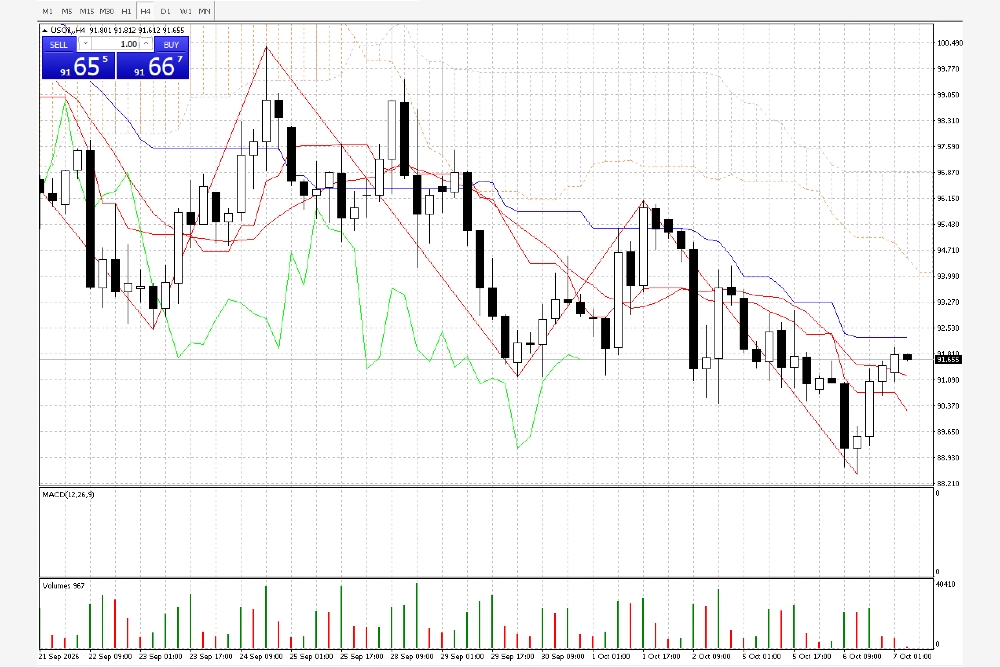
In forex and bond markets, the Japanese yen weakened slightly against the U.S. dollar to around 162.15. Positioning data revealed that hedge funds’ bearish bets on the yen have hit their highest level since 2007, continuing to pressure the currency.
Bond markets traded with muted volatility. U.S. Treasury prices rose on Monday amid expectations of a less hawkish stance from the Federal Reserve, though overall weekly movements remained limited. Japanese government bond futures advanced ahead of a scheduled 30-year JGB auction, which will serve as a key test of investor appetite.
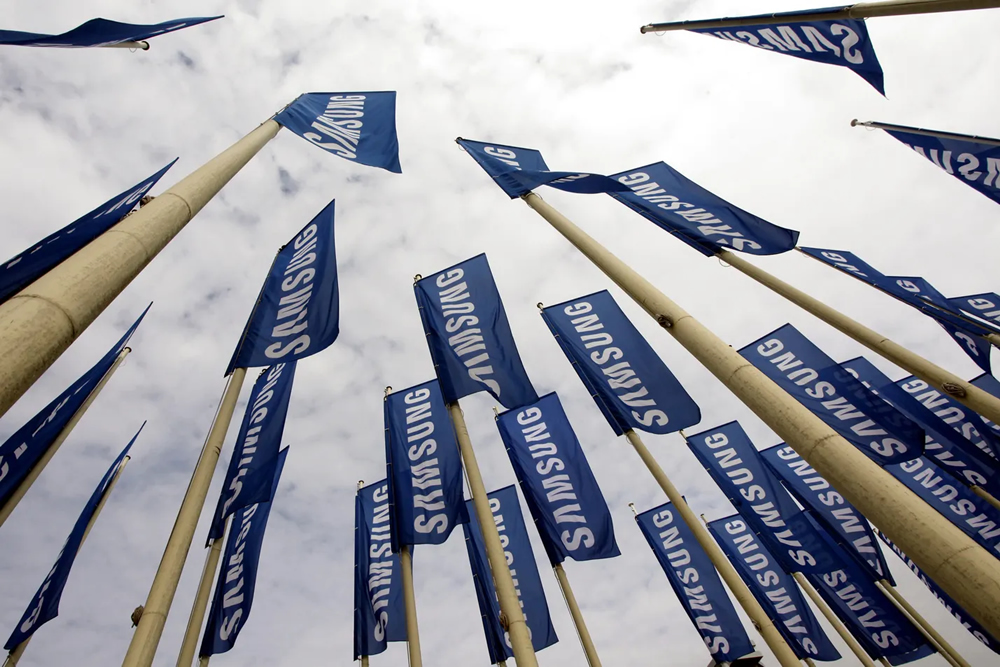
Samsung Electronics’ latest quarterly earnings report stood as the core catalyst for Asian market fluctuations. Fueled by explosive demand for memory chips from AI data centers, the company delivered far stronger-than-forecast quarterly results. The world’s largest memory chip maker reported preliminary operating revenue of 89.4 trillion South Korean won (equivalent to 58 billion U.S. dollars) for the three months ending June. The figure outstripped analysts’ average forecast of 84.2 trillion won and exceeded the company’s full-year performance guidance for 2025.
[Disclaimer] Forex trading involves risk; please invest with caution. This content is for informational purposes and objective analysis only, and does not constitute any investment advice, basis for buying/selling, or guarantee of returns. Investors should make independent decisions based on their own financial situation and risk tolerance, and bear their own investment risks.
Related Posts