09/06/2026

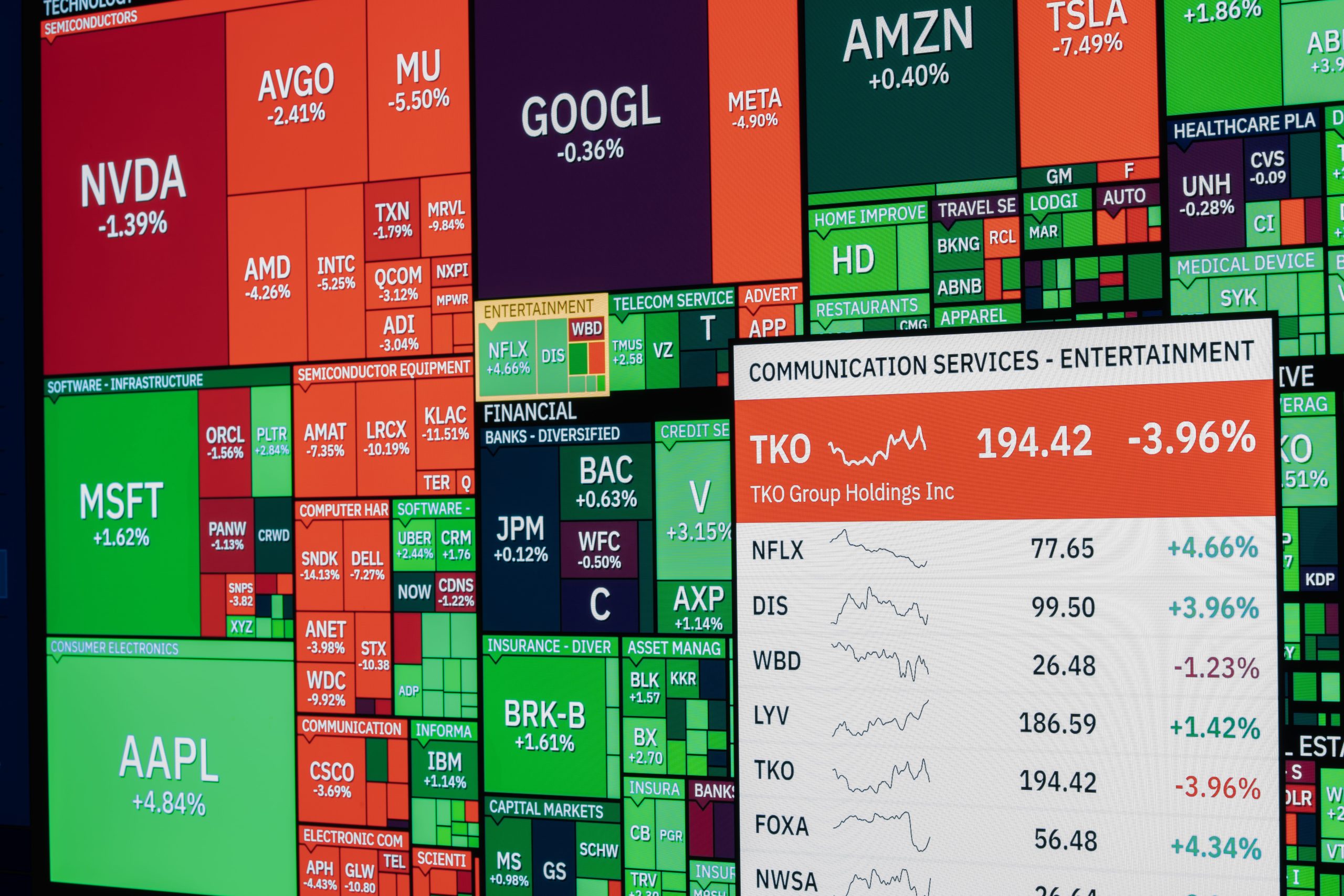
Following a short-term sell-off in artificial intelligence stocks, global stock markets staged a corrective rebound, with the rally spreading from Wall Street across Asian markets. Valuations of AI-related equities have returned to reasonable levels, attracting substantial bargain-hunting capital. Meanwhile, easing geopolitical tensions in the Middle East have driven a moderate decline in international crude oil prices, lifting overall market sentiment.
1. Global Stock Markets Rally, Led by Strong AI and Semiconductor Gains in Asia
Asian-Pacific markets posted a notable recovery. After suffering their steepest single-day drop since March on Monday, the MSCI Asia Pacific Index rebounded by nearly 2%. South Korea’s market stood out prominently, with the KOSPI Composite Index surging more than 5%. Capital flowed back into the AI sector, and SK Hynix, a leading chipmaker, saw its stock price soar 11%, leading the market rally.
The current rebound originated in the U.S. market. U.S. stocks had previously stabilized and rebounded, with the Nasdaq 100 Index rising 1.6% and the overall semiconductor sector gaining over 5%. U.S. stock index futures continued to climb, pointing to further gains for benchmark U.S. equity indices, while European stocks are set for a weak opening, diverging from the upward trend in American and Asian markets.
Market optimism toward the technology and AI sectors remains robust, supported by multiple positive catalysts. Firstly, SpaceX’s initial public offering was heavily oversubscribed, highlighting strong investor demand for high-quality tech assets. Secondly, NVIDIA and SK Hynix have entered a partnership for joint chip development, bolstering growth expectations for the semiconductor industry. In addition, Apple has launched an AI-driven business revitalization plan, laying the groundwork for the launch of its new devices and further boosting industry confidence.
2. Divergent Trends in Commodities: Oil Drops While Gold Faces Downward Pressure
Easing geopolitical tensions have been the core driver of commodity market movements. Iran and Israel have agreed to de-escalate airstrikes and ease regional tensions, creating favorable conditions for Middle East peace talks. The cooling risk sentiment dragged down international crude oil prices, with Brent crude falling nearly 1% to around $93.40 per barrel. The Bloomberg Dollar Spot Index also edged slightly lower.
Market attention remains focused on the recovery of energy shipping through the Strait of Hormuz. Escalating regional conflicts previously heightened shipping risks, prompting some merchant vessels to turn off their transponders and suspend voyages. With the easing of tensions, a small number of merchant ships have resumed operations over the weekend, though a full recovery of shipping activity remains to be seen.
Gold prices remained relatively stable, trading at around $4,340 per ounce. However, Citigroup downgraded its short-term outlook for gold, cutting its three-month target price to $4,000 per ounce. The adjustment is driven by growing market expectations for Federal Reserve rate hikes, which are capping gold’s upside potential.
3. Split Bond Market; Rate Hike and Inflation Expectations Dominate Market Trends
Global bond markets showed divergent performance. U.S. Treasury prices traded range-bound with minimal volatility, with the benchmark 10-year U.S. Treasury yield steady at 4.56%. In contrast, 10-year government bond prices in Japan and Australia declined.
Market expectations for monetary policy tightening continue to build. Strong U.S. nonfarm payroll data released last Friday further reinforced expectations of Federal Reserve rate hikes. Fluctuations in oil prices and inflation trends have become key focal points for traders.
Forward-looking inflation signals are emerging, with markets awaiting key data releases. The U.S. Consumer Price Index (CPI) for May, due for release on Wednesday, is expected to rise 4.2% year-on-year, marking the highest reading in more than three years. Meanwhile, the month-on-month growth of core CPI is projected to moderate slightly, which could deliver a modest positive signal for the Federal Reserve’s monetary policy adjustments. Easing Middle East tensions have also significantly eased market concerns over oil-driven inflationary pressures and prolonged central bank rate hikes.
4. Divided Market Views Cloud the Sustainability of the Bull Market
The ongoing stock market rebound represents a cautious recovery after a pullback from historic highs. After halting its record-breaking rally, the market has seen gradual capital inflows. Most investors believe improving corporate earnings will sustain the bull market, supporting overall positive market sentiment.
Nevertheless, market divergence is widening amid emerging risk warnings. Bank of America Securities noted that bearish signals for U.S. stocks are on the rise, suggesting the market is nearing a peak. The institution cautioned investors to remain prudent about U.S. equity performances and avoid blind bullish bets.
[Disclaimer] Forex trading involves risk; please invest with caution. This content is for informational purposes and objective analysis only, and does not constitute any investment advice, basis for buying/selling, or guarantee of returns. Investors should make independent decisions based on their own financial situation and risk tolerance, and bear their own investment risks.