
24/07/2026

Asian equities tracked Wall Street lower amid growing investor doubts over whether billions of dollars in global artificial intelligence (AI) investment will deliver sufficient returns. Meanwhile, geopolitical turmoil disrupted global energy supplies, pushing Brent crude oil prices above $100 per barrel. The confluence of multiple headwinds has dampened market sentiment significantly, heightening uncertainties surrounding global inflation and monetary policies.
1. Broad Asian Stock Declines Led by Semiconductor Selloffs
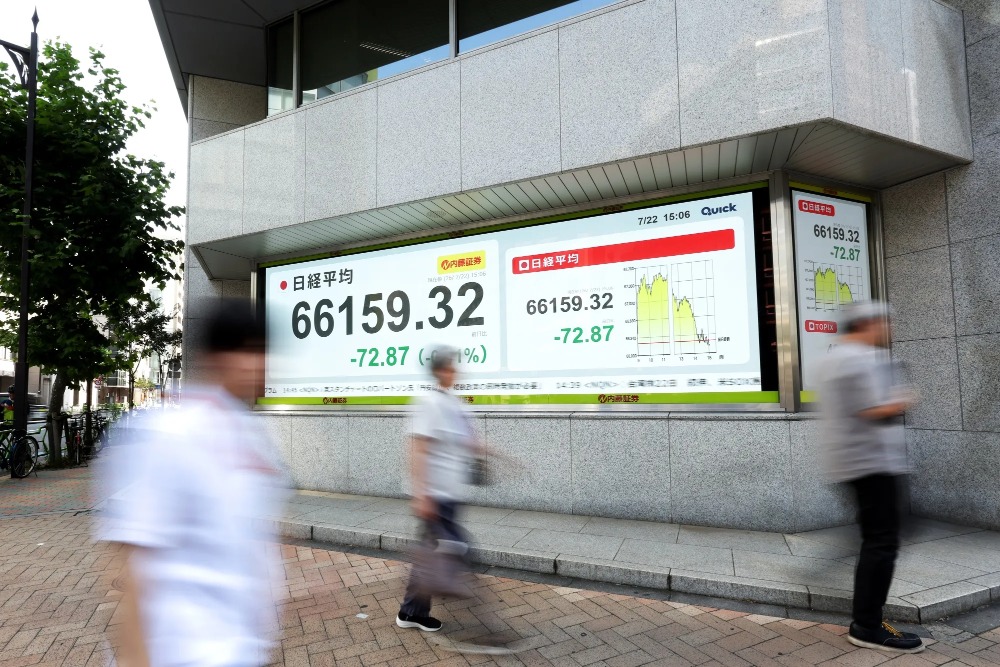
Asia-Pacific markets suffered a notable pullback. The MSCI Asia Pacific Index fell 1%, with Japanese and South Korean benchmark indices both slumping more than 2%, marking their worst single-day performance since the tariff-triggered market plunge in April 2025.
The semiconductor sector bore the brunt of the losses, with leading industry names tumbling sharply. Samsung Electronics, SK Hynix and Kioxia Holdings all dropped over 3%. The tech-led market selloff stems from widespread investor skepticism regarding the profitability of massive global AI investments, as markets now demand tangible earnings growth to justify large-scale AI spending by corporations.
Major U.S. tech giants have aggressively expanded their AI footprint. Alphabet, Meta Platforms, Microsoft and Amazon previously announced combined AI capital expenditures of up to $725 billion for the year. However, hefty investment plans failed to shore up market confidence. Alphabet sank 7.1% after raising its capital expenditure outlook, while Tesla plummeted 15% despite strong vehicle delivery figures, dragged down by disappointing profit results.
2. Geopolitical Conflicts Propel Crude Oil Above $100, Fuelling Inflation Risks
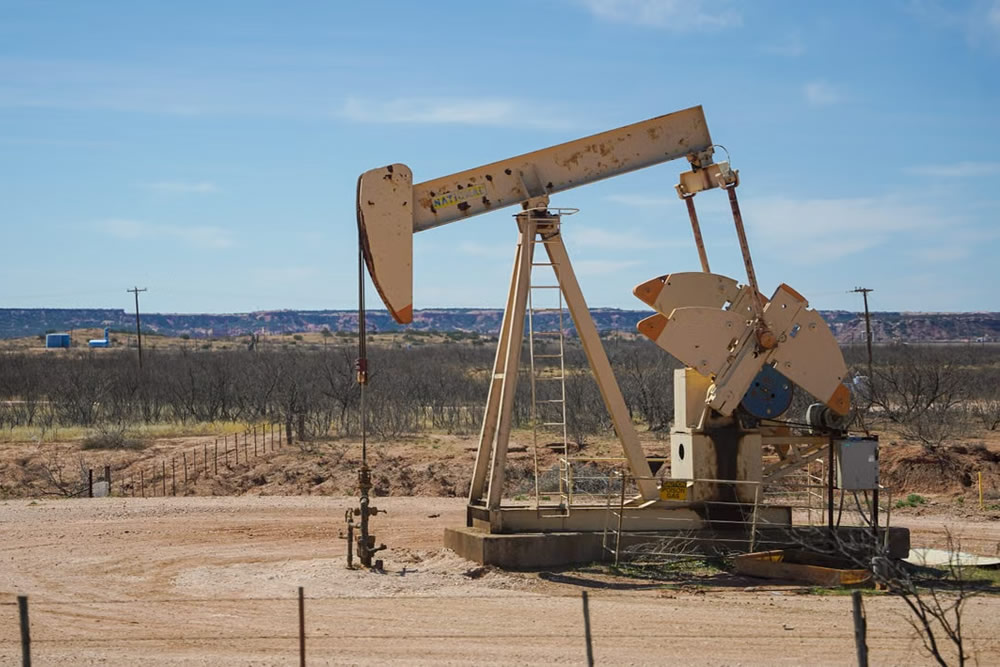
Energy market volatility emerged as another key driver of global market swings, with Brent crude oil climbing to around $100.30 per barrel and breaking the $100 threshold. A series of escalating geopolitical risks disrupted global energy supply chains and fueled the sharp rally in oil prices.
The ongoing Red Sea crisis intensified after Houthi militants attacked two Saudi Arabian oil tankers, raising the risk of widespread global crude supply disruptions. Concurrently, U.S. President Donald Trump threatened to escalate conflicts with Iran, further amplifying geopolitical uncertainties in the Middle East. In addition, multiple attacks targeted the Caspian Pipeline Consortium terminal on Russia’s Black Sea coast, a major export hub handling most of Kazakhstan’s crude oil exports, severely disrupting Central Asian crude shipment routes.
Months of persistent geopolitical tensions have depleted global crude inventories and tightened supply conditions. Industry warnings suggest sustained oil price rallies will mount substantial pressure on global economic recovery. Bob McNally, President of Rapidan Energy Group and former White House official, noted in a Bloomberg TV interview that the latest wave of secondary geopolitical conflicts covers a broader scope, posing severe risks to global shipping networks and energy infrastructure.
3. Global Asset Volatility Complicates Monetary Policy Outlooks
Soaring oil prices triggered a chain reaction across global asset markets and stoked inflation expectations, complicating the monetary policy trajectories of major economies. Traders priced in heightened inflation risks and rising interest rates, driving U.S. Treasury prices lower and boosting the U.S. dollar during U.S. trading hours. Money markets have fully priced in a September Fed rate hike, adding significant uncertainty to the Federal Reserve’s upcoming policy meeting.
The European Central Bank (ECB) has also signaled a potential rate hike in September. Policymakers voted to hold the deposit rate steady at 2.25% in the latest meeting while leaving ample room for a September policy tightening, with hike odds rising markedly.
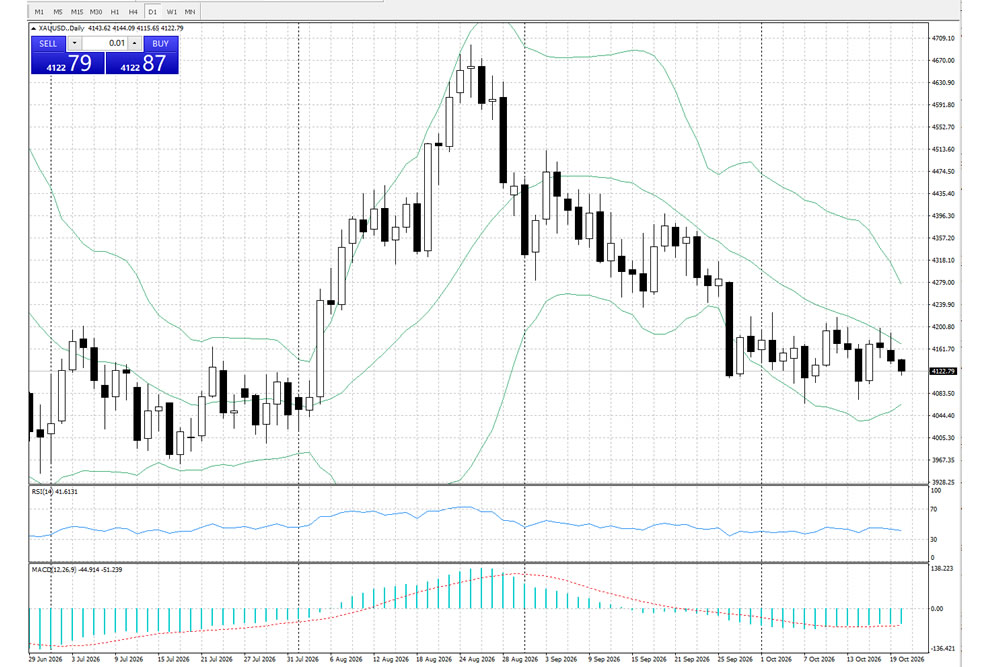
In commodity markets, rising rate expectations weighed on non-yielding assets. Gold prices retreated to around $4,050 per ounce after a 2% drop on Thursday.
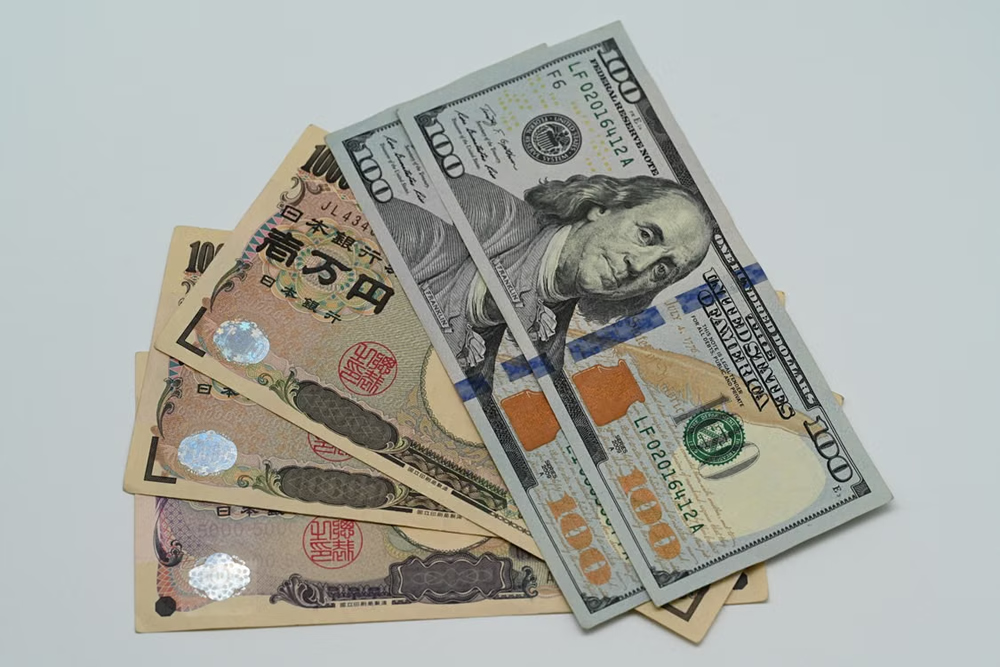
Global bond and forex markets faced synchronized volatility. Australian and New Zealand bonds traded lower in early Friday trade, while U.S. Treasury yields climbed to their highest levels of the year. The Japanese yen extended its downtrend, trading around 163.93 against the U.S. dollar. Japan’s key inflation gauge rebounded for the first time in three months, spurring market expectations of another Bank of Japan rate hike within the year.
4. U.S. Tariff Escalation Adds Global Trade Uncertainties
Persistent trade policy headwinds continued to roil markets. The U.S. ramped up tariff measures, imposing duties of 10% to 12.5% on imports from most major trading partners. This represents Washington’s largest move to rebuild tariff barriers since the Supreme Court struck down previous tariff policies, further elevating uncertainties for global trade and capital markets.
[Disclaimer] Forex trading involves risk; please invest with caution. This content is for informational purposes and objective analysis only, and does not constitute any investment advice, basis for buying/selling, or guarantee of returns. Investors should make independent decisions based on their own financial situation and risk tolerance, and bear their own investment risks.
Related Posts