
08/06/2026

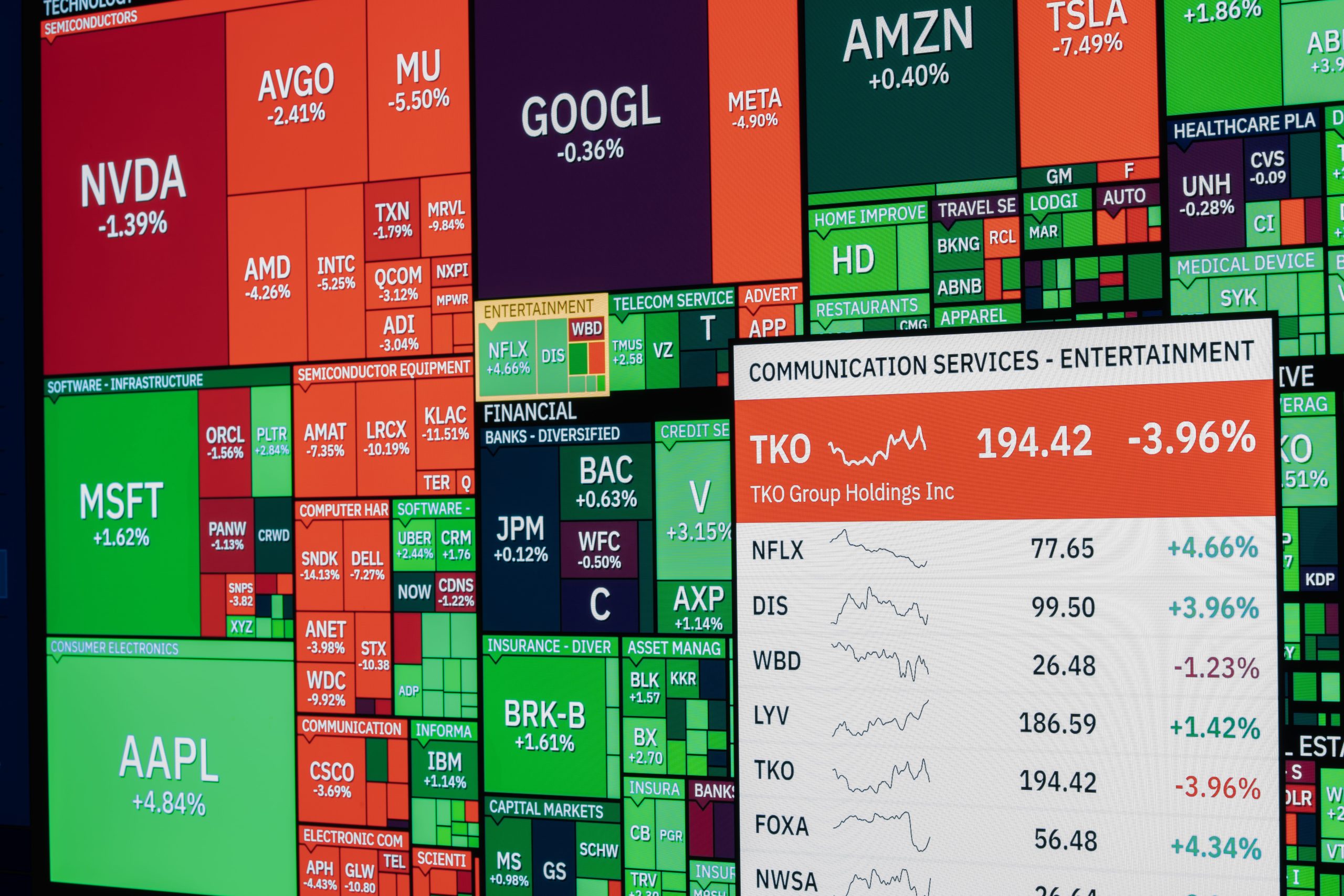
Market concerns are growing over excessive position concentration among hedge funds, a trend that could significantly amplify systemic crisis risks. After months of steady gains, global equities plunged sharply on Friday, reviving fears that mass unwinding of crowded trades could deepen market losses and magnify volatility during episodes of stress.
Prior to the recent sell-off, global stock markets had rallied relentlessly to record highs despite persistent geopolitical conflicts and elevated inflation pressures. The rally was led by a powerful AI-driven surge in semiconductor stocks, accompanied by record leverage in exchange-traded funds and highly dispersed market volatility. Against this backdrop, worries over concentrated trading risks have intensified, with investors increasingly alert to their potential to exacerbate future market shocks.
A central and mounting structural risk stems from the mechanics of multi-strategy hedge funds. Portfolio managers across different firms tend to pursue highly similar trading strategies, resulting in widespread market crowding and homogenized positioning. While individual funds maintain rigorous internal risk controls, the systemic convergence generated by over-the-counter derivative trades cannot be fully captured or mitigated by firm-level risk management, allowing hidden systemic risks to build up steadily.
Parallel to these developments, the structured note market has expanded rapidly, driven largely by retail investor demand for enhanced yield instruments. These debt-like securities deliver returns linked to underlying assets such as equity indices or individual stocks. Industry data shows that global structured note sales are on track to exceed $1 trillion this year, hitting an all-time high. Auto-callable notes remain the most popular product category, with global issuance jumping 45 percent year-on-year in the first five months of the year, and U.S. issuance surging by 64 percent over the same period.
In designing structured products, banks recycle and hedge risks to offset exposures including volatility and dividend risk. Through back-to-back transaction structures, banks separate product origination and distribution from risk-bearing activities, with hedge funds stepping in to absorb the residual risk gap.
The current model marks a notable shift from the pre-2008 financial crisis era. In the past, banks retained substantial risk exposure from structured products on their balance sheets over the long term, securitizing and transferring only a minor portion of the risks. However, the trend of externalizing risk has accelerated markedly over the past one to two years.
As senior banking executives increasingly move to hedge funds to build exotic derivative trading desks, financial institutions have further shifted their risk management approach. Banks now routinely offload virtually all auto-callable product risks via back-to-back trades, transferring the full risk burden to hedge funds. This operating model allows banks to expand retail structured product offerings and fuel market growth, while concentrating most latent systemic risks within the hedge fund sector and creating a steadily accumulating systemic vulnerability.
[Disclaimer] Forex trading involves risk; please invest with caution. This content is for informational purposes and objective analysis only, and does not constitute any investment advice, basis for buying/selling, or guarantee of returns. Investors should make independent decisions based on their own financial situation and risk tolerance, and bear their own investment risks.