
25/05/2026

Buoyed by news that the United States and Iran are close to reaching a deal to reopen the Strait of Hormuz and resume oil shipments, crude oil prices have tumbled, significantly boosting global risk sentiment. Major global stock indexes have rallied to near record highs, the U.S. dollar has weakened, and synchronous movements have been seen in precious metals and bond markets.
1. Broad-Based Rally Across Global Financial Markets
Global equity markets posted widespread gains with key benchmarks surging higher. The MSCI All Country World Index, the most comprehensive measure of global stock performance, rose 0.3%, nearing the record high set earlier this month. Asian equities outperformed, climbing 1.4% overall. Japan’s Nikkei Index soared more than 3% to hit a fresh all-time high, led by technology stocks. S&P 500 futures advanced 0.9%, also setting a new record peak.
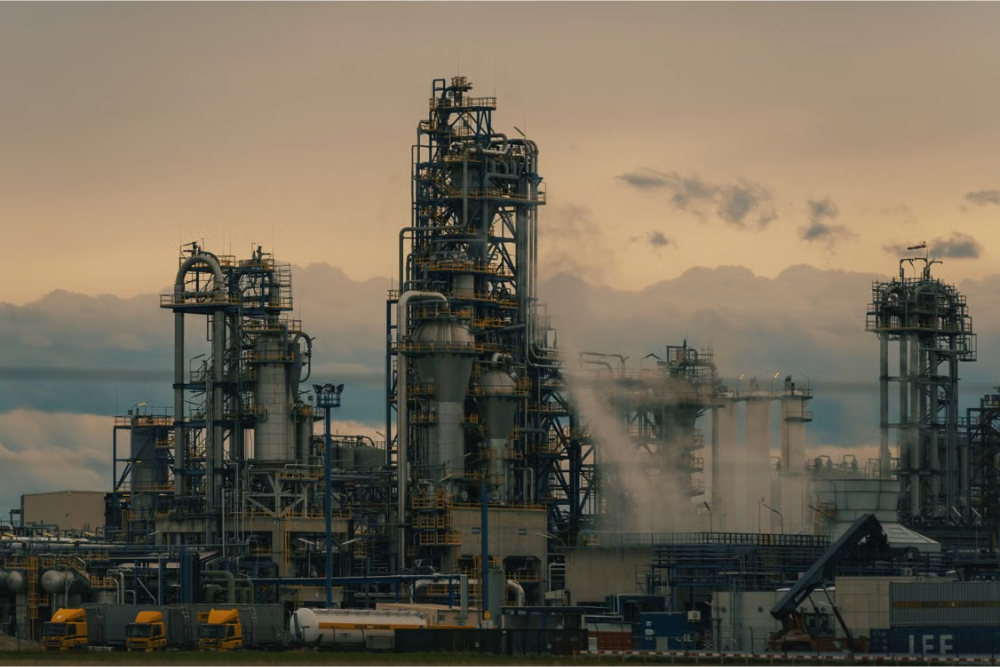
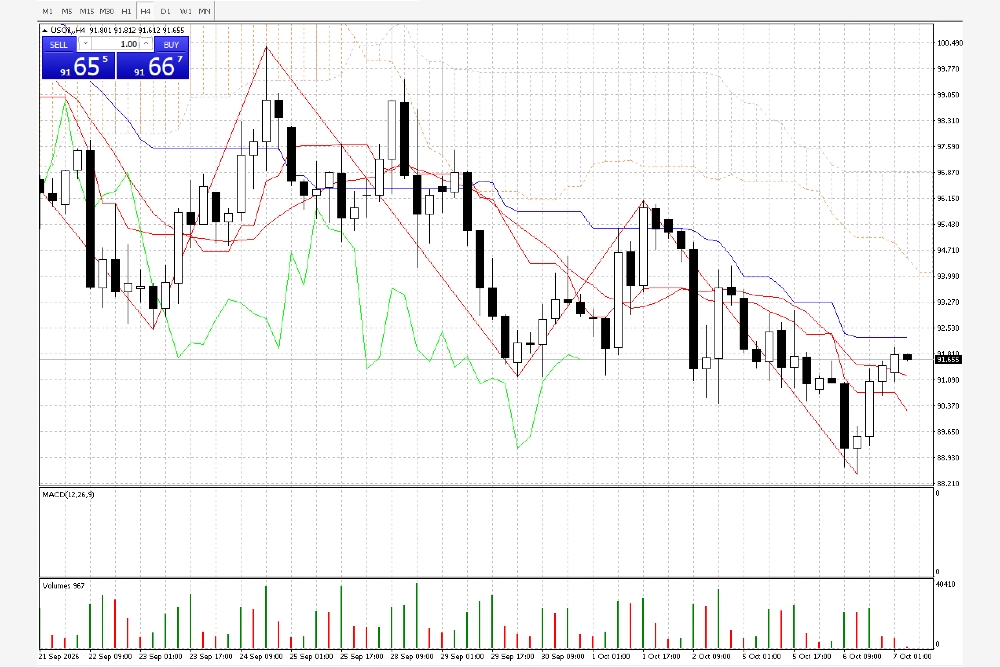
Commodity markets showed clear divergence. Optimism over the resumption of oil flows through the critical Middle Eastern shipping artery drove Brent crude down more than 5% to $97.70 per barrel, its lowest level in over two weeks. The pullback in oil prices has cooled market inflation expectations, benefiting non-interest-bearing assets and pushing gold and silver prices higher.
Currency and bond markets saw synchronized fluctuations. The U.S. dollar weakened broadly against all G10 currencies. Easing inflation expectations raised the likelihood of central bank rate cuts, lifting U.S. Treasury futures prices and driving down government bond yields in Japan and Australia. Cash trading was closed on Monday due to public holidays in the United States, Hong Kong and London.
2. U.S.-Iran Negotiations Make Key Progress With Lingering Uncertainties
Senior U.S. officials indicated on Sunday that Washington and Tehran are on the verge of finalizing an agreement to reopen the Strait of Hormuz. However, core clauses remain under negotiation, and final approval from both sides is expected to take several more days. The breakthrough follows weeks of deadlock, greatly improving global market risk appetite.
According to a report by The Washington Post, the two countries have reached a memorandum of understanding to extend a 60-day ceasefire, laying the groundwork for a permanent peace deal. As part of the arrangement, the Strait of Hormuz will be demined and fully reopened to traffic. Shipping activity has already shown signs of recovery: within 24 hours, 33 vessels including oil tankers and container ships passed through the strait with authorization from the Islamic Revolutionary Guard Corps Navy.
Nevertheless, significant uncertainties persist. Iran’s Tasnim News Agency warned that the draft deal could still collapse due to U.S. obstruction of key terms, particularly Tehran’s demand for the unfreezing of its overseas assets. U.S. officials have also struck a cautious tone. President Donald Trump stated that he would not rush to sign the agreement. Secretary of State Marco Rubio noted that the deal is still under negotiation, emphasizing that the U.S. will pursue a diplomatic solution and advising markets against overinterpreting short-term developments.
3. Market Focus and Federal Reserve Policy Outlook
Inflation and monetary policy remain the core focus for traders, who have fully priced in expectations for Federal Reserve rate hikes before the end of the year. Upcoming U.S. Personal Consumption Expenditures (PCE) data and inflation figures across Europe will offer critical clues on global price pressures and the future path of interest rates.
The Federal Reserve has ushered in major institutional changes. New Fed Chair Kevin Walsh was sworn in on Friday and plans to launch the central bank’s most extensive structural overhaul in decades. President Trump has publicly affirmed Walsh’s policy independence, easing market concerns over political interference in Federal Reserve decision-making.
4. China Intensifies Regulation on Cross-Border Capital Transactions
Amid global market volatility, China has launched an unprecedented campaign to crack down on illegal cross-border transactions and curb capital outflows. Regulators have vowed to impose severe penalties on non-compliant brokerage institutions and ordered the liquidation of all irregular accounts within two years, aiming to standardize cross-border capital trading practices and stabilize domestic financial markets.
[Disclaimer] Forex trading involves risk; please invest with caution. This content is for informational purposes and objective analysis only, and does not constitute any investment advice, basis for buying/selling, or guarantee of returns. Investors should make independent decisions based on their own financial situation and risk tolerance, and bear their own investment risks.
Related Posts