08/05/2026

On the final trading day of the week, global equity markets retreated from record highs while crude oil prices edged higher. Escalating geopolitical tensions in the Middle East stoked concerns over energy supply disruptions, testing the sustainability of the stock market’s historic rally.
- Global Equities Decline; Asian Markets Maintain Winning Streak
The MSCI All Country World Index, a broad gauge of global stocks, fell by 0.3%. Heightened U.S.-Iran tensions fueled fears that rising energy costs could weigh on economic growth, thereby pressuring equity performance. Asian equities tumbled 1.2%, pulling back from record closing levels.
Despite Friday’s losses, Asian markets secured weekly gains, marking five consecutive weeks of advances — the longest winning streak since January. Following U.S. military strikes against Iran over attacks on American naval destroyers in the Strait of Hormuz, futures signaled extended losses across European markets. In contrast, U.S. stock futures rose 0.2%, reflecting market resilience.
- U.S.-Iran Standoff Continues; Strait of Hormuz Remains Tense
U.S. President Donald Trump issued a public warning, threatening to impose “much stronger” sanctions on Iran if a new agreement was not reached promptly. During a phone interview with ABC News, Trump described the recent military action as minor and stated that the existing ceasefire with Iran remained intact.
The Trump administration previously launched a maritime security initiative named the “Freedom Plan” to secure vessel passage through the Strait of Hormuz, before abruptly suspending it. According to reports from the Wall Street Journal, Saudi Arabia and Kuwait have lifted restrictions on U.S. military access to their regional bases, paving the way for Washington to resume the maritime security operation. The U.S. is awaiting Iran’s response to the strait reopening proposal. Nevertheless, an Iranian official stated via Press TV that Iran would reject any unrealistic reopening plan, leaving heightened tensions persisting across the Persian Gulf and Lebanon.
- Commodities and Bonds: Oil Rebounds and Gold Edges Up
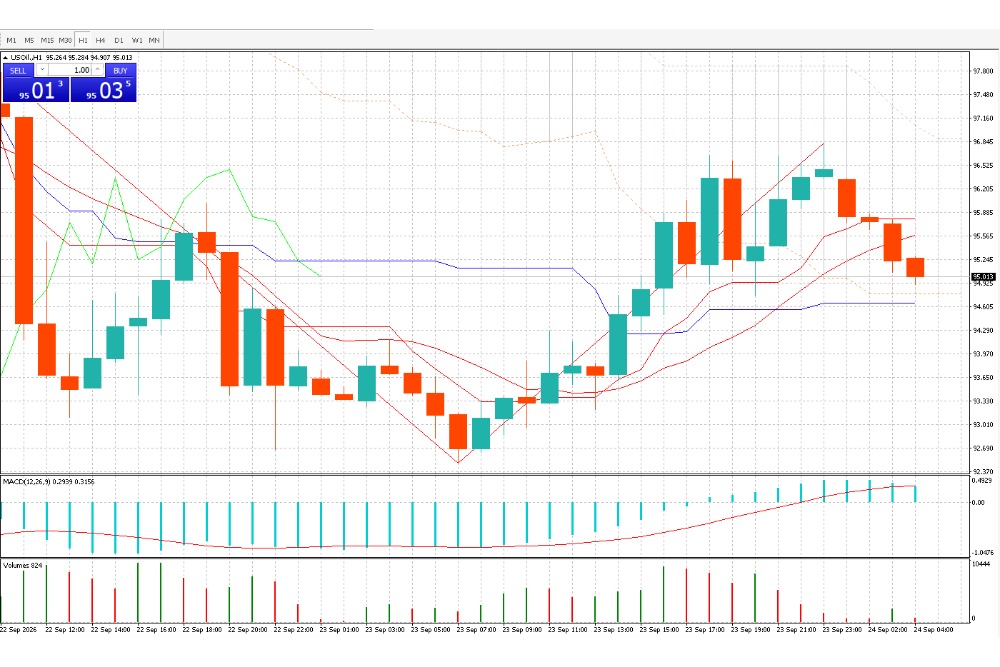
Amid mounting shipping risks in the Strait of Hormuz, traders worried about energy supply disruptions, driving crude oil prices higher. Brent crude climbed 1.2% to approximately $101 per barrel. Nonetheless, the benchmark oil contract has slumped more than 6% for the week, registering sharp volatility.
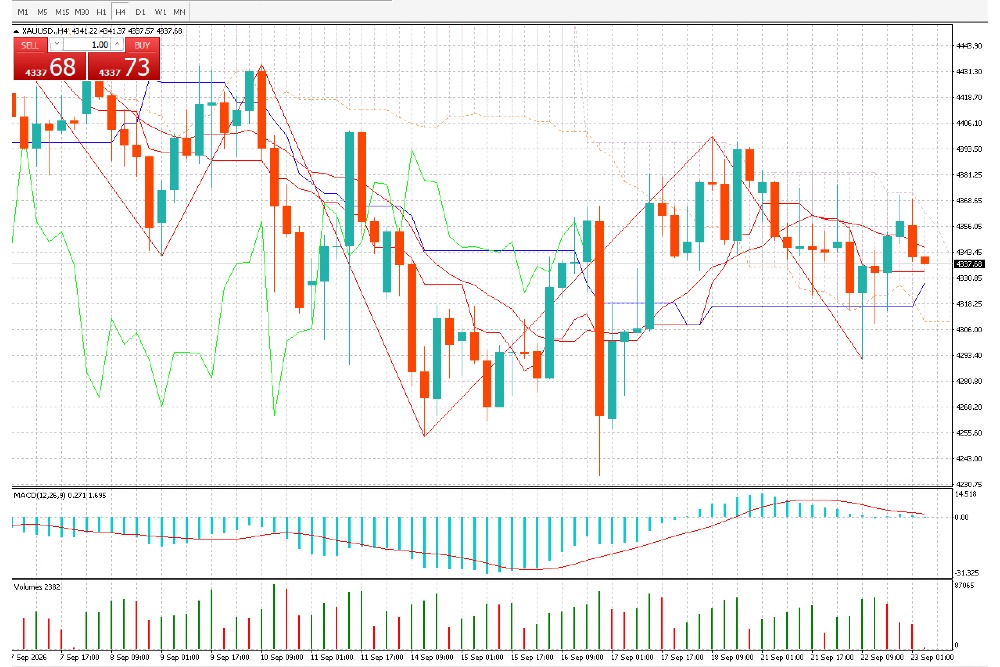
Other asset classes also saw notable movements. The U.S. dollar traded steadily near pre-conflict levels. Inflation concerns driven by elevated oil prices kept the 10-year U.S. Treasury yield flat at 4.39%, with a weekly increase of 2 basis points. Gold ticked up moderately to around $4,710 per ounce amid safe-haven demand.
- Market Drivers: AI Boom Offset by Geopolitical Risks
The recent global stock rally has been predominantly fueled by the artificial intelligence sector. Investors bet heavily on massive AI capital expenditures to boost corporate profits, sustaining the ongoing AI-driven market trade. Despite geopolitically induced volatility, most investors are monitoring de-escalation signals between the U.S. and Iran, hoping easing tensions can cap oil prices and shore up risk assets. - U.S. Tariff Policy Setback; South Korean Market Outperforms
In a domestic policy setback for the Trump administration, a federal trade court ruled that the 10% universal tariff imposed by the U.S. was illegal. It represents another defeat for the administration’s tariff agenda without congressional approval.
Regionally, South Korea’s stock market stood out among global peers. Benefiting from robust AI industrial chain demand, South Korean semiconductor firms are expected to deliver solid earnings growth, positioning the KOSPI as one of the best-performing global indices in 2026. Goldman Sachs upgraded its target for the South Korean benchmark index for the second time within three weeks, arguing that the market has underestimated the earning durability of the memory semiconductor industry.
[Disclaimer] Forex trading involves risk; please invest with caution. This content is for informational purposes and objective analysis only, and does not constitute any investment advice, basis for buying/selling, or guarantee of returns. Investors should make independent decisions based on their own financial situation and risk tolerance, and bear their own investment risks.
Related Posts

23/09/2026
23/09/2026