30/04/2026

Despite the market sentiment being boosted by the earnings performance of major technology companies, the long-standing lack of significant progress in the Middle East conflict has led to a surge in international oil prices to their highest level in nearly four years, weighing on market risk sentiment and narrowing the optimistic momentum driven by leading technology stocks.
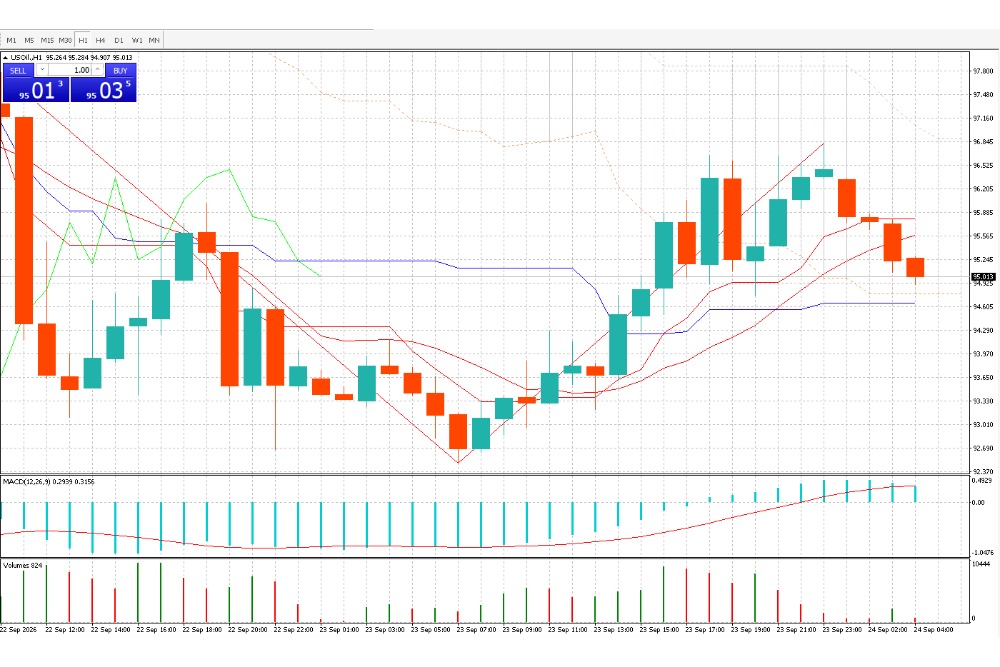
Brent crude oil prices rose as much as 7.1% to $126.41 a barrel, on track for a ninth consecutive trading day of gains, marking the longest winning streak since May 2022. So far this year, Brent crude oil prices have risen by more than 100% cumulatively.
Driven by the strong earnings of tech giants such as Alphabet Inc. (parent company of Google) and Amazon.com Inc., Nasdaq 100 index futures once rose 1.1%, but then erased all their gains. Meanwhile, the MSCI Asia-Pacific stock index fell 1.4%, and European stocks were expected to open 1% lower.
Affected by the surge in oil prices and the Federal Reserve’s hawkish stance, demand for fixed-income assets has been suppressed, the U.S. dollar has strengthened, and bond prices have continued to fall. The 10-year U.S. Treasury futures have fallen for four consecutive trading days, while the 10-year Treasury spot yield has remained near its highest level since July; Japan’s 10-year government bond yield has even climbed to its highest level since 1997.
Currently, traders are struggling to cope with a series of complex market news: from the sharp rise in oil prices triggered by the Iran war, to the Federal Reserve’s decision to keep interest rates unchanged due to internal differences of opinion, and the intensive release of financial reports by tech giants. As oil prices climb to a four-year high and bond yields rise in tandem, this trend is testing the rebound of global stock markets — previously, stock markets had recovered war-related losses and hit new highs in U.S. stocks driven by strong tech company earnings reports.
Rodrigo Catril, strategist at National Australia Bank’s Sydney branch, said: “In our time zone, the rise in oil prices, news that the U.S. is considering military action against Iran, coupled with European markets learning of this news after opening, multiple factors have jointly hit the overall market sentiment.”
On Thursday, traders will face more information to analyze: the European Central Bank (ECB) and the Bank of England (BoE) will successively announce their monetary policy decisions, followed by the release of U.S. economic data. The market expects both central banks to keep interest rates unchanged.
After several mid-sized tech companies released their financial reports on Wednesday, Apple Inc. will hold a highly anticipated earnings conference on Thursday. Wednesday’s earnings conferences have allowed the market to get a glimpse of the layout and performance of many of the world’s largest tech companies in the field of artificial intelligence.
In after-hours trading, Alphabet’s stock rose 7%, Amazon’s stock rose 2.7%, and Microsoft’s stock rose slightly by 0.3%; in contrast, Meta Platforms Inc.’s (parent company of Facebook) stock fell 7%.
In the Asian market, the stock market rally driven by artificial intelligence concepts has masked signs of market weakness, and the gains of tech stocks have offset the impact of the U.S.-Iran war on the overall market. Among them, South Korea’s KOSPI is on track for its best monthly performance since 1998, while Taiwan’s TAIE Weighted Index is expected to record its best monthly performance since 2001.
On the other hand, the yen exchange rate stabilized on Thursday. Previously, the yen fell below the 160 mark against the U.S. dollar, hitting a new low for the year, which also increased the risk that Japanese officials may intervene in the foreign exchange market to support the yen exchange rate.
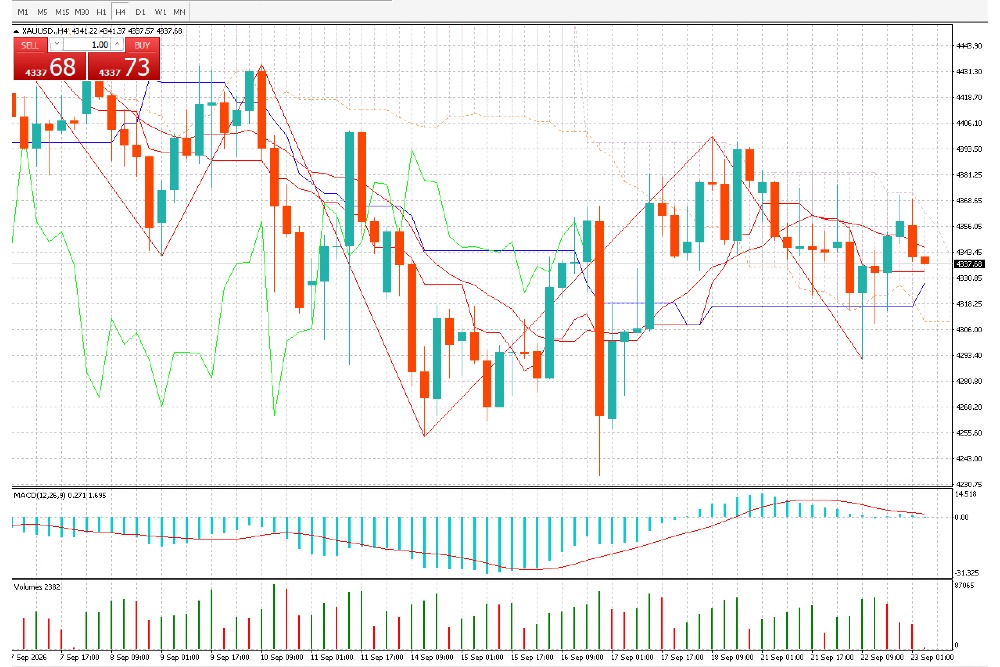
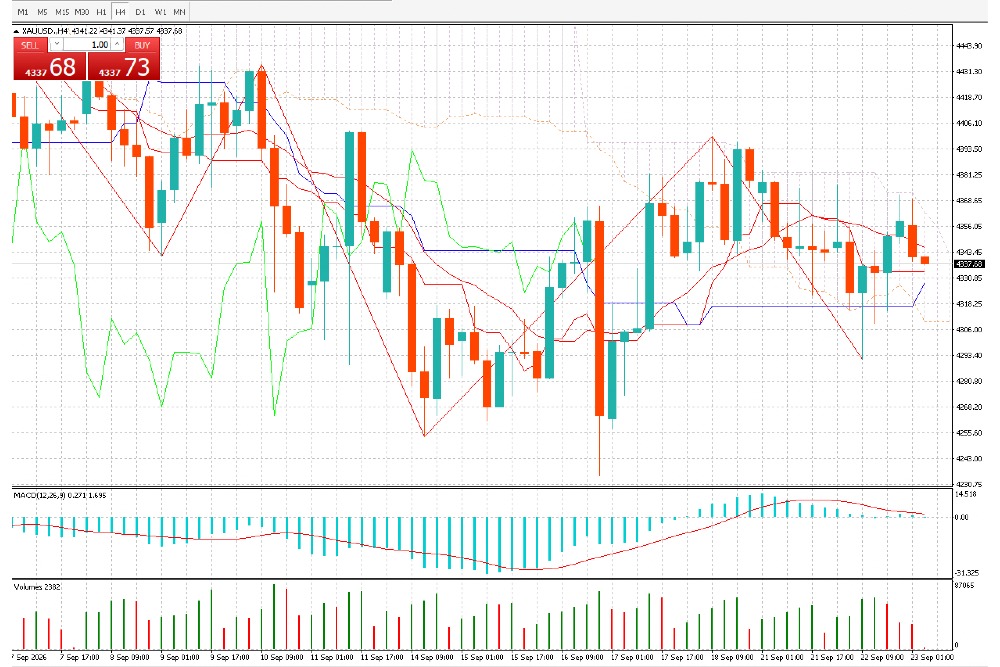
Gold prices weakened slightly, trading at around $4,550 an ounce; Bitcoin prices also fell slightly to around $75,450.
The Federal Reserve announced on Wednesday morning that it would keep interest rates unchanged, while also revealing growing internal differences over its policy outlook. Currently, traders have almost completely abandoned expectations of interest rate cuts this year and even begun to factor in the possibility of interest rate hikes in 2027.
After the U.S. Department of Justice dropped its controversial criminal investigation into the Federal Reserve, Federal Reserve Chairman Jerome Powell held his last press conference during his tenure. The dismissal of the investigation cleared the way for the Senate to confirm Kevin Warsh as the next Federal Reserve Chairman, and Powell stated that he would continue to serve as a governor at the Federal Reserve
inutes from the Federal Reserve’s latest meeting show that internal differences are deepening. Beth Hammack, President of the Federal Reserve Bank of Cleveland, Neel Kashkari, President of the Federal Reserve Bank of Minneapolis, and Lorie Logan, President of the Federal Reserve Bank of Dallas, all stated that they support keeping the target range for the federal funds rate unchanged and do not currently support adding a dovish tilt to the statement; in contrast, Federal Reserve Governor Stephen Milan dissented and advocated for an interest rate cut.
Related Posts

23/09/2026
23/09/2026