29/04/2026

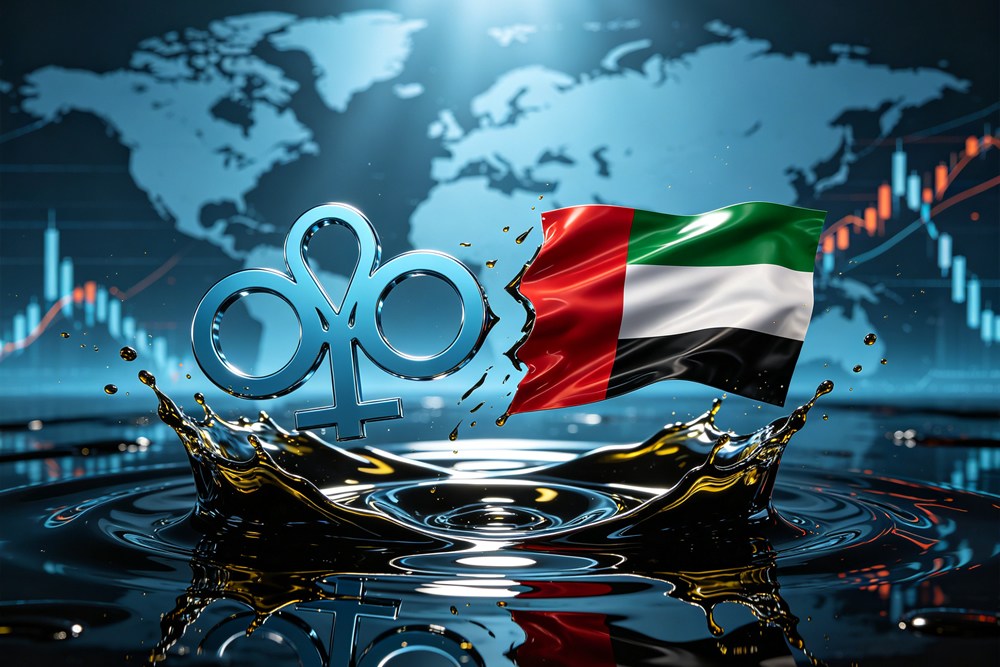
The United Arab Emirates (UAE) has announced that it will officially withdraw from the Organization of the Petroleum Exporting Countries (OPEC) next month (May 1st). This decision is a major blow to OPEC, not only raising concerns about the organization’s future development, but also coming at a time when the global oil industry is struggling to cope with large-scale supply disruptions caused by the US-Israel war against Iran. With the superposition of multiple factors, the tense situation in the Gulf region has further intensified.
As a member state that joined OPEC in 1967, the UAE’s withdrawal this time marks the peak of long-standing tensions between it and Saudi Arabia, the dominant country in OPEC. The differences between the two sides mainly focus on oil production policies and the competition for regional political influence. Although the UAE has repeatedly mentioned withdrawing from OPEC before, Suhail Al Mazrouei, the country’s energy minister, clearly stated in an interview that the current market chaos caused by the war has created an appropriate opportunity for this decision.
“This is a decision made after a long and careful assessment of all our strategies,” Suhail Al Mazrouei said. “We believe that launching this decision now is the most appropriate, because the current market supply is already insufficient, and this move will not cause a huge impact on the market.” He further explained that the UAE believes that the oil supply shortage caused by the war requires countries to respond flexibly to market demand, rather than being bound by OPEC’s collective decisions. At the same time, he emphasized that the UAE will continue to act as a “responsible” oil producer to support the global energy market. It is reported that the UAE is one of the few oil-producing countries in the world with a large amount of spare capacity, and has long been dissatisfied with OPEC’s production reduction measures.
As a core member of OPEC, the UAE’s withdrawal is undoubtedly a heavy blow to the organization, while it is an important victory for US President Donald Trump, who has repeatedly criticized OPEC for “deliberately supporting oil prices”. Before the outbreak of the conflict, the UAE was OPEC’s third-largest oil producer, accounting for about 12% of the organization’s total supply, and occupying an important position in the global energy market.
“In the long run, this will lead to structural weakening of OPEC,” said Jorge León, head of geopolitical analysis at Rystad Energy, who previously worked at the OPEC Secretariat. After leaving OPEC, the UAE has both the motivation and the ability to expand oil production, which will further arouse widespread international doubts about Saudi Arabia’s status as the “core stabilizer of the global oil market”.
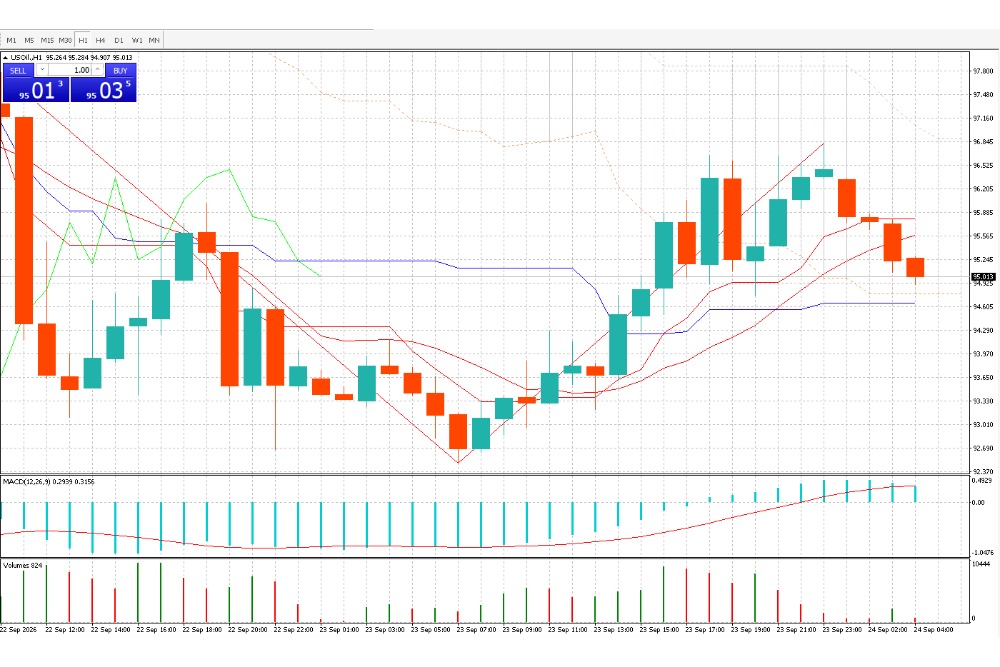
However, in the short term, the impact of the UAE’s withdrawal on the oil market may be relatively limited. Affected by the US-Israel war against Iran, oil exports from the Persian Gulf region have been severely hindered, and many oil-producing countries including the UAE, Saudi Arabia and Iraq have been forced to cut production rather than expand supply. So far, the price of London crude oil futures has approached $111 per barrel, a sharp increase from around $70 per barrel before the outbreak of the conflict. According to estimates by top traders, the oil supply loss caused by this conflict is as high as 1 billion barrels, and it will take several years to fill this gap—not only because the recovery of damaged energy infrastructure takes a long time, but also because a large number of irreversible supply losses have been caused before. According to Kepler data, since the outbreak of the war at the end of February, the global market has lost more than 500 million barrels of crude oil and condensate supply, which can be called the largest energy supply disruption event in modern history.
In fact, the contradictions between the UAE and Saudi Arabia have a long history. At OPEC+ meetings, the two countries have repeatedly had differences: the UAE hopes to increase investment in oil production capacity and expand production, while Saudi Arabia insists on promoting OPEC to limit supply to stabilize oil prices. Such differences once brought the UAE to the verge of withdrawing from OPEC, but it did not take action in the end.
In addition to differences in oil policies, the contradictions between the two countries have also extended to regional political and economic fields. Earlier this year, Saudi Arabia tried to curb the UAE’s influence in the Yemeni civil war, leading to an escalation of political tensions between the two countries—at that time, Gulf countries supported different camps in the Yemeni civil war, further intensifying the confrontation between the two sides. After the outbreak of the US-Israel war against Iran at the end of February, Iran immediately launched thousands of missiles and drones to counterattack Gulf Arab countries, and the tense situation in the Gulf region escalated again. During this period, the UAE tried to promote the United Nations to authorize the use of force to reopen the Strait of Hormuz, but failed to gain the support of most neighboring countries, which made the UAE deeply frustrated. At present, the Strait of Hormuz is still in a de facto state of blockage. As a global strategic hub, the strait undertakes the crude oil export transportation tasks of major oil-producing countries such as Saudi Arabia, Iraq and Iran. Its blocked navigation directly leads to a loss of about 10 million barrels per day of global crude oil production and a reduction of about 13% in global daily oil flow.
In the economic field, the competition between the UAE and Saudi Arabia has long transcended the scope of OPEC. To get rid of its dependence on the oil industry, Riyadh, the capital of Saudi Arabia, is making every effort to build a regional financial center, competing directly with Dubai in the UAE. The competition between the two sides on the road of economic diversification is becoming increasingly fierce.
It is worth noting that the UAE is not the only country to withdraw from OPEC in recent years. At the end of 2023, Angola withdrew because of the decline in oil production and dissatisfaction with OPEC’s plan to reduce its production quota; in 2020, Ecuador withdrew from the organization due to declining production; in 2018, Qatar, a small oil-producing country, chose to withdraw to focus on the development of its natural gas industry. At present, Iran still retains its OPEC member status.
Before the outbreak of the US-Israel war against Iran, OPEC+ had been reviewing the oil production capacity of each member state to prepare for formulating next year’s production quota. As one of the few OPEC+ member states with spare capacity besides Saudi Arabia, the UAE’s production capacity has attracted much attention. According to data from the International Energy Agency (IEA), the UAE had about 660,000 barrels per day of spare capacity at that time, but some analysts and traders believe that Abu Dhabi’s actual production capacity is close to the limit.
The daily oil production capacity data of the UAE’s state-owned oil giant Abu Dhabi National Oil Company (ADNOC) is much higher than the evaluation of other institutions, reaching 4.85 million barrels per day, close to its planned target of 5 million barrels per day. It is reported that ADNOC has invested 150 billion US dollars to try to raise its production capacity to 5 million barrels per day by 2027. If this goal can be achieved, it will provide the UAE with considerable additional oil supply and further enhance its voice in the global energy market.
It is also understood that the UAE was originally scheduled to participate in a monthly video conference with seven other major OPEC+ member states on Sunday, focusing on discussing plans to gradually resume oil production that was stopped a few years ago. The UAE’s announcement to withdraw from OPEC is likely to have an important impact on the agenda of the meeting and the subsequent OPEC+ production capacity adjustment plans.
[Disclaimer] Forex trading involves risk; please invest with caution. This content is for informational purposes and objective analysis only, and does not constitute any investment advice, basis for buying/selling, or guarantee of returns. Investors should make independent decisions based on their own financial situation and risk tolerance, and bear their own investment risks.
Related Posts

23/09/2026
23/09/2026