22/10/2026

Global equities declined this week as earnings from major tech firms failed to boost investor confidence in the sustainability of the AI rally. Meanwhile, oil prices rose amid escalating tensions in the Middle East.
Asian stocks fell 0.8%. The KOSPI, a benchmark for AI-related trades, dropped 1.8%, with chip giants Samsung Electronics and SK Hynix both lower. Diverging results from Tesla and Meta Platforms pressured US index futures: Nasdaq 100 futures lost 0.9%, while S&P 500 futures fell 0.5%.
Tesla tumbled 3.3% in after-hours trading after cutting its capital expenditure outlook. In contrast, Meta Platforms rose 2.2% after lifting its spending plans to ramp up AI investment. Lam Research Corp., a semiconductor equipment maker, fell 7.4% after releasing weaker-than-expected earnings guidance.
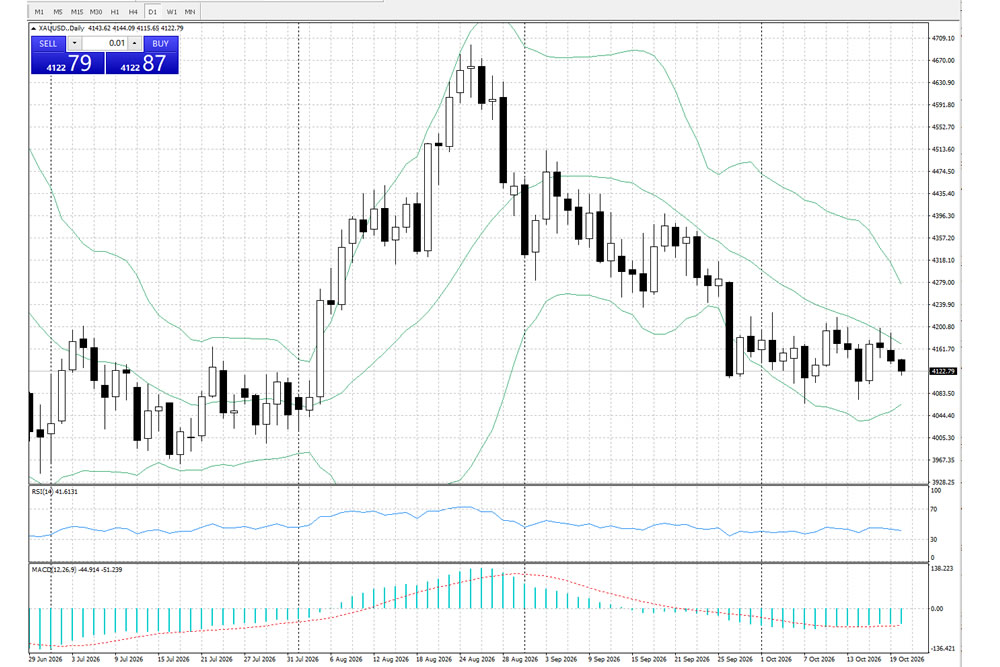
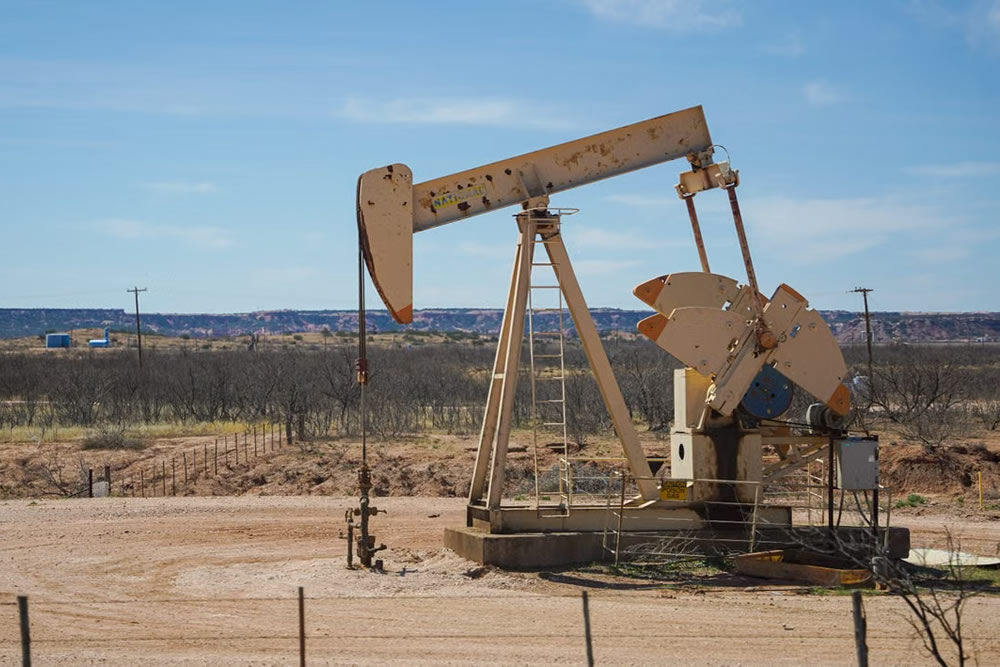
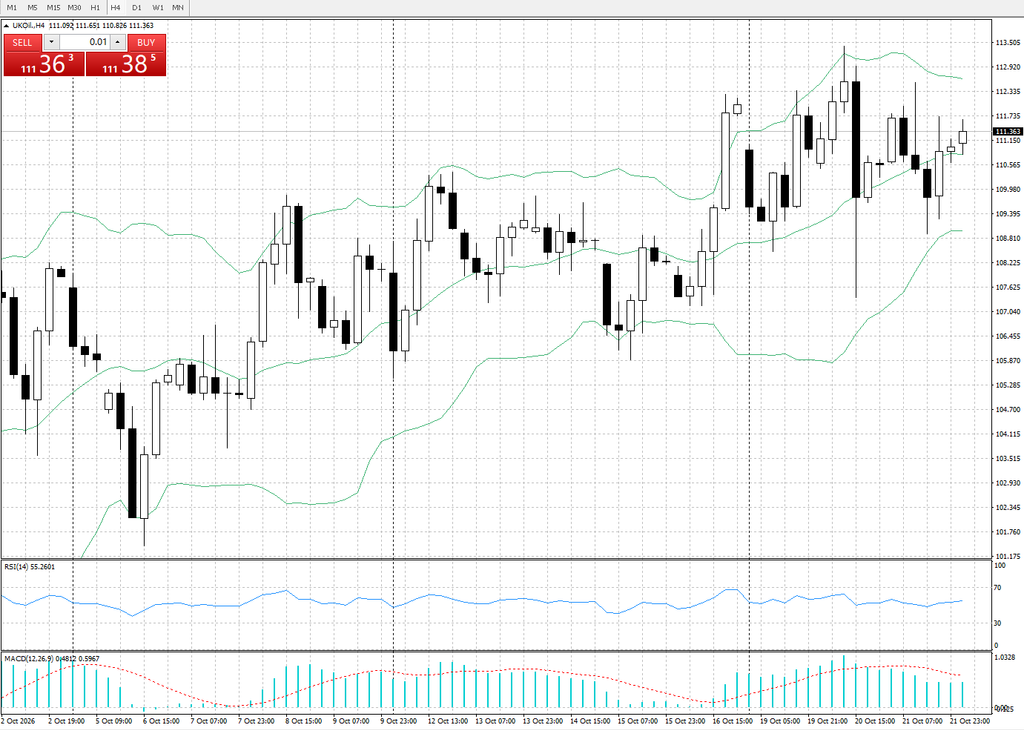
A deadly attack in Saudi Arabia stoked fears that escalating Middle East conflicts could disrupt crude supplies. Brent crude climbed 1.4% to trade above $110 per barrel. Gold extended its weekly losses, down 0.7% near $4110 per ounce. US Treasury yields and the US dollar were largely unchanged.
The latest corporate earnings will test whether profits can sustain gains in AI investments. Investors are weighing robust growth prospects against rising industry expansion costs. There is growing concern that massive spending on data centers and computing power may take longer to generate returns. This year’s sharp stock market rally has also sparked worries over stretched valuations and an AI bubble.
Skepticism about the economic benefits of the AI boom has unsettled markets. Shareholders demand clearer evidence that heavy infrastructure spending will eventually deliver returns.
Valuations have undergone a sharp repricing. The Nasdaq 100 fell 5.5% last week, marking its worst weekly drop since President Trump announced global tariff hikes in April 2025. The Philadelphia Semiconductor Index declined for eight consecutive sessions, its longest losing streak since October 2008.
Separately, the Bank of Korea kept its benchmark interest rate unchanged. The central bank had previously delivered two consecutive rate hikes, a rare move, to curb inflation fuelled by the unprecedented semiconductor boom.
Markets remain focused on the worsening geopolitical situation in the Middle East and oil markets. Oil prices rose after a deadly attack on an oilfield in Saudi Arabia. Investors worry that intensifying hostilities in the region could disrupt crude supplies, even though oil exports through the Strait of Hormuz have accelerated in recent months.
Global equities declined this week as earnings from major tech firms failed to boost investor confidence in the sustainability of the AI rally. Meanwhile, oil prices rose amid escalating tensions in the Middle East.
Asian stocks fell 0.8%. The KOSPI, a benchmark for AI-related trades, dropped 1.8%, with chip giants Samsung Electronics and SK Hynix both lower. Diverging results from Tesla and Meta Platforms pressured US index futures: Nasdaq 100 futures lost 0.9%, while S&P 500 futures fell 0.5%.
Tesla tumbled 3.3% in after-hours trading after cutting its capital expenditure outlook. In contrast, Meta Platforms rose 2.2% after lifting its spending plans to ramp up AI investment. Lam Research Corp., a semiconductor equipment maker, fell 7.4% after releasing weaker-than-expected earnings guidance.
A deadly attack in Saudi Arabia stoked fears that escalating Middle East conflicts could disrupt crude supplies. Brent crude climbed 1.4% to trade above $110 per barrel. Gold extended its weekly losses, down 0.7% near $4110 per ounce. US Treasury yields and the US dollar were largely unchanged.
The latest corporate earnings will test whether profits can sustain gains in AI investments. Investors are weighing robust growth prospects against rising industry expansion costs. There is growing concern that massive spending on data centers and computing power may take longer to generate returns. This year’s sharp stock market rally has also sparked worries over stretched valuations and an AI bubble.
Skepticism about the economic benefits of the AI boom has unsettled markets. Shareholders demand clearer evidence that heavy infrastructure spending will eventually deliver returns.
Valuations have undergone a sharp repricing. The Nasdaq 100 fell 5.5% last week, marking its worst weekly drop since President Trump announced global tariff hikes in April 2025. The Philadelphia Semiconductor Index declined for eight consecutive sessions, its longest losing streak since October 2008.
Separately, the Bank of Korea kept its benchmark interest rate unchanged. The central bank had previously delivered two consecutive rate hikes, a rare move, to curb inflation fuelled by the unprecedented semiconductor boom.
Markets remain focused on the worsening geopolitical situation in the Middle East and oil markets. Oil prices rose after a deadly attack on an oilfield in Saudi Arabia. Investors worry that intensifying hostilities in the region could disrupt crude supplies, even though oil exports through the Strait of Hormuz have accelerated in recent months.
Related Posts