18/06/2026

Bolstered by eased geopolitical risks following the signing of a US-Iran interim deal, global market risk sentiment has improved markedly, offsetting the hawkish monetary policy signals released by the Federal Reserve. US stock index futures climbed, international crude oil prices retreated, and Asian equities extended their gains, with overall risk appetite rising across major asset classes.
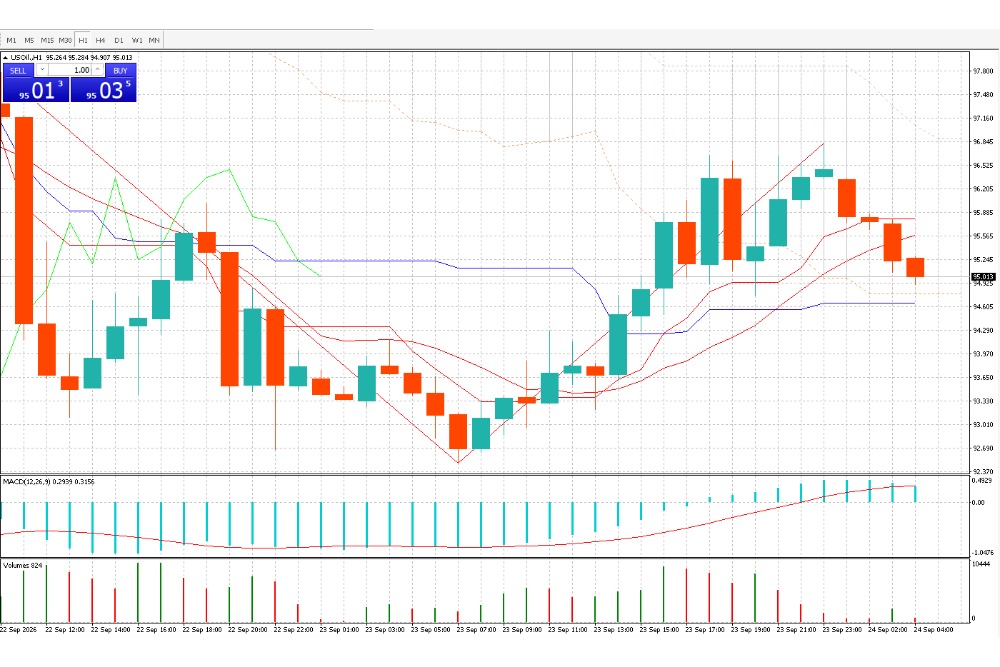
Major markets saw notable divergences in performance. US stock index futures staged a solid rebound, with the S&P 500 futures rising as much as 0.9% and Nasdaq futures gaining 1.5%. Ahead of this rally, the Fed hinted on Wednesday at the possibility of further interest rate hikes to curb inflation, dragging US benchmark stock indices down by 1.2% on the day. In the commodity market, safe-haven demand for crude oil faded, sending Brent crude plunging more than 2% to below $78 per barrel. European stock futures edged lower, while Asian equities maintained upward momentum, notching a fifth consecutive trading day of gains. Asian technology stocks tracked higher Nasdaq futures, with the sector index rising over 1.5%.
The US-Iran interim peace deal serves as the core catalyst for the turnaround in market sentiment. US President Donald Trump signed the memorandum near the Palace of Versailles in France to conclude hostilities with Iran and reopen the Strait of Hormuz. The memorandum has officially taken effect. Nevertheless, market caution lingers, as it remains unclear whether Iran will immediately take full action to reopen the strategic waterway. Market expectations suggest the deal will significantly de-escalate geopolitical tensions in the Middle East, avert potential disruptions to global energy supply, and provide strong support for global equities. Despite lingering geopolitical uncertainties, global stock markets have continued to hit new highs driven by the sustained strength of the artificial intelligence sector.
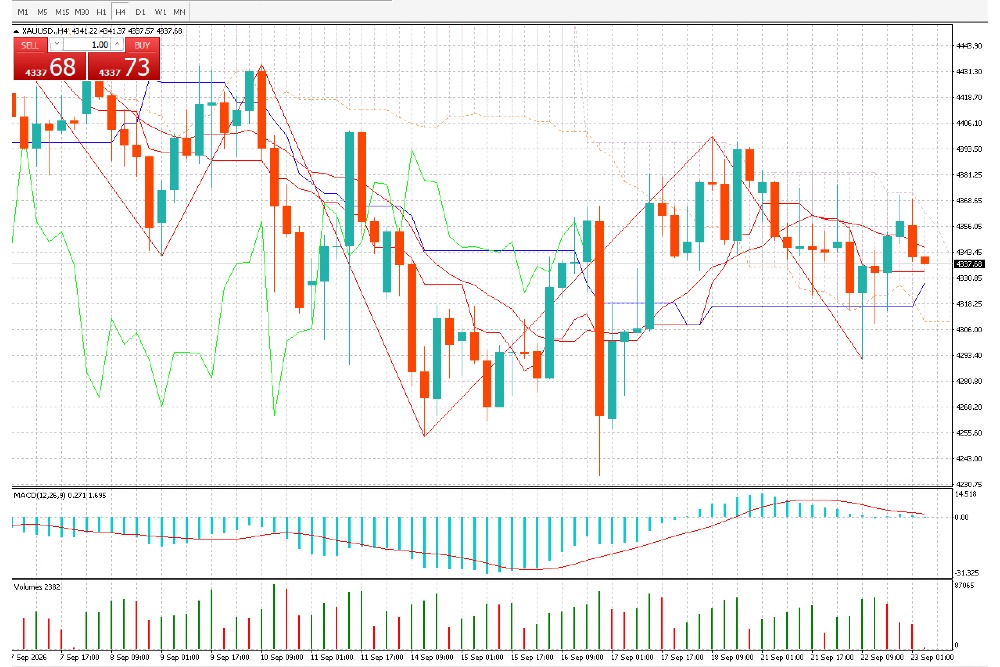
The US Treasury market also reflected improved risk sentiment following the Fed’s hawkish policy announcement. The yield on the 10-year US Treasury note initially rose by 5 basis points before paring most gains to settle 4 basis points lower at 4.45%. The 2-year US Treasury yield, which is highly sensitive to monetary policy changes, dipped 2 basis points to 4.16%, after surging 13 basis points in the previous session. In contrast, the 10-year bond yields in Australia and Japan edged slightly higher on Thursday. In the foreign exchange market, the Bloomberg Dollar Spot Index fell 0.2% on Thursday, reversing a 0.7% gain from the prior day. Precious metals rallied alongside falling yields and improved risk sentiment, with gold and silver prices both climbing more than 1%.
Global central banks adopted divergent monetary policy stances. Most economists forecast that Indonesia and the Philippines, two economies severely impacted by energy shocks, will raise their policy rates by 25 basis points on Thursday to counter imported inflation, while the Bank of England and the Central Bank of the Republic of China are expected to hold rates steady. Policy divergence and fluctuating US dollar pressure weighed on most emerging Asian currencies, which weakened against the greenback on Thursday. The Japanese yen tumbled to its lowest level since July 2024, raising the likelihood of official intervention. Although the Bank of Japan raised its benchmark interest rate earlier this week to the highest level since 1995, investors believe the tightening pace is too slow to contain inflation and stabilize the currency.
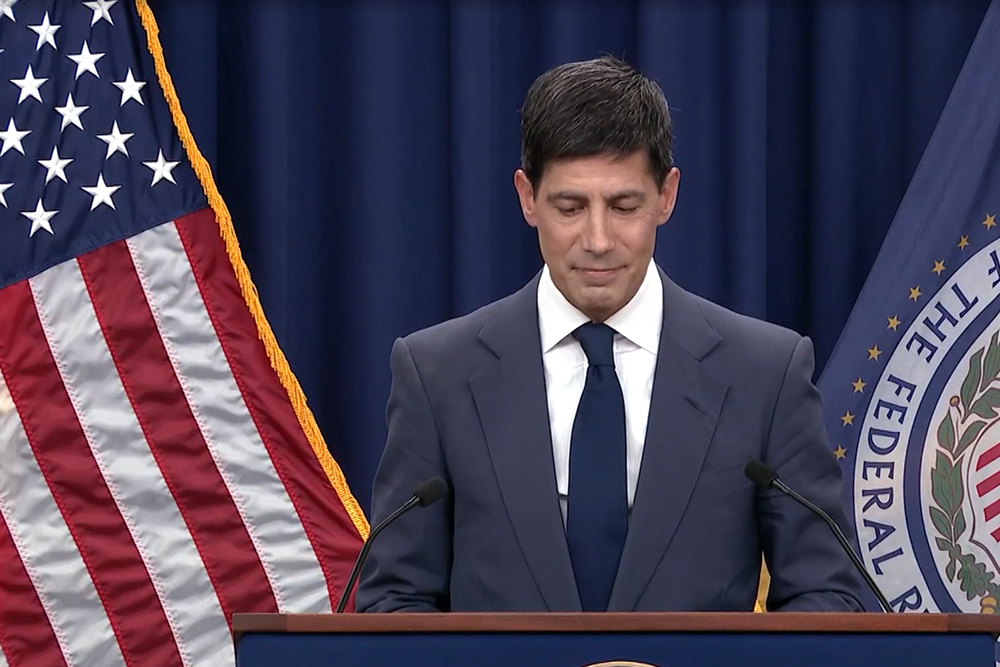
In his first press conference since taking office, newly appointed Federal Reserve Chair Kevin Walsh struck a hawkish tone and refrained from offering clear guidance on future policy moves. He stressed that US inflation has remained above the Fed’s 2% target for years, reaffirming the central bank’s commitment to restoring price stability. Nearly half of Fed policymakers project interest rate hikes for this year, prompting traders to fully price in a rate hike in October and assign high odds to a hike as early as September.
Market professionals remain cautious about the Fed’s policy outlook. Bob Michelle, Chief Investment Officer and Global Head of Fixed Income at J.P. Morgan Asset Management, stated that the prospect of rate hikes backed by half of the Federal Open Market Committee members delivers a substantial hawkish shock to the market, indicating the Fed is laying the groundwork for further tightening. Additionally, Walsh announced the launch of a special task force to review the Fed’s $6.7 trillion balance sheet, an area he has long criticized. The task force will assess the operational framework of monetary policy, evaluating the respective roles of interest rate tools and balance sheet tools.
Multiple risks remain on the horizon for global markets. Bond investors continue to worry about sticky inflation, which could keep interest rates elevated for an extended period. Furthermore, the recent pullback in oil prices has not eliminated fundamental energy market pressures. Crude oil inventories at Cushing, America’s key commercial crude storage hub, have fallen to around 20 million barrels, touching the minimum operational threshold and posing lingering risks to energy prices and global inflation dynamics.
[Disclaimer] Forex trading involves risk; please invest with caution. This content is for informational purposes and objective analysis only, and does not constitute any investment advice, basis for buying/selling, or guarantee of returns. Investors should make independent decisions based on their own financial situation and risk tolerance, and bear their own investment risks.
Related Posts

23/09/2026
23/09/2026