17/06/2026

Ahead of the Federal Reserve’s latest policy meeting, global markets have shown clear divergent trends. Bond prices have continued to rise while international oil prices have extended their sharp decline, driving heightened volatility across major asset classes. Global investors remain on the sidelines, closely watching the Fed meeting for fresh clues on the outlook for global interest rates.
1. Commodities: Oil Hits Multi-Month Low While Gold Rallies
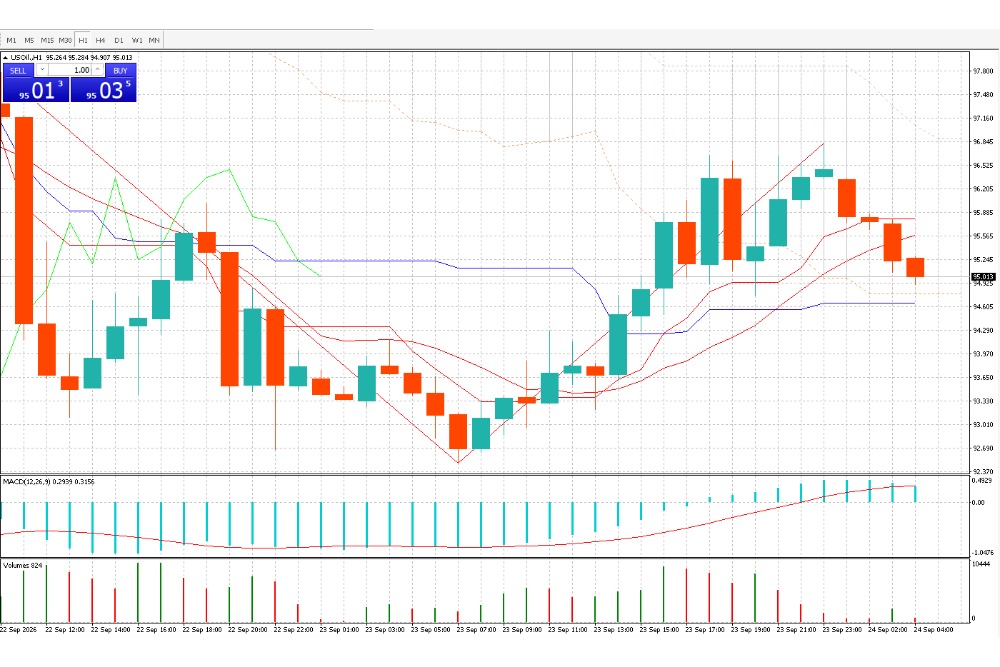
The slump in international crude oil prices has deepened, with Brent crude falling below $79 per barrel to hit its lowest level in more than three months. Oil prices have tumbled for four consecutive trading days, posting a cumulative drop of 15% and on track to secure the longest losing streak in 10 months.
The core driver behind the steep oil decline is market optimism over a potential U.S.-Iran deal. Market participants widely expect that the finalized agreement will fully restore shipping operations and crude supplies in the Strait of Hormuz, unlocking substantial global oil supply. This has significantly eased global inflation concerns and prompted investors to reassess the trajectory of global interest rates. Nevertheless, most European governments, energy investors and shipping firms remain cautious about whether the Strait of Hormuz can quickly return to its pre-conflict operational status. The U.S. and Iran are set to formally sign a memorandum of understanding in Switzerland on June 19.
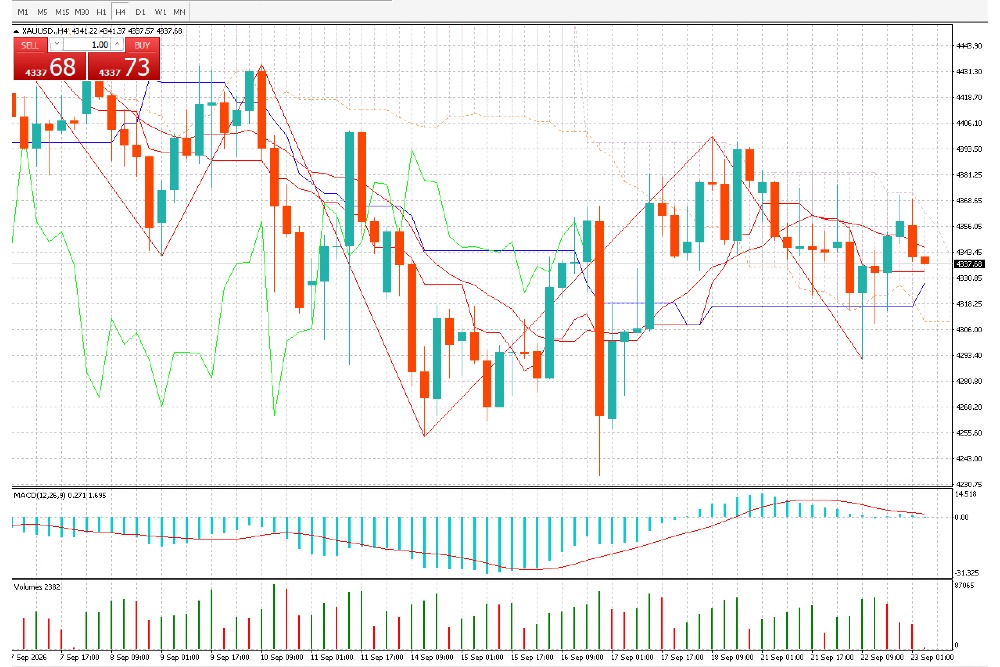
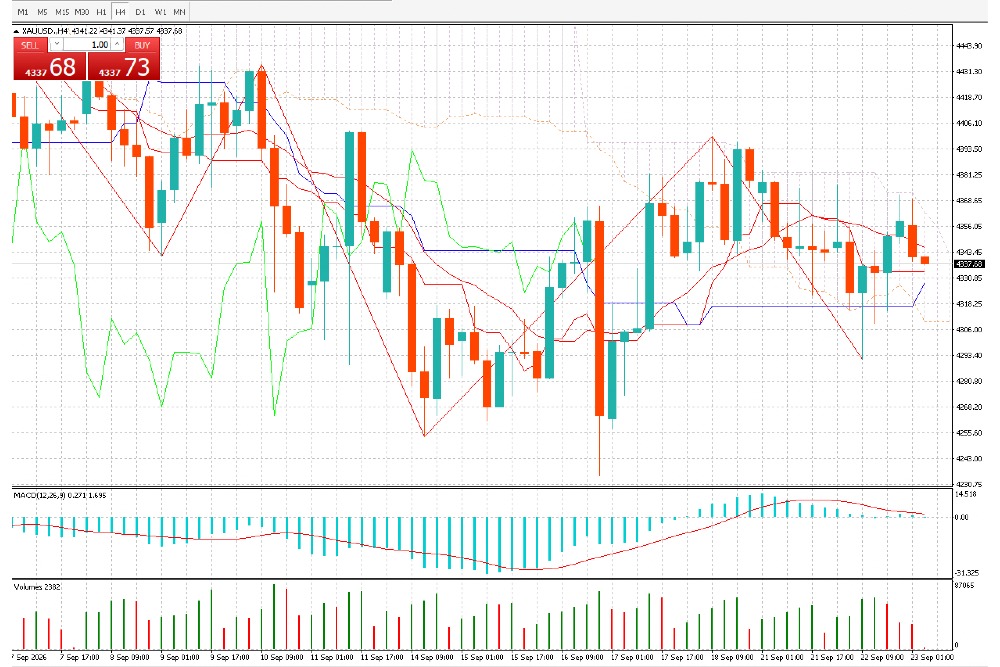
In contrast to falling oil prices, gold has maintained a strong upward momentum. Building on a more than 6% surge over the past four trading sessions, gold prices continue to climb, while the U.S. Dollar Index remains steady overall.
2. Global Equity and Bond Markets: Broad Bond Rally and Diverging Regional Stocks
Global bond markets have warmed up broadly with falling yields across major economies. The 10-year government bond yields in Australia and Japan have each dropped by at least 5 basis points, while the U.S. 10-year Treasury yield edged down 1 basis point to a nearly one-month low. Given the inverse relationship between bond prices and yields, the lower yields have fueled a widespread rally in global bond prices.
Global stock markets have displayed distinct regional divergence. On Tuesday, a sharp correction in semiconductor stocks dragged U.S. equities lower, with the Nasdaq 100 falling nearly 2%, while S&P 500 futures inched up 0.2%. Asian equities have performed relatively robustly, rising 0.4% and poised to gain for four straight trading days. In contrast, European stock futures dipped 0.2%.
3. Global Central Bank Developments: Divided Fed Policy Outlook and China’s Interest Rate Framework Optimization
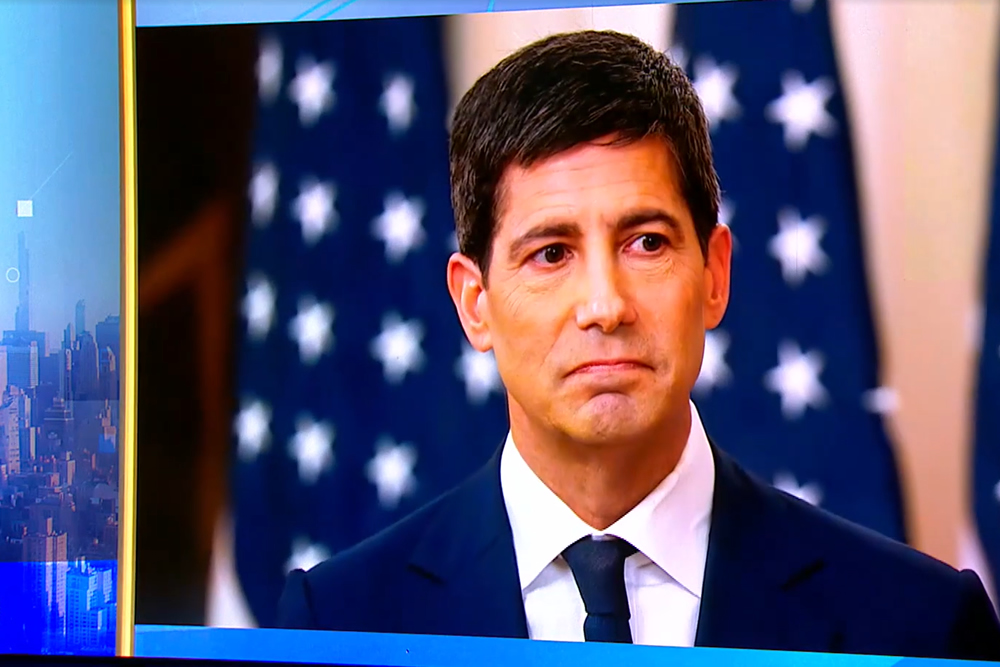
Major global central banks are generally poised to keep monetary policy steady this week. With the Bank of Japan’s rate hike viewed as an isolated move, most developed-market central banks including the Fed are expected to hold interest rates unchanged. Market focus is firmly fixed on the policy stance of newly appointed Fed Chair Kevin Walsh, who will preside over his first key policy meeting.
Market insiders anticipate a major shift in the Federal Reserve’s communication strategy. According to Bloomberg Economics analysis, unlike former Fed Chairs Jerome Powell, Janet Yellen and Ben Bernanke, Kevin Walsh is highly unlikely to release the closely watched policy dot plot, removing a key market benchmark for forecasting Fed policy moves.
Expectations for the Fed’s interest rate path have become highly divided among market participants, spanning options traders and Wall Street strategists. Options traders hold mixed views on the Fed’s near-term rate trajectory, with bets ranging from sustained rate cuts to varying degrees of rate hikes in the coming months. Institutional forecasts are also widely divergent: U.S. asset manager PGIM predicts three Fed rate hikes this year, while Citigroup’s Andrew Hollenhorst expects rate cuts. BNP Paribas forecasts that the Fed will launch three rate hikes starting in December.
China’s monetary policy is also undergoing targeted optimization. The People’s Bank of China (PBOC) has signaled adjustments to its policy interest rate framework, shifting its regulatory focus to overnight interest rates to further align with international central bank practices. PBOC Governor Pan Gongsheng stated that the central bank will refine the short-term interest rate adjustment mechanism and scale up overnight reverse repo operations at appropriate times. Additionally, China has rolled out new money market measures to expand the usage of the renminbi among overseas central banks, sovereign wealth funds and other institutional entities.
Related Posts

23/09/2026
23/09/2026