
05/06/2026

After propelling global markets to record highs earlier this year, the artificial intelligence trading frenzy has cooled off, dragging down Asian equities alongside U.S. stock futures and triggering a sharp pullback in the technology and semiconductor sectors.
Regionwide, the MSCI Asia Pacific Index fell 1.3%. South Korea’s stock market, one of the world’s best-performing benchmarks this year and a key barometer for AI investment sentiment, tumbled 4.4%. U.S. tech stocks extended their losses, with Nasdaq 100 futures dropping 1.1% and poised to decline for the third consecutive trading session, as investors continued to offload technology and chip-related assets.
Currency markets faced notable pressure with heightened volatility across emerging-market currencies. The South Korean won extended its slide to hit a fresh low since 2009. Meanwhile, massive foreign capital outflows worth billions of dollars from Indonesia’s bond market pushed the Indonesian rupiah to a record low at Thursday’s close, with the currency weakening sharply against the U.S. dollar.
The reversal in semiconductor stocks served as the core trigger for the broader tech market correction. The semiconductor sector, which had rallied strongly on multiple catalysts, saw its rally abruptly halt, with leading industry stocks retreating from all-time highs. Broadcom’s weaker-than-expected revenue outlook for its AI chip business emerged as the key negative catalyst, eroding market optimism toward the AI chip segment.
Broadcom’s stock plummeted 13% on Thursday, marking its steepest single-day drop in 16 months, weighed down by the disappointing AI chip sales forecast. While the company has made progress in shifting its business toward AI clients, its performance failed to meet investors’ lofty expectations, triggering aggressive capital selling. Bearish sentiment swept across the chip industry: the Philadelphia Semiconductor Index fell 2.1%, and the Bloomberg Asia Pacific Semiconductor Index slipped 2.7%. South Korea’s top chipmakers, Samsung Electronics and SK Hynix, both lost more than 4% in Seoul trading, emerging as major drags on the local market.
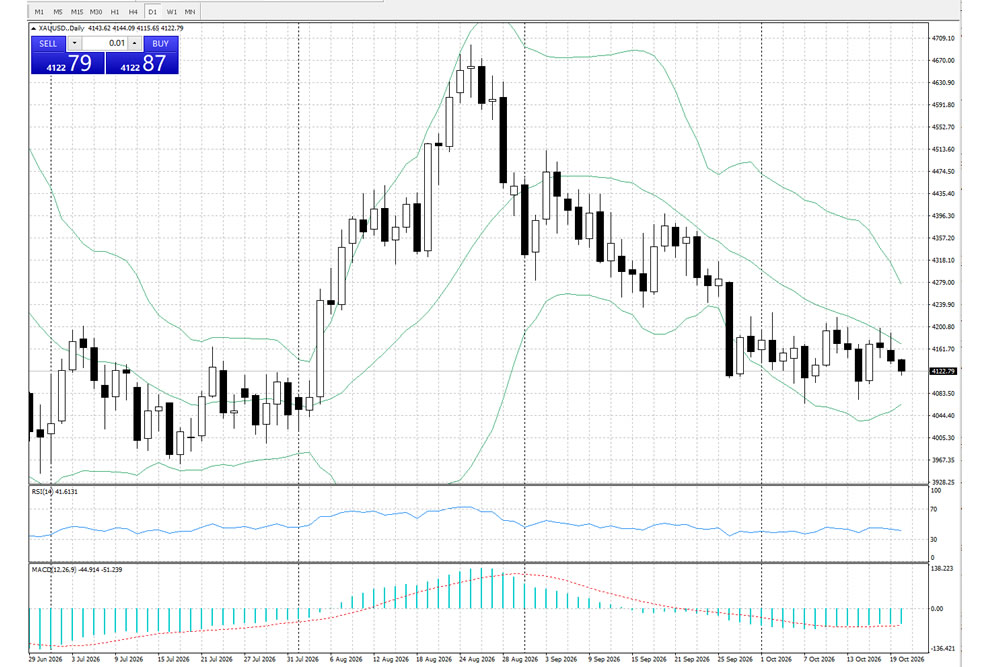
Commodity markets displayed divergent trends with overall muted volatility. Brent crude oil stabilized at around $95 per barrel after a mild pullback, as investors bet on potential diplomatic progress between the U.S. and Iran following a conditional ceasefire agreement involving Israel and Lebanon, weighing on crude prices. Gold prices traded narrowly around $4,470 per ounce, with persistent geopolitical uncertainty keeping bullion largely range-bound.
Complex and conflicting developments in the Middle East have continued to roil global markets. U.S. President Donald Trump stated that ceasefire negotiations have entered their “final stage”, while Iran’s foreign minister previously noted that the talks had reached an impasse. Tensions escalated midweek: after U.S. forces attacked an oil tanker bound for Iran, Iran launched missile and drone strikes against Kuwait and Bahrain, leaving one person dead and dozens injured at a major airport in Kuwait. In addition, Hezbollah in Lebanon publicly rejected the ceasefire terms announced by the U.S. State Department, further clouding the geopolitical outlook.
Market participants adopted a wait-and-see stance ahead of a pivotal U.S. jobs report due Friday, which is set to reshape Federal Reserve policy expectations and determine the trajectory of the AI-driven market rally.
Scheduled for release at 8:30 a.m. Washington time, the May U.S. nonfarm payrolls report is projected to show a job increase of 85,000, the lowest reading in three months, while the unemployment rate is expected to hold steady at 4.3%. U.S. Treasury traders have widely priced in Fed rate hikes over the next 12 months. A weaker-than-anticipated jobs print could upend these rate hike expectations, trigger a reset in global capital flows, and decide whether the AI-fueled tech rally will extend further or fizzle out.
Related Posts