
17/11/2026

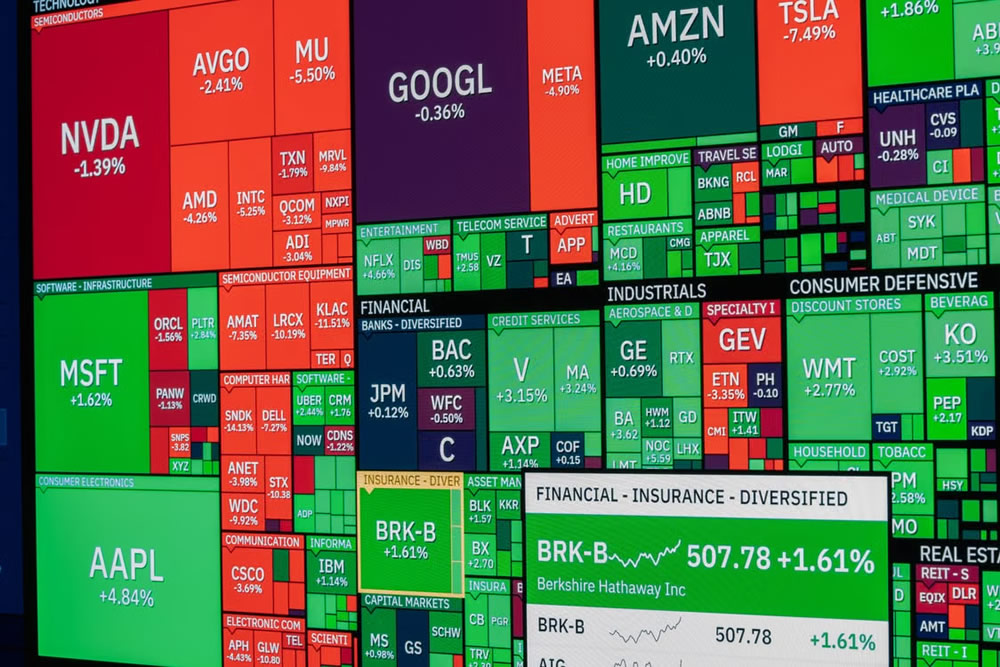
The selloff in technology stocks moderated as traders turned their attention to Nvidia’s earnings report, seeking critical clues about the trajectory of the artificial intelligence sector.
S&P 500 futures steadied. Nasdaq 100 futures rose 0.5%, halting a two-day rout that wiped 6% off the index. Nvidia shares climbed 1.1% in early trade. U.S. Treasury prices advanced ahead of retail sales figures, pushing the 10-year yield down one basis point. Brent crude edged higher toward $93 a barrel.
The earnings release comes at a time of major upheaval for the world’s most important chipmaker following Jensen Huang’s departure. Beyond quarterly results and guidance, traders will watch whether new leadership can sustain partnerships and keep product roadmaps on track.
Investors are set to scrutinize Nvidia’s metrics, including growth, profit margins, customer commitments and its exposure to China. Analysts noted that the impact of tighter export controls will also be in focus. Nvidia previously announced a new board committee to oversee national security and export compliance matters.
“The earnings numbers are going to be very strong, but that may not support the market given all the other moving parts,” said Neil Wilson, strategist at Saxo Bank UK.
Asian equities declined after the U.S. rolled out new restrictions on China’s access to advanced AI chips and servers. The MSCI Asia Index fell 1.5%, with technology shares leading losses. The Taiwan Weighted Index dropped 2.3% and South Korea’s KOSPI lost 2.6%.
The Stoxx Europe 600 posted its steepest drop in more than a week. Deutsche Bank fell more than 6% after reports that it processed suspicious payments linked to Jeffrey Epstein. French bond prices rose as French presidential candidate Marine Le Pen laid out her pension plan.
A Bank of America survey showed fund managers slashed exposure to tech stocks at the fastest pace in two decades as optimism over the AI boom faded. Conducted from November 6 to 12, the poll showed the share of investors overweight tech fell to 12% from 37% in October.
Demand for traditional havens remained muted. Gold and the U.S. dollar were little changed. While U.S. Treasuries found some support, yields stayed elevated after last week’s selloff.
[Disclaimer] Forex trading involves risk; please invest with caution. This content is for informational purposes and objective analysis only, and does not constitute any investment advice, basis for buying/selling, or guarantee of returns. Investors should make independent decisions based on their own financial situation and risk tolerance, and bear their own investment risks.
Related Posts