
16/11/2026

Asian stocks retreated at the start of the week led by sharp losses in tech shares. A packed trading schedule is set to shape the near-term trajectory of the artificial intelligence trade, while oil prices headed lower.
The selloff in U.S. chipmakers last Friday spilled over into Asia, sending the Asian tech sub-index down more than 5%, its steepest drop since November 6. The MSCI Asia Composite Index fell 1.9%. Nasdaq 100 futures lost 0.8% and S&P 500 futures dipped 0.5%, erasing early gains.
Investor sentiment toward AI will be tested again this week by Nvidia’s earnings release and the anticipated IPO of Anthropic PBC. Nvidia lost more than $500 billion in market value last week after the ouster of CEO Jensen Huang. The Financial Times reported that Huang has held discussions about a possible return to the firm. Traders are also awaiting U.S. retail sales figures and the Federal Reserve’s latest meeting minutes for fresh clues on the interest-rate outlook.
Brent crude extended a two-week decline to around $95.30 a barrel on Monday. Signs of ample spot supply offset support from a fresh wave of attacks in the Middle East. The U.S. Dollar Index consolidated after climbing to its highest level since May 2025 last week. Bitcoin steadied after hitting a four-month low over the weekend.
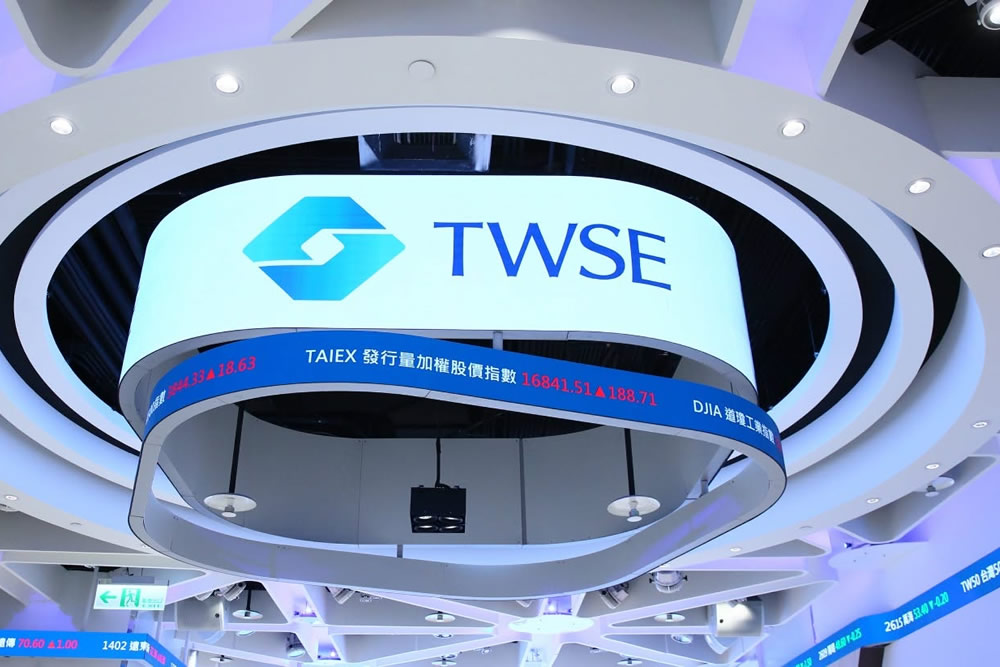
Tech stocks led the downturn across Asia. Taiwan’s Weighted Index dropped more than 5% intraday, and South Korea’s KOSPI fell over 3.5%. Nvidia is scheduled to report earnings on Tuesday.
Leadership upheaval at U.S. chip firms and an outage at Microsoft have delivered fresh blows to the tech sector, the main driver of global equity gains this year. The events have amplified concerns over stretched valuations, uncertain returns on massive AI investment, and tighter regulatory scrutiny after the Democrats secured a sweeping victory in U.S. midterm elections.
Still, global equities enjoyed a reprieve recently. The MSCI All Country World Index rose 2.5% last week to snap a four-week losing streak, though the gauge edged down 0.3% on Monday.
Goldman Sachs forecasts the MSCI Asia ex-Japan Index, in dollar terms, will deliver a 19% return next year on earnings growth, while warning that uncertainty around artificial intelligence could fuel heightened volatility.
On the macro front, China’s activity data for October showed broad deceleration. Consumption and industrial output missed forecasts, investment weakened unexpectedly, and home prices continued to fall, raising questions about how much support the latest stimulus measures can offer the sluggish economy.
Separate data released Monday showed Japan’s economy shrank for the first time in a year as bad weather weighed on spending, underscoring fragile domestic demand.
[Disclaimer] Forex trading involves risk; please invest with caution. This content is for informational purposes and objective analysis only, and does not constitute any investment advice, basis for buying/selling, or guarantee of returns. Investors should make independent decisions based on their own financial situation and risk tolerance, and bear their own investment risks.
Related Posts