14/09/2026


Global financial markets are witnessing a confluence of key drivers this week. A sudden shift in AI industry regulatory sentiment, supply disruptions in crude oil driven by Middle Eastern geopolitical tensions, and hotter-than-expected U.S. inflation data have jointly triggered broad fluctuations across equities, commodities, and bond markets. Risk aversion has intensified across the board, marking a critical window for global monetary policy.
The core catalyst for the latest market volatility is a growing call among leading artificial intelligence firms to slow down technological research and development. This sentiment has reversed the previously one-sided bullish outlook on the AI sector. Investors worry that potential industry tightening and reduced corporate tech spending will weigh on the full-year earnings outlook for the AI industry, prompting a valuation correction in tech stocks that have led the global market rally.
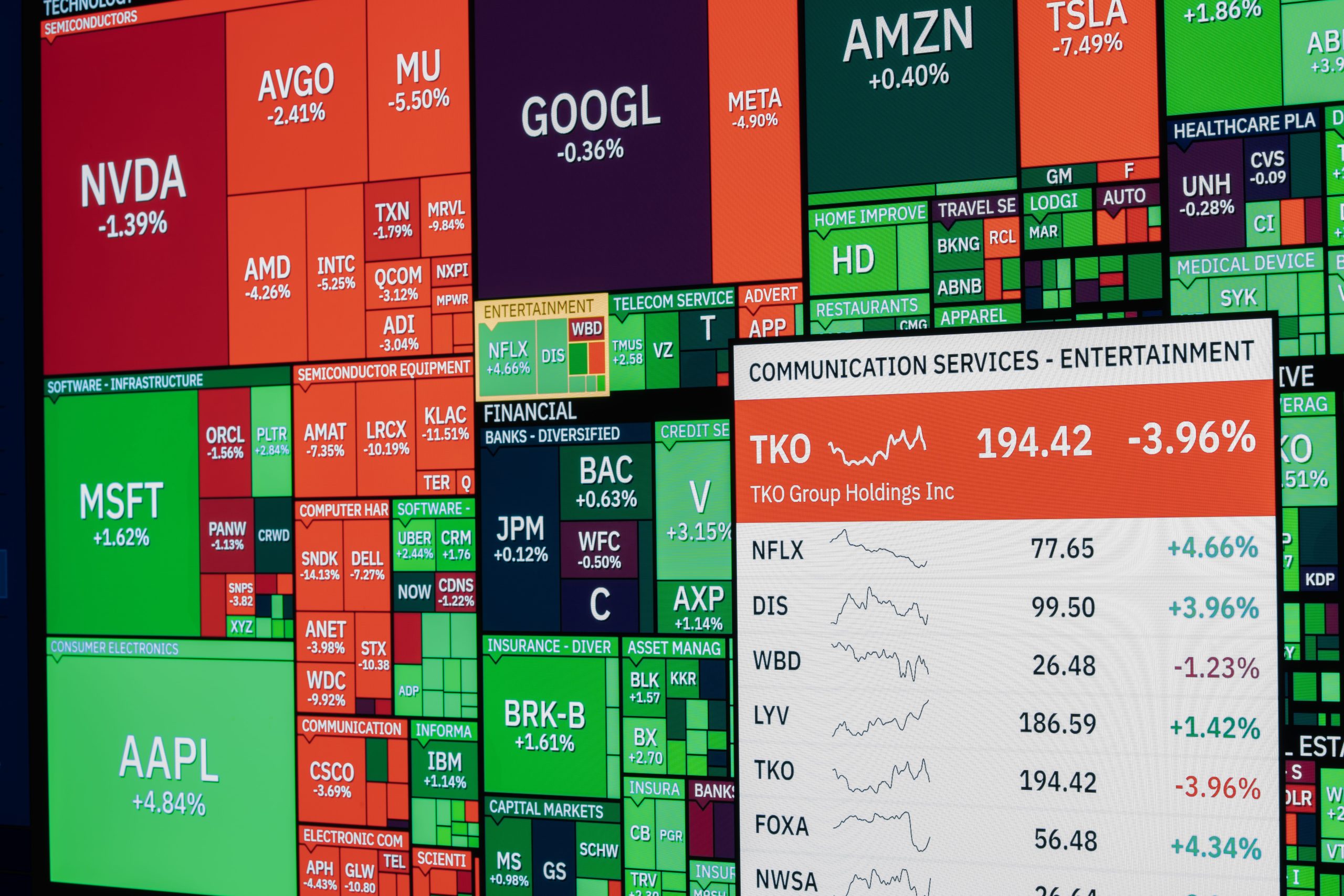
Asia-Pacific tech equities faced the most significant downward pressure with sharp intraday declines. The MSCI Asia Pacific Index fell by 0.5%, with core AI chipmakers leading the losses — South Korea’s SK Hynix and Samsung Electronics both plunged more than 3%. SoftBank Group tumbled over 12% in Tokyo trading, while the KOSPI, a key benchmark for AI-related investments, dropped 2.8%, emerging as the hardest-hit market amid the AI sentiment cooling.
U.S. stock index futures declined in tandem, with growth-oriented tech sectors under notable pressure. The Nasdaq 100 futures fell over 1%, and S&P 500 futures lost 0.6%, reflecting a synchronized pullback in global tech assets. As major beneficiaries of the AI boom, Japanese and Korean chip and tech companies have become the focal point of market attention. Investors are closely assessing whether the latest industry warnings will trigger cuts in corporate capital expenditure and further reshape earnings expectations across the entire AI supply chain.
Contrary to weak equity performance, international crude oil prices rallied strongly on geopolitical risks. New tensions in the Middle East emerged after Saudi Arabia shut down a major oil pipeline following a drone attack, while a scheduled meeting between Iran and Gulf states was postponed, stoking market concerns over tightened crude supply. Buoyed by these factors, Brent crude surged 3% to settle at $107.75 per barrel, firmly holding above the $100 threshold.
The rebound in oil prices has exacerbated global inflationary pressures and reinforced the case for Fed policy tightening. Following last week’s selloff that pushed the benchmark 10-year U.S. Treasury yield close to 5%, stronger-than-anticipated U.S. inflation data has further boosted market bets on a Fed rate hike this week. Swap traders now price in a nearly 90% probability of a rate decision hike on Wednesday. The 10-year U.S. Treasury yield edged down 1 basis point to 4.96% on Monday, remaining at an elevated level.
Market divergence has widened regarding the cooling AI industry outlook. U.S. President Donald Trump downplayed growing concerns over AI risks, adding uncertainty to the industry’s regulatory trajectory. A key market debate centers on whether leading global AI firms will genuinely slow the development of their most advanced and profitable models amid fierce competition from Chinese rivals. Meanwhile, investors are reassessing the investment logic of the AI sector, questioning whether returns from AI investments can justify soaring infrastructure costs. High-valued AI stocks remain highly vulnerable to signs of slowing returns or reduced spending, though some investors expect any pullback to be temporary thanks to robust structural demand for computing infrastructure.
Other asset classes saw mild fluctuations. Gold prices dipped 0.2% to around $4,340 per ounce, as market capital focused on Fed policy and oil price movements, temporarily easing safe-haven demand for bullion.
The global market is entering a super monetary policy week with heightened volatility expectations. The Federal Reserve will release its interest rate decision first, followed by policy announcements from the Bank of England and the Bank of Japan. These three key policy moves are set to reshape the global monetary policy landscape for the remainder of 2026 and beyond. With crude oil prices firmly staying above $100 per barrel and renewed frictions in the Middle East, hopes for easing global inflationary pressures have faded significantly. Policymakers face renewed anti-inflation challenges, keeping global borrowing costs elevated and market volatility at a high level.
[Disclaimer] Forex trading involves risk; please invest with caution. This content is for informational purposes and objective analysis only, and does not constitute any investment advice, basis for buying/selling, or guarantee of returns. Investors should make independent decisions based on their own financial situation and risk tolerance, and bear their own investment risks.