

10/09/2026

Overnight U.S. equities closed broadly lower with fading risk sentiment, dragging Asian‑Pacific stock markets down in tandem. The market correction is mainly driven by soaring international oil prices lifting inflation expectations and a sharp rise in U.S. Treasury yields. The dual headwinds weigh on global risk assets. Markets are highly focused on U.S. inflation data due this week, as Federal Reserve rate‑hike expectations pick up again and market volatility intensifies notably.
In equities, major U.S. benchmarks finished in negative territory. The S&P 500 fell 0.5%, led by losses in industrials and consumer discretionary sectors. Growth stocks also came under pressure, with the Nasdaq 100 slipping 0.3%, weighed down by large‑cap tech names including NVIDIA, Amazon and Alphabet. Spillover selling from Wall Street hit Asia‑Pacific markets. The MSCI Asia Pacific Index edged down 0.4%. Benchmark indices in Japan, South Korea and Australia all posted losses amid soft regional risk appetite.
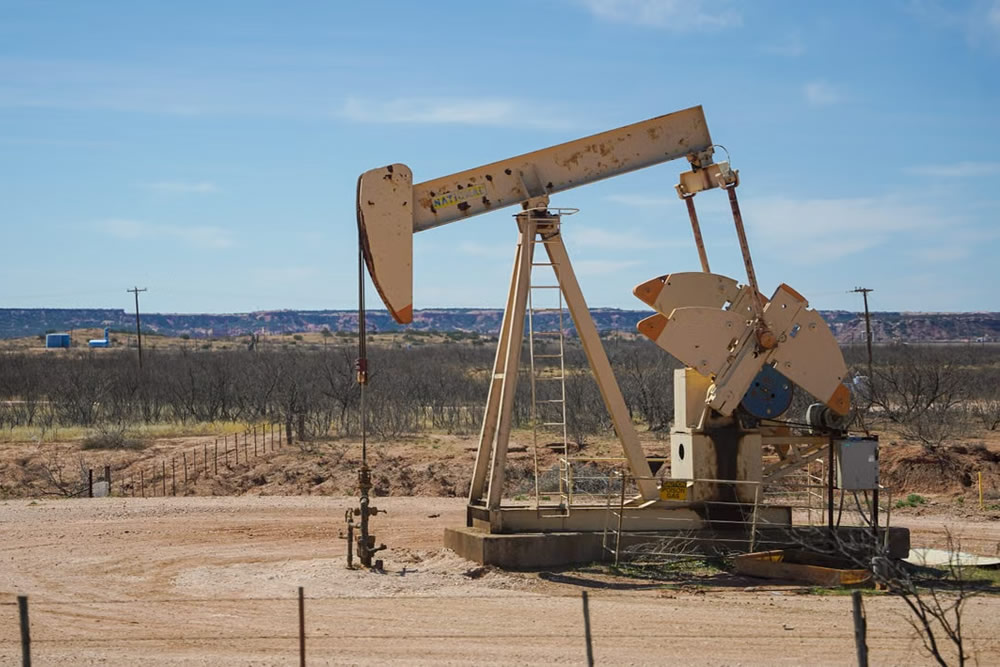
On the commodity front, geopolitical tensions keep oil prices well‑supported. Brent crude hit an intraday high of $101.94 per barrel on Thursday, holding above $101 before paring some gains. Renewed hostilities in the Middle East have stoked worries over energy supply. Iran has vowed to prepare for intensified conflict. According to U.S. President Trump, the ongoing seven‑month conflict is unlikely to ease anytime soon and will not end until after the November mid‑term elections, implying gasoline prices will not drop meaningfully in the near term.
U.S. bonds sold off alongside risk assets, sending yields higher. The 10‑year U.S. Treasury yield climbed to 4.85% during U.S. trading hours, marking its highest level since late 2023. The move came after the U.S. government unveiled a long‑term Treasury buyback plan capped at $6 billion, which disappointed investors expecting a larger purchase size and triggered selling in long‑dated bonds.
Market attention is now squarely on U.S. inflation prints and the Fed’s policy path. The U.S. will release August Producer Price Index (PPI) data on Thursday, followed by the Consumer Price Index (CPI) on Friday. These readings will be pivotal for the Fed’s September policy meeting. Swap markets price in around a 62% probability of a 25‑basis‑point rate hike on September 16, up from 60% on Tuesday. Markets broadly expect at least two rate hikes by the middle of next year, reinforcing monetary tightening bets.
“ The longer high prices persist, the harder it will be for markets to shake off inflation shocks,” said Evelyn Gomez‑Lichty, Multi‑Asset Strategist at Mizuho International.
Elias Haddad of Brown Brothers Harriman added that strong CPI figures would all but lock in a September rate hike and underpin the U.S. dollar. Soft inflation data, by contrast, would justify keeping rates on hold and leave the greenback vulnerable to repricing of dovish Fed expectations.
In FX, the Japanese yen halted a three‑day winning streak, falling 0.1% to 153.65 per U.S. dollar. The yen had strengthened on Wednesday amid hawkish remarks from U.S. Treasury Secretary Scott Bessent. Traders are awaiting remarks from Bank of Japan board member Kōichi Masu later on Thursday for fresh clues on domestic monetary policy.
Global markets are trapped in a negative feedback loop driven by geopolitically‑fueled oil gains, rising inflation expectations, higher Treasury yields and mounting Fed hike bets. Risk assets remain under pressure. U.S. August inflation data will be the key near‑term catalyst. Its outcome will reshape rate‑hike expectations and steer moves across stocks, bonds, commodities and non‑U.S. currencies. Traders are advised to guard against equity volatility, monitor data‑driven repricing and maintain prudent position sizing.
[Disclaimer] Forex trading involves risk; please invest with caution. This content is for informational purposes and objective analysis only, and does not constitute any investment advice, basis for buying/selling, or guarantee of returns. Investors should make independent decisions based on their own financial situation and risk tolerance, and bear their own investment risks.
Related Posts