

02/09/2026

Driven by a sharp surge in crude oil prices, global bond yields moved higher while mounting concerns over a rebound in inflation and tighter monetary policy across major central banks weighed on Asian stock markets.
In regional equity trading, the MSCI Asia Pacific Index fell 1%, with South Korea’s benchmark index dropping 2.9%. U.S. equities had weakened earlier, with the S&P 500 notching its third consecutive daily decline and the Nasdaq 100 down 1.3%. Dell Technologies bucked the downtrend, rising approximately 7% in after-hours trading after the company raised its full-year sales outlook.
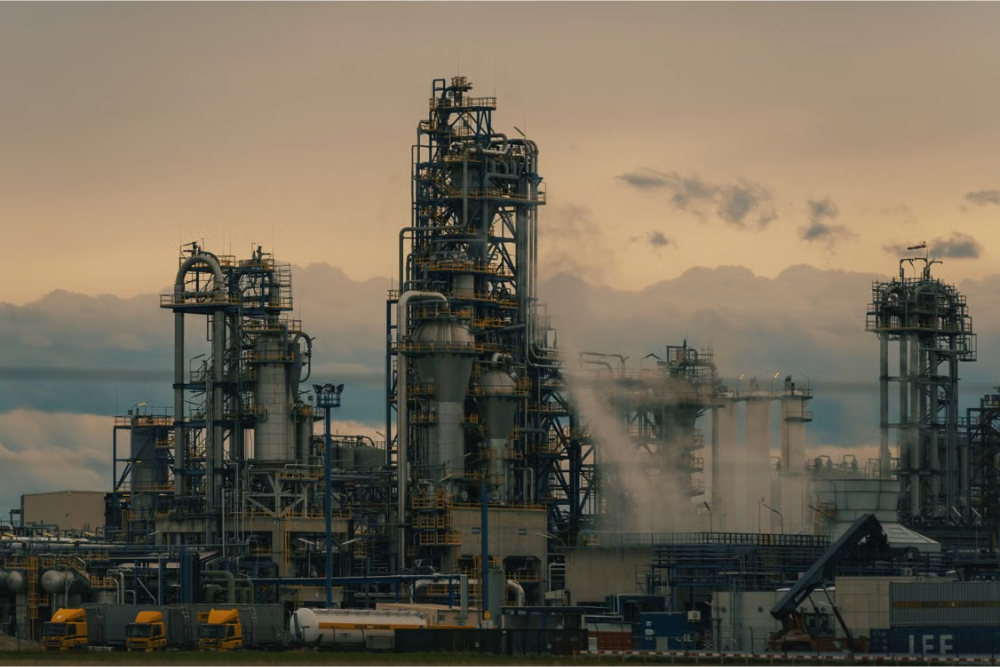
In the commodity market, crude oil extended its upward momentum, with Brent crude trading near $95.30 per barrel. The renewed U.S.-Iran geopolitical confrontation has heightened risks of disrupted oil shipments through the Strait of Hormuz, fueling the latest oil rally. The surge in energy prices has intensified pressure on global bonds, pushing worldwide bond yields to their highest level since 2008 and prompting markets to ramp up bets for Federal Reserve interest rate hikes.
Global bond markets continued to sell off. In the previous New York session, the 10-year U.S. Treasury yield rose 5 basis points to 4.80%. Australian and New Zealand government bonds opened lower on Wednesday in tandem with U.S. Treasury moves. In precious metals, gold extended losses from the previous session and traded around $4,330 per ounce.
Inflationary pressures continue to build, with soaring energy prices adding fresh upward momentum. Persistent government spending and massive corporate borrowing to fund artificial intelligence infrastructure expansion have already kept global inflation elevated. As market expectations for a September Fed rate hike firm up, investors are closely tracking oil prices and bond yields for further downside signals in equities.
Geopolitical tensions in the Middle East have flared up once again. U.S. President Donald Trump stated that the U.S. airstrike was a retaliatory response to Iran’s mine-laying operations in the Strait of Hormuz and its prior attacks on U.S. military bases in Jordan. Following the U.S. airstrikes, Iran claimed to have launched missile attacks against U.S. air bases located in Jordan.
The Middle East region had seen relative calm in prior weeks, as the Trump administration shifted its pressure campaign against Tehran from military operations to economic sanctions. However, since the collapse of the interim peace agreement, neither side has shown willingness to resume diplomatic negotiations.
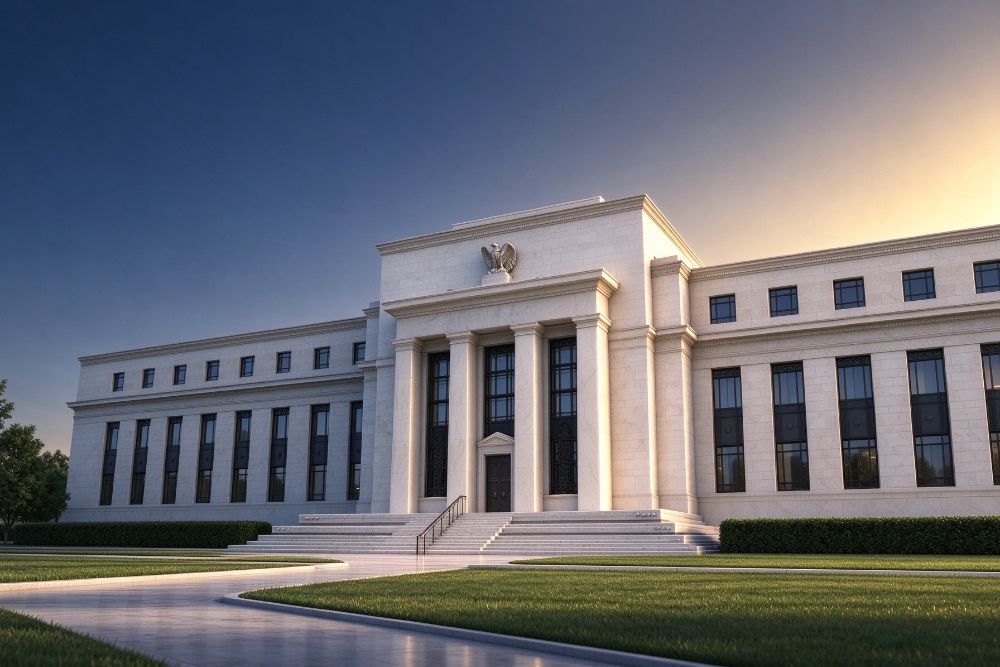
Renewed geopolitical tensions, compounded by a deepening global bond selloff, have created headwinds for Wall Street. Federal Reserve Chair Kevin Walsh delivered hawkish remarks at last week’s Jackson Hole Symposium, further solidifying market expectations for monetary tightening. Markets are currently pricing in around a 70% probability of a Fed rate hike in September.
Fed officials have continued to adopt a hawkish stance. Fed Governor Michael Barr noted that the central bank should remain ready to raise interest rates if inflation fails to cool. He warned that price pressures could prove persistent, with U.S. inflation having stayed above the official target for more than five consecutive years.
With U.S. inflation still running above the Fed’s 2% target, the upcoming U.S. August nonfarm payroll report due this Friday will serve as a critical indicator for the Federal Reserve’s next monetary policy moves.
[Disclaimer] Forex trading involves risk; please invest with caution. This content is for informational purposes and objective analysis only, and does not constitute any investment advice, basis for buying/selling, or guarantee of returns. Investors should make independent decisions based on their own financial situation and risk tolerance, and bear their own investment risks.
Related Posts