
31/08/2026

Driven by escalating tensions in the Middle East and hawkish remarks from the Federal Reserve, market markets diverged notably in the Asian morning session, with international oil prices rising, US stock futures under pressure, and the US dollar maintaining a strong trend.
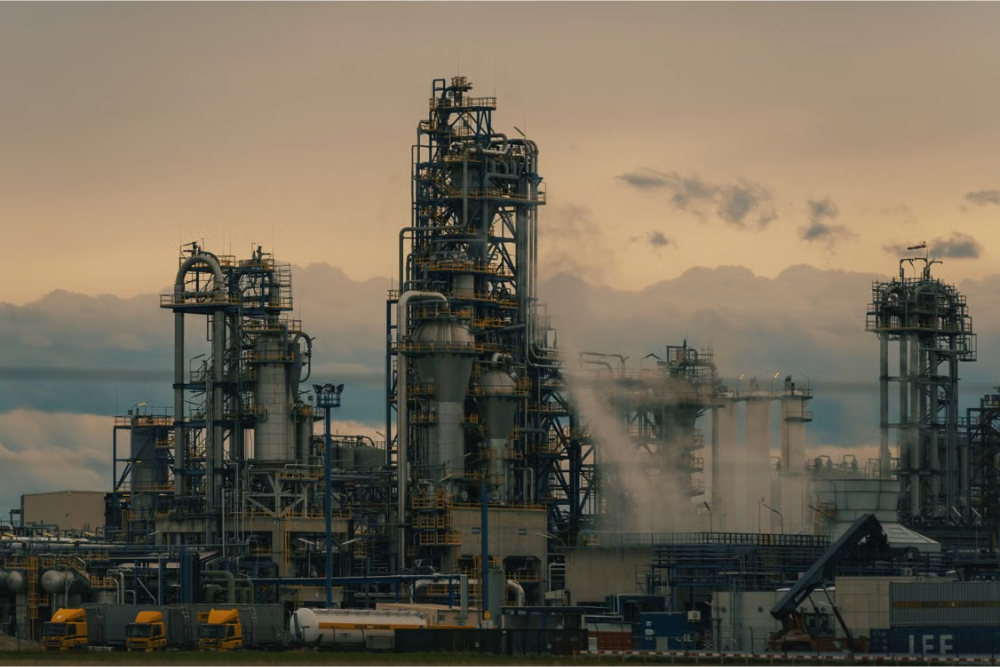
In terms of geopolitics, tensions around Iran have flared up again after weeks of relative calm. The US military recently struck an Iranian rocket launch site, which was reportedly preparing to deploy naval mines in the Strait of Hormuz. This marks Washington’s first military action against Iran in more than a month. The renewed conflict has boosted safe-haven demand for crude oil, lifting Brent crude, the global benchmark, by 1.9% to $89.75 per barrel. Risk-off sentiment weighed on risk assets, pulling down both S&P 500 and Nasdaq 100 futures by approximately 0.3%.
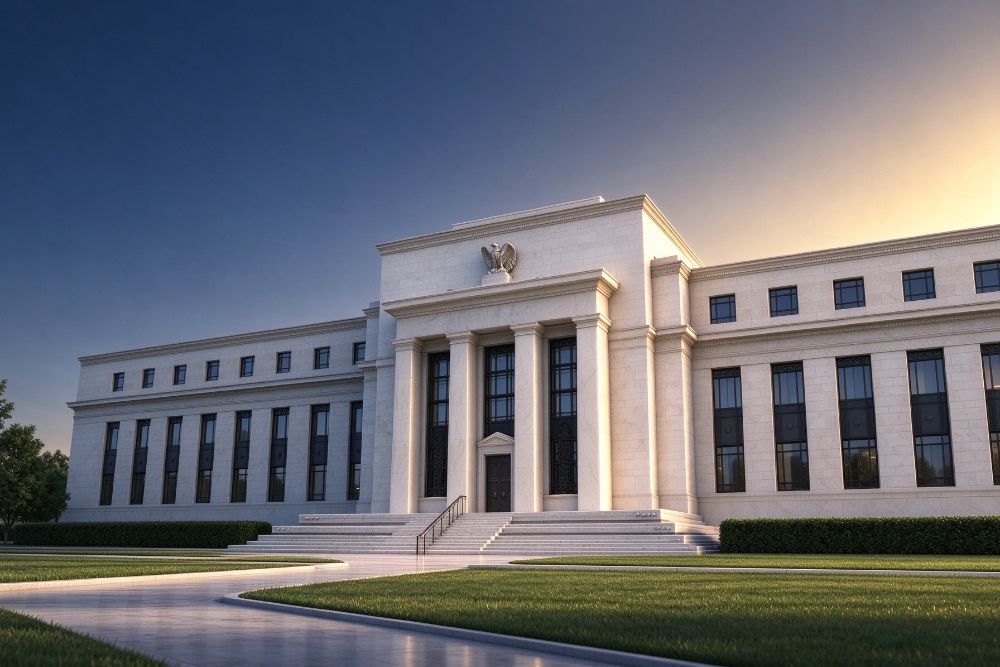
Shifting Federal Reserve policy expectations constitute another core factor driving market movements. Newly appointed Fed Chair Kevin Walsh delivered his first major public speech at the Jackson Hole Economic Symposium last Friday, sending clear hawkish signals and significantly raising market expectations for a Fed rate hike next month.
In his speech, Walsh emphasized the importance of inflation control, stating that inflation has not truly eased and reaffirming the Fed’s firm 2% inflation target. He noted that policymakers will maintain tightening measures if they fail to confirm a sustained slowdown in inflation, adding that current financial conditions are not restrictive and interest rates remain the primary tool for the Fed to fulfill its policy mandate. Nevertheless, he did not explicitly endorse a rate hike in September. Following the comments, market pricing adjusted sharply, pushing the probability of a September Fed rate hike up to 60%.
Changes in monetary policy expectations triggered cross-asset volatility. US semiconductor stocks faced selling pressure, while US Treasury prices fell and yields climbed, with the rate-sensitive two-year Treasury yield rising sharply. In the foreign exchange market, the US dollar notched its largest single-day gain in nearly a month after Walsh’s speech, before trading within a narrow range afterward.
The Japanese yen bore notable pressure, with the USD/JPY pair hitting a one-month low and hovering around 160.15, erasing more than half of the gains stemming from Japan’s previous currency intervention. Market participants are now closely watching for tougher rhetoric or intervention measures from Japanese authorities to curb the yen’s persistent depreciation.
Furthermore, the latest US military strike on Iran aligns with the Trump administration’s hardened stance toward the country. The US is now adopting multiple approaches including intensified economic pressure and military deterrence to force Iran back to the negotiating table, laying the groundwork for continued volatility in Middle East geopolitics and commodity markets.
[Disclaimer] Forex trading involves risk; please invest with caution. This content is for informational purposes and objective analysis only, and does not constitute any investment advice, basis for buying/selling, or guarantee of returns. Investors should make independent decisions based on their own financial situation and risk tolerance, and bear their own investment risks.
Related Posts