
10/08/2026

Oil prices extended their recent rally while U.S. Treasury prices declined, as Iran refused to hold negotiations with the United States and no final agreement was reached to reopen the strategically critical Strait of Hormuz, stirring broad fluctuations across global commodity, equity and bond markets.
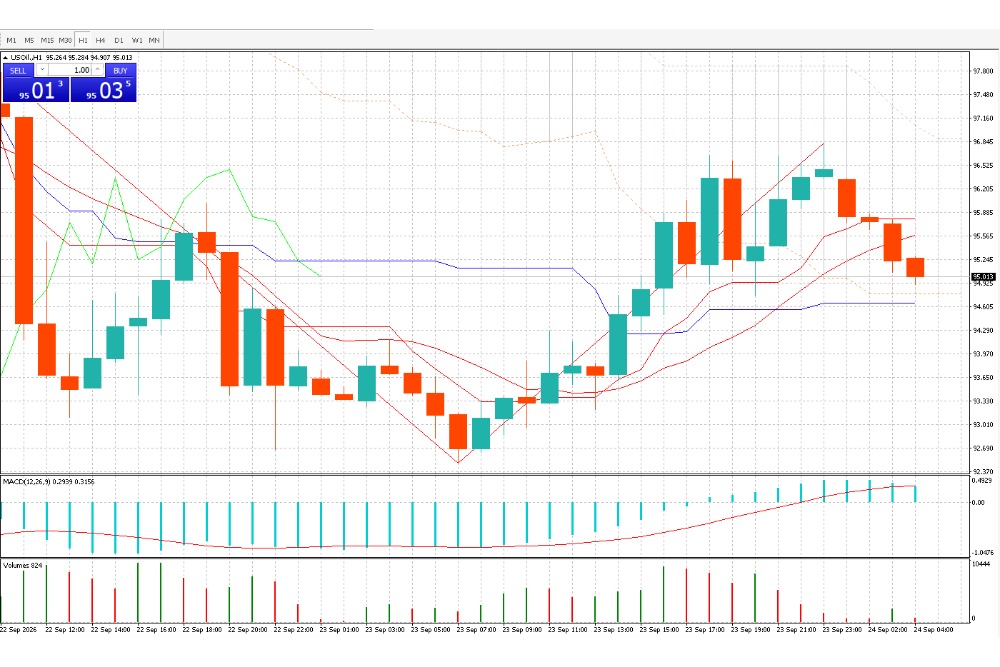
Brent crude, the global oil benchmark, rose 1.1% to settle at $84.50 per barrel, building on a more than 5% gain over the previous three trading sessions. Sustained supply concerns stemming from geopolitical tensions continued to underpin oil prices. Alongside rising crude prices, U.S. Treasuries gave up part of last Friday’s gains, pushing the 10-year Treasury yield up 1 basis point to 4.66%. Japanese government bonds with similar maturities saw a modest yield decline, while the U.S. dollar strengthened amid the market shifts.
Asian equities rallied 0.8%, recovering from earlier weakness, led by a broad uptick in chipmaker stocks across South Korea and Japan. South Korea’s KOSPI index surged as much as 2% intraday before paring gains, with industry heavyweights Samsung Electronics and SK Hynix leading the market advance. Wall Street posted sharp gains last Friday, with the S&P 500 hitting a fresh record high, as softer U.S. labor data eased market concerns over aggressive Federal Reserve monetary tightening.
Talks between Iran and Oman over the weekend failed to secure a final deal to reopen the Strait of Hormuz. Tehran put forward a new set of demands toward Washington, signaling limited relief for oil and gas supply tightness in the near term. Market participants are now closely watching the upcoming U.S. consumer price data due this week, which will serve as a key guide for the Federal Reserve’s next policy moves.
The latest U.S. jobs report signaled a cooling labor market, with unexpected job cuts in July and downward revisions to hiring data for the prior two months, pointing to a weaker job market than previously anticipated. According to interest rate swap data compiled by Bloomberg, traders have scaled back Fed hike expectations, cutting the probability of a September rate increase from 64% a week earlier to around 43%.
The softer employment figures initially buoyed U.S. Treasuries last Friday. The 2-year Treasury yield, the most sensitive to Fed policy shifts, tumbled 9 basis points at the release of the jobs data and closed 5 basis points lower at 4.19%, marking its steepest weekly drop since May. On Monday, the 2-year yield rebounded 2 basis points to 4.21%, driving a pullback in Treasury prices.
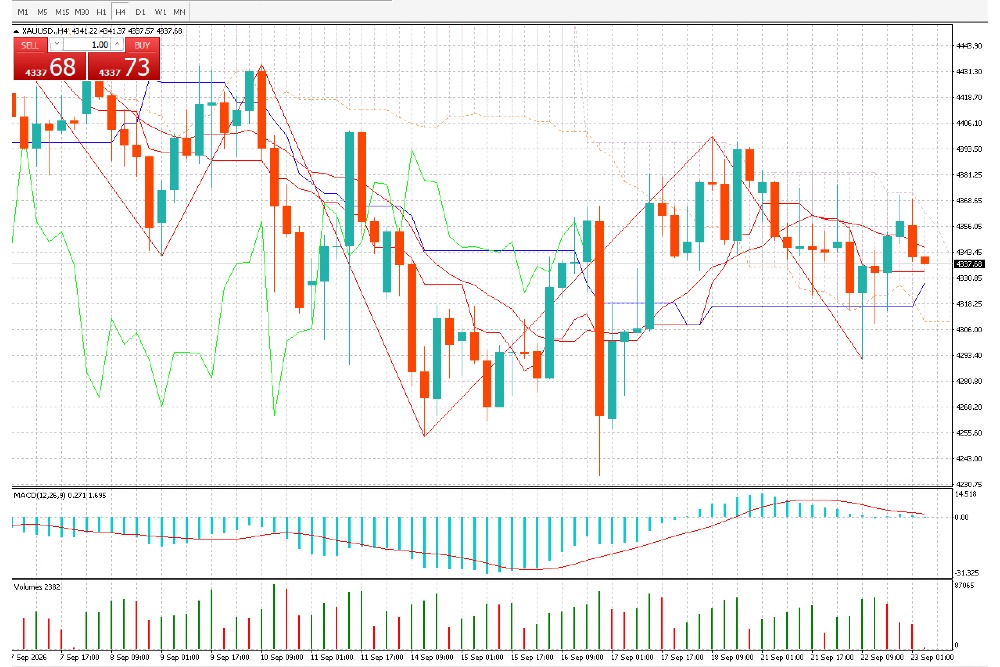
In precious metals, gold retreated 0.5% to around $4,320 per ounce after a strong rally. The precious metal jumped 7.3% in the prior week, notching its best weekly performance since January, before facing a technical pullback following the sharp run-up.
On the geopolitical front, U.S. President Donald Trump struck a patient tone on Iran in an interview with Axios on Sunday, stating that the United States could wait for Tehran’s economic hardships to force a shift in its negotiating stance. Weeks earlier, Trump had threatened massive airstrikes on Iran before walking back the hawkish rhetoric, noting he wanted to leave room for diplomatic negotiations.
[Disclaimer] Forex trading involves risk; please invest with caution. This content is for informational purposes and objective analysis only, and does not constitute any investment advice, basis for buying/selling, or guarantee of returns. Investors should make independent decisions based on their own financial situation and risk tolerance, and bear their own investment risks.
Related Posts

23/09/2026
23/09/2026