
11/08/2026

Renewed inflation concerns, driven by a four-day rally in global oil prices, have pulled down Asia-Pacific sovereign bonds alongside U.S. Treasuries. Market participants are closely awaiting key U.S. inflation data due later this week for clues on the Federal Reserve’s monetary policy path.
The yield on the U.S. 10-year Treasury note rose 6 basis points to 4.71% on Monday, pushing bond yields higher across Australia and New Zealand. Asian cash bond trading was closed on Tuesday due to a public holiday in Japan.
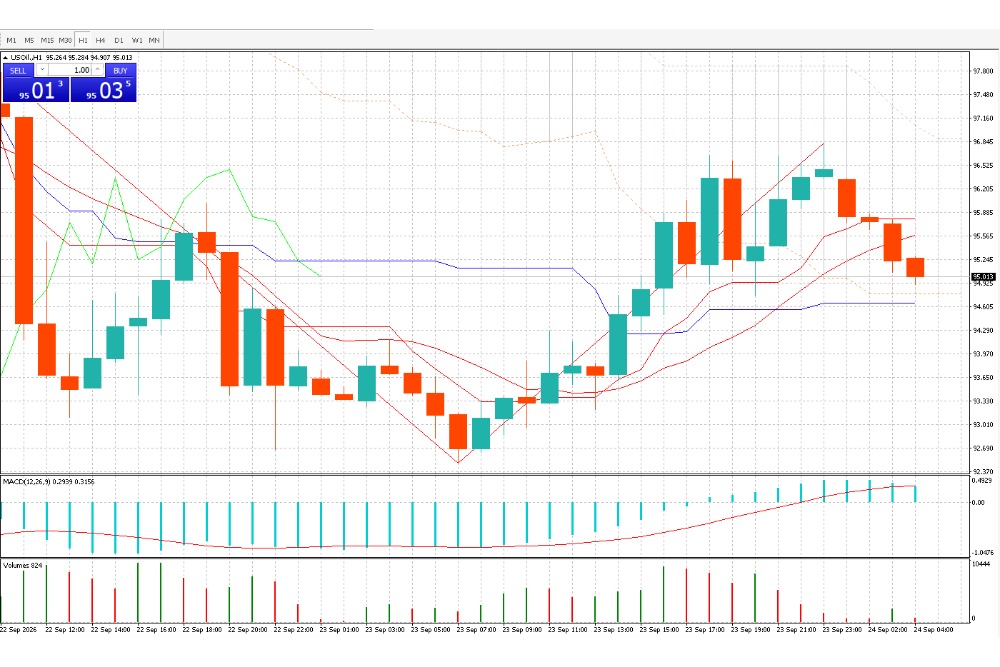
Crude oil extended its four-day winning streak amid heightened geopolitical uncertainty in the Middle East. U.S. President Donald Trump issued a new set of comprehensive demands to Iran, dismissing Tehran’s compensation claims in de-escalation talks and casting doubt on a potential deal to reopen the Strait of Hormuz. On Sunday, Trump stated that he would prioritize ramping up economic pressure on Iran rather than launching new military strikes, further fueling market worries over unstable energy supplies from the region. Brent crude edged up 0.2% to settle at $87.91 per barrel, following a sharp 5% surge on Monday.
The Japanese yen stood out as a key focus in the Asian foreign exchange market. The currency tumbled 1% on Monday, erasing roughly half of its recent gains driven by official intervention, a move that carried notable psychological implications for traders monitoring potential further government support. On Tuesday, the yen rebounded slightly by 0.1%, with the USD/JPY pair trading at 159.14.
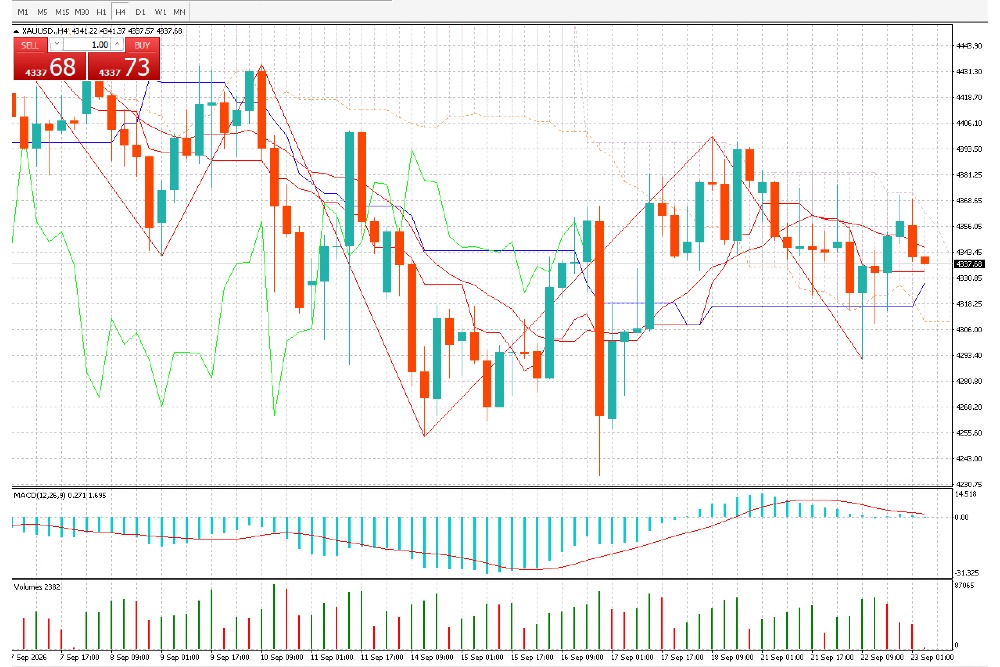
Equity and precious metal markets posted steady performances. The MSCI Asia Pacific Index climbed 0.2% after earlier fluctuating between gains and losses. Gold prices maintained their upward momentum, rising for the third consecutive trading day to around $4,430 per ounce.
Over the past week, sluggish progress in easing Middle East tensions has kept oil prices elevated and inflation fears simmering. Meanwhile, weaker-than-expected U.S. payroll data released last Friday tempered market expectations of an immediate Fed rate hike. Investors are now turning their full attention to the U.S. July Consumer Price Index (CPI) report scheduled for Wednesday, which will serve as a critical indicator for the Fed’s interest rate outlook. Economist surveys suggest the headline CPI may rise 0.1% month-on-month in July, reversing a 0.4% monthly decline recorded in June.
Latest remarks from Fed officials struck a hawkish tone. Cleveland Fed President Beth Hammack noted that multiple interest rate hikes may be necessary to bring inflation down to the central bank’s target level. In an interview with Yahoo Finance on Monday, Hammack pointed out that a single 25-basis-point rate adjustment would likely have a limited impact on the overall economy. She added that she would refrain from pre-judging policy outcomes and would make data-dependent decisions on the magnitude and pace of future rate moves.
[Disclaimer] Forex trading involves risk; please invest with caution. This content is for informational purposes and objective analysis only, and does not constitute any investment advice, basis for buying/selling, or guarantee of returns. Investors should make independent decisions based on their own financial situation and risk tolerance, and bear their own investment risks.
Related Posts

23/09/2026
23/09/2026