21/07/2026

Asian equities have rebounded after three consecutive days of declines, as the recent sell-off in chip stocks eased ahead of earnings releases from major tech companies this week.
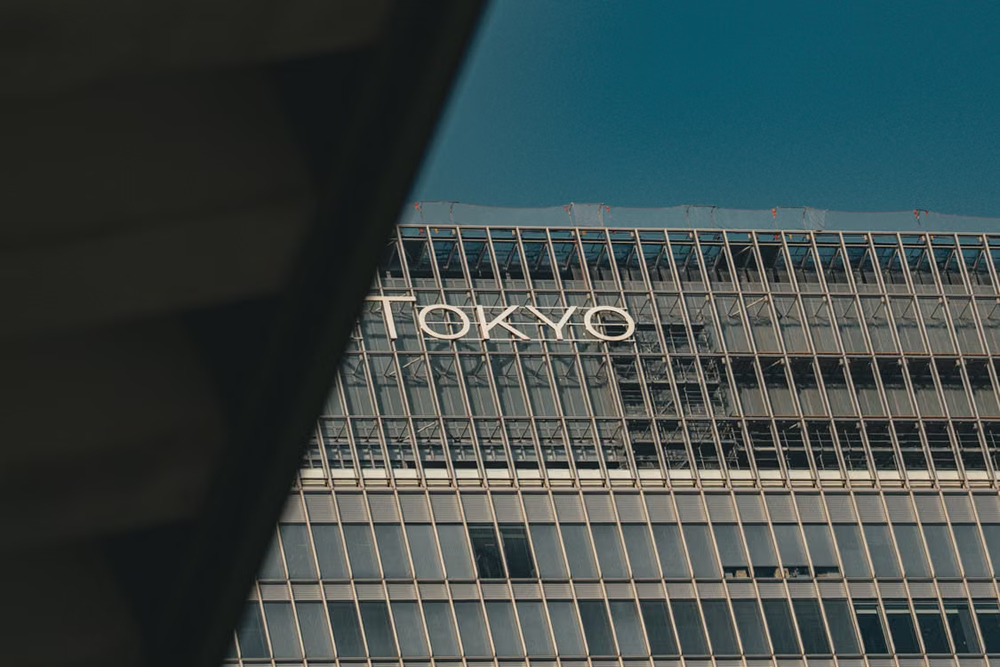
The MSCI Asia Pacific Index rose 0.5%. Japan’s Nikkei 225 gained 1.5% as markets resumed trading following a holiday on Monday. South Korea’s KOSPI erased early losses to edge up 0.2%, tracking a recovery in U.S. chip indexes from last week’s slump.
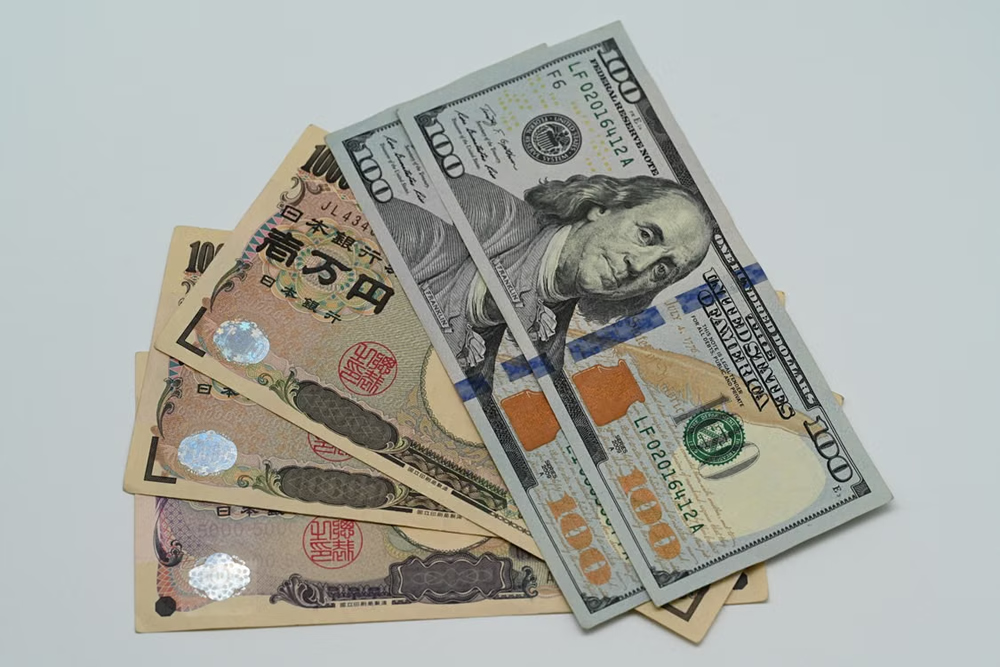
In foreign exchange markets, the Canadian dollar steadied after the U.S. administration threatened to impose a new 50% tariff on certain Canadian goods. The British pound held onto previous losses, following newly appointed British Prime Minister Andy Burnham’s surprise decision to name former Defence Secretary John Healey as Chancellor of the Exchequer.
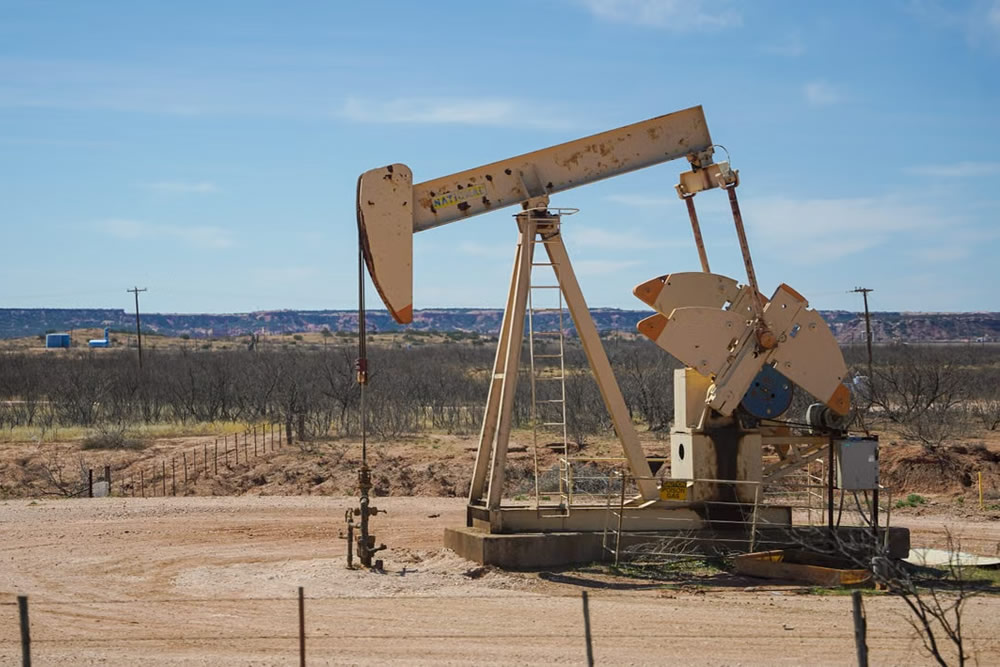
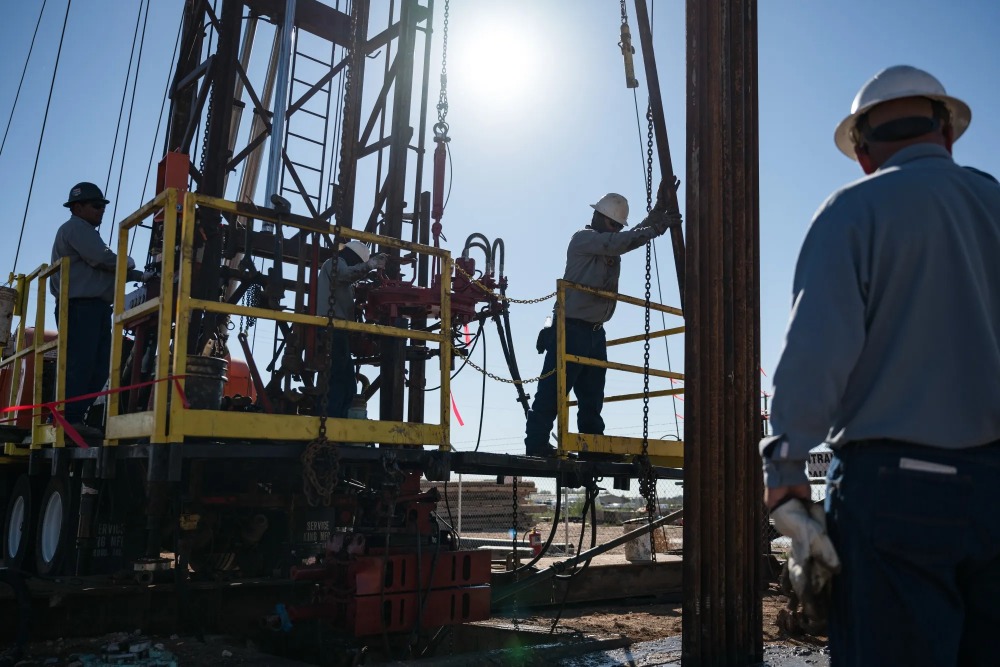
Brent crude oil fell 0.3% to around $89 per barrel. Traders are closely monitoring potential disruptions to Saudi Arabia’s oil exports after Houthi threats to block a key Red Sea shipping lane. Fears of elevated energy costs stoking inflation had driven bond prices lower in the previous trading session.
Elevated oil prices and escalating Middle Eastern geopolitical tensions have made investors more cautious and accelerated capital rotation after this year’s sharp rally in tech stocks. Market participants are now focused on upcoming earnings reports from major tech giants to assess the sustainability of the AI-driven market surge.
The U.S. big-tech earnings season is set to kick off, with companies facing mounting pressure to justify their massive AI investments. Tesla and Alphabet will kick off the earnings season on Wednesday, followed by Microsoft, Meta Platforms, Apple and Amazon in the coming week.
UK gilt prices declined on concerns over new fiscal policy signals from Prime Minister Andy Burnham. Monday’s selloff pushed long-term gilt yields to their highest level since late May, after Burnham stated he would seek “maximum flexibility” while abiding by government borrowing and spending rules.
U.S.-Canada trade tensions have flared up again. The U.S. government announced plans to levy a 50% tariff on select Canadian products, citing unfair trade practices by Canada against U.S. alcohol, automotive and dairy goods. The new tariffs, set to take effect in 30 days, will mark one of the toughest trade measures the U.S. has imposed on its second-largest trading partner.
Nevertheless, market attention remains firmly fixed on the Middle East. The U.S. military carried out strikes on Iranian targets after President Donald Trump warned Tehran would “pay the price” for the deaths of three U.S. service members. Amid heightened tensions, Iran-backed Houthi militants vowed to block Saudi maritime traffic, threatening a critical Red Sea shipping route.
This vital route supports Saudi Arabia’s daily crude oil exports of millions of barrels via its cross-country pipeline system that bypasses the Strait of Hormuz. Saudi Arabia has stated it will take all necessary measures to protect its shipping vessels in response to the Houthi threats.
[Disclaimer] Forex trading involves risk; please invest with caution. This content is for informational purposes and objective analysis only, and does not constitute any investment advice, basis for buying/selling, or guarantee of returns. Investors should make independent decisions based on their own financial situation and risk tolerance, and bear their own investment risks.
Related Posts