
10/06/2026

Global markets have experienced sharp volatility amid heightened Middle East tensions following U.S. military strikes on Iran. Asian equities declined broadly with persistent selling pressure on tech stocks, while international crude oil prices surged. The U.S. dollar strengthened on safe-haven demand as overall market volatility climbed sharply. Investors are now squarely focused on the U.S. inflation report due on Wednesday, which is set to offer critical clues on the Federal Reserve’s interest rate trajectory.
Asia-Pacific markets faced broad downward pressure with intensified sell-offs. The MSCI Asia Pacific Index fell 0.8%, erasing part of its rebound seen on Tuesday and on track to post its fourth decline within five trading sessions. South Korea led the regional slump, with the KOSPI index plunging more than 3%. Chipmakers including SK Hynix saw steep share price drops, making the tech sector the worst-performing segment in the region.
U.S. equities also faced turbulent trading and sustained tech weakness. Wall Street saw wild swings on Tuesday, with the chip sector under notable pressure. Futures on the S&P 500 and Nasdaq 100 edged lower, while the Nasdaq 100 index closed 1.1% down. Investors continued to offload tech giants, the primary drivers of this year’s U.S. stock rally, weighing heavily on the tech sector.
Notably, U.S. markets exhibited clear sector rotation and divergence. While tech stocks retreated, nine out of the 11 S&P 500 sectors notched gains, led by defensive sectors. This marked a stark reversal from the market’s previous trend of narrow gains concentrated in a handful of tech megacaps.
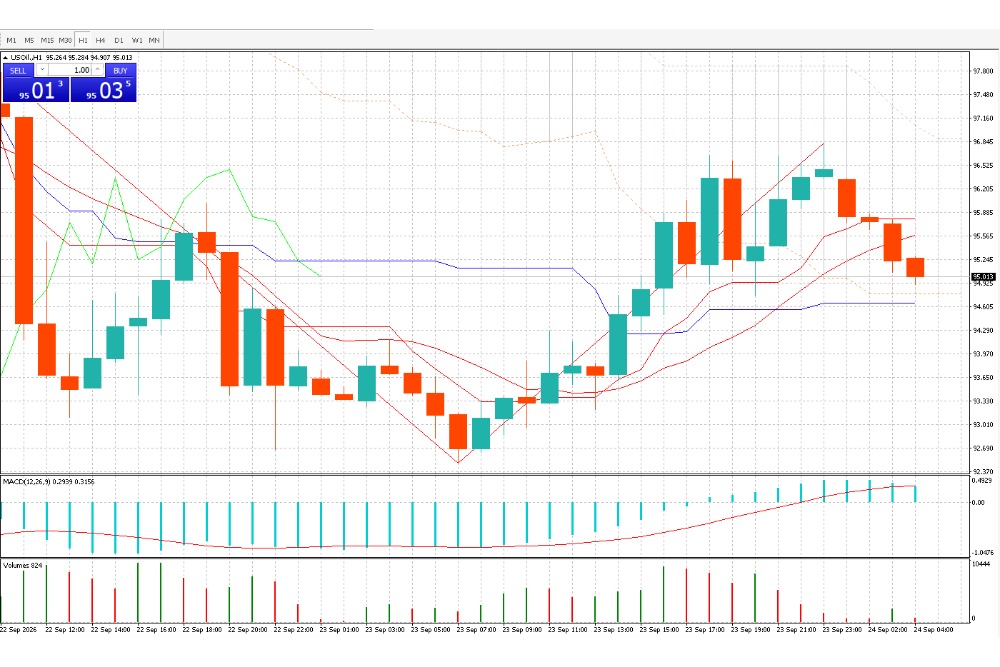
Escalating geopolitical tensions in the Middle East served as the core trigger for the latest market swings. The U.S. launched military strikes on Iran after an American military helicopter was downed by Iranian forces, shattering the fragile regional ceasefire and disrupting efforts to reopen the Strait of Hormuz. Amid heightened geopolitical risks, Brent crude rose 1.7% to settle at $93 per barrel.
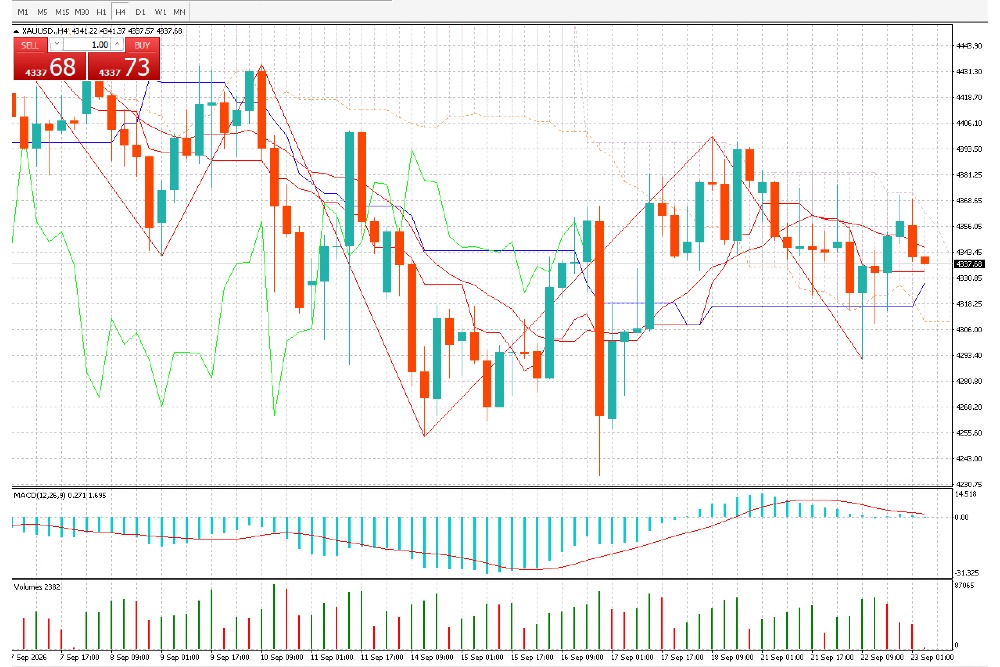
The U.S. dollar emerged as the top safe-haven asset, strengthening against nearly all G10 currencies. Other commodities and non-U.S. currencies underperformed. The Japanese yen hovered near its lowest level since April, with traders closely monitoring potential intervention by Japanese authorities to prop up the currency. Gold prices fell 1.4% to around $4,200 per ounce.
Global market risks continue to build, driving higher volatility. Escalating Middle East tensions and rising oil prices threaten to stoke renewed inflationary pressures. Meanwhile, robust U.S. jobs data has reinforced market expectations for Federal Reserve rate hikes, compounded by stretched U.S. stock valuations. Fed rate hikes typically trigger capital outflows from emerging markets, a stronger U.S. dollar and higher global borrowing costs, further weighing on equity markets.
Wednesday’s release of the U.S. May Consumer Price Index (CPI) report is now the key market focus, as it will provide decisive guidance on whether interest rates will remain higher for longer. Economists project U.S. annual CPI inflation to accelerate to 4.2% in May from 3.8% in the previous month. Core inflation, which excludes volatile food and energy prices, is expected to edge up slightly from 2.8% to 2.9%, pointing to renewed inflationary pressures.
[Disclaimer] Forex trading involves risk; please invest with caution. This content is for informational purposes and objective analysis only, and does not constitute any investment advice, basis for buying/selling, or guarantee of returns. Investors should make independent decisions based on their own financial situation and risk tolerance, and bear their own investment risks.
Related Posts

23/09/2026
23/09/2026