11/06/2026

Renewed geopolitical tensions in the Middle East have intensified as the United States launches fresh military strikes against Iran. Coupled with persistent sell-offs in high-valued U.S. technology stocks, global financial markets have faced heightened volatility, with equities declining and safe-haven commodities including crude oil and gold rallying notably.
1. Resurgent U.S.-Iran Conflict Effectively Collapses April Ceasefire
U.S. Central Command has initiated so-called “additional self-defense strikes”, conducting air raids on multiple targets inside Iran for two consecutive days. The military action came in retaliation for Iran’s response to the downing of a U.S. military helicopter. The ongoing confrontation has rendered the ceasefire agreement reached between the U.S. and Iran in April effectively defunct.
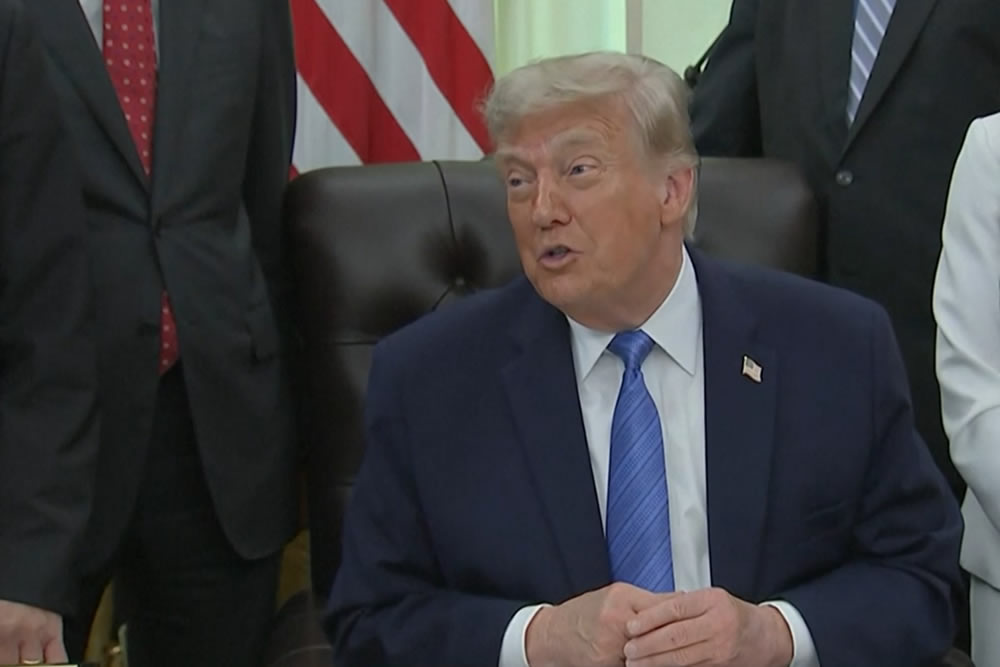
Unlike the large-scale bombardments in the early stage of the conflict, the latest U.S. airstrikes reflect the Trump administration’s growing frustration over the stalled U.S.-Iran negotiations and its hardened stance. Market risk sentiment eased slightly after the conclusion of the U.S. air campaign, delivering a mild rebound for financial assets.
2. Divergent Trends Across Global Asset Classes
Geopolitical risks weighed on Asian equity markets, pulling the MSCI Asia Index down by 0.7%. Trading sentiment remained fragile and bearish at the opening of the Asian session. However, market sentiment stabilized afterward, with Nasdaq 100 futures reversing early losses and climbing 0.6% at one point.
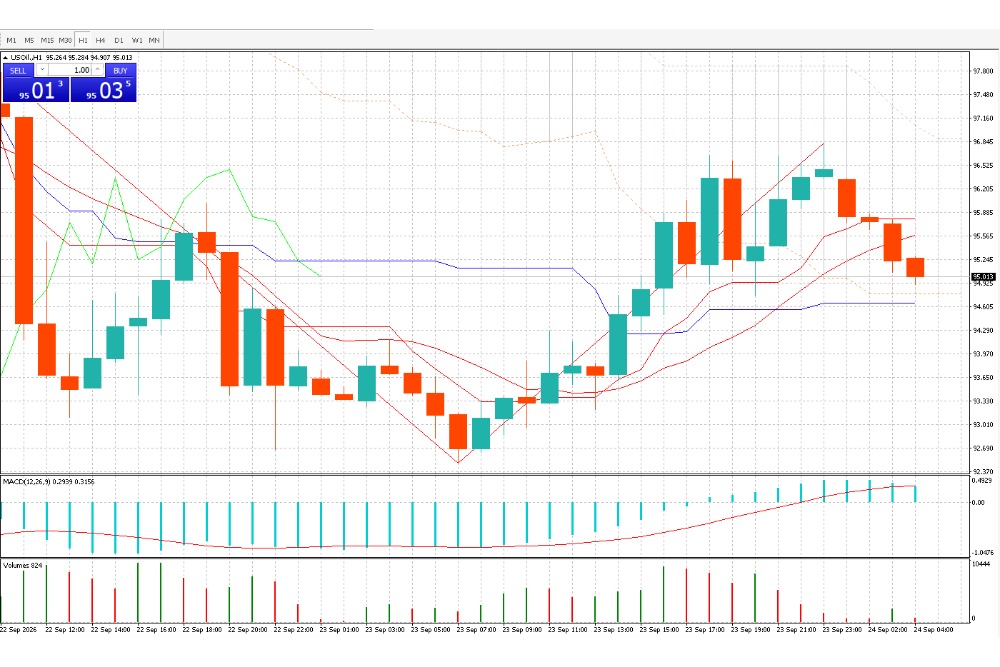
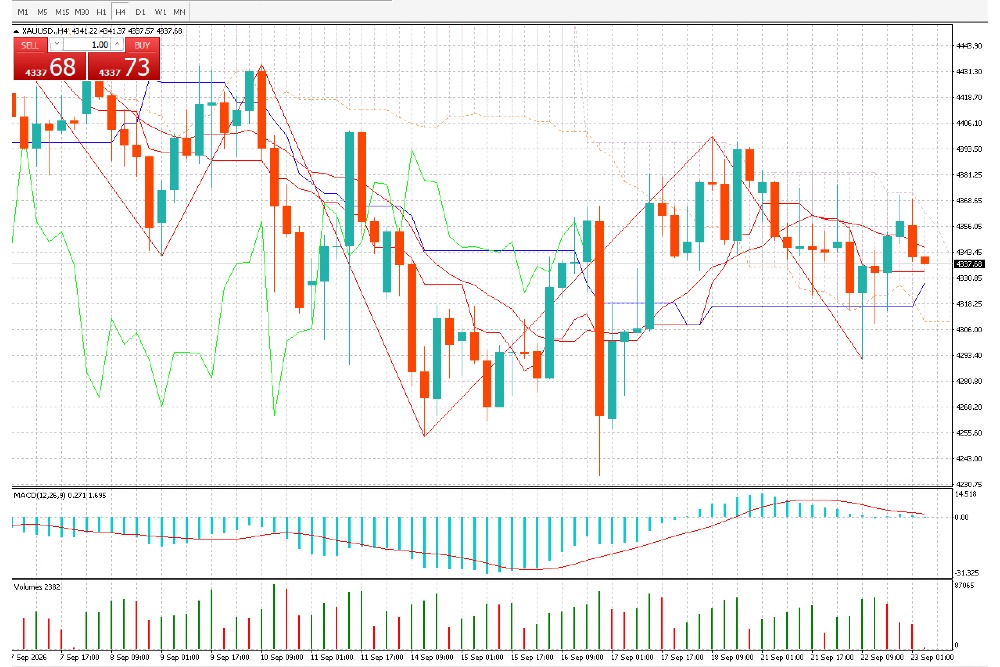
Commodities outperformed amid rising risk aversion and tightening supply expectations. Brent crude rose 1.4% to around $95 per barrel, having briefly broken the $95 threshold early on Thursday. The upward pressure on oil prices stemmed not only from Middle East supply concerns but also from ongoing strikes in the U.S., which have further constrained global oil supply. Gold also advanced nearly 1% to $4,110 per ounce, mirroring strong safe-haven demand.
The U.S. Treasury market traded steadily. After falling on Wednesday on market expectations of Federal Reserve rate hikes to curb inflation, U.S. Treasury prices remained largely flat on Thursday.
3. U.S. Tech Stocks Extend Pullback, Leading Market Declines
AI infrastructure and semiconductor sectors, the standout outperformers of the year, continued to face sustained selling pressure for the second straight day. Leading chipmakers including NVIDIA saw their share prices decline. The correction in previously overvalued tech stocks has cast doubts over the sustainability of the record-breaking U.S. equity rally.
Oracle’s stock slid in after-hours trading after the firm reported higher-than-expected quarterly capital expenditure, sparking investor concerns over its profitability and expansion pace.
4. Cooling U.S. Inflation Fails to Ease Rate Hike Expectations
U.S. inflation data showed marginal cooling, offering temporary relief to markets. The core U.S. Consumer Price Index (CPI), which excludes volatile food and energy prices, rose 0.2% month-on-month in April, below economists’ consensus forecast of 0.3%.
Nevertheless, moderating inflation has not altered market bets on Fed tightening. Treasury yields dipped briefly following the data release before rebounding alongside rising oil prices. Interest rate swap pricing indicates traders are fully pricing in a Fed rate hike in December, with expectations of higher borrowing costs continuing to weigh on market sentiment.
5. BOJ Governor’s Sudden Hospitalization Brings Policy Uncertainty
In overseas developments, Bank of Japan (BOJ) Governor Kazuo Ueda has been admitted to hospital unexpectedly and will miss next week’s monetary policy meeting, raising uncertainties over Japan’s near-term policy outlook. The USD/JPY exchange rate traded flat at 160.49 amid the news.
[Disclaimer] Forex trading involves risk; please invest with caution. This content is for informational purposes and objective analysis only, and does not constitute any investment advice, basis for buying/selling, or guarantee of returns. Investors should make independent decisions based on their own financial situation and risk tolerance, and bear their own investment risks.
Related Posts

23/09/2026
23/09/2026