
28/05/2026

Escalating geopolitical tensions and military confrontations in the Middle East have erased market optimism over a potential ceasefire agreement between the United States and Iran, triggering sharp volatility across global financial markets. Asset performance diverged significantly: international crude oil prices surged, global stocks, bonds, gold and Bitcoin declined broadly, while the U.S. dollar strengthened on safe-haven demand.
1. Global Equities Pull Back Sharply Led by Asian Markets
The MSCI All Country World Index, the broadest benchmark for global equity markets, retreated from historic highs, falling 0.4%. Asian equities posted a steeper drop of 2%, ending a five-session winning streak previously driven by hopes of a peace deal and a tech stock rally. Futures markets point to extended losses in U.S. and European equities in subsequent trading.
2. U.S.-Iran Military Clashes Push Crude Oil Higher
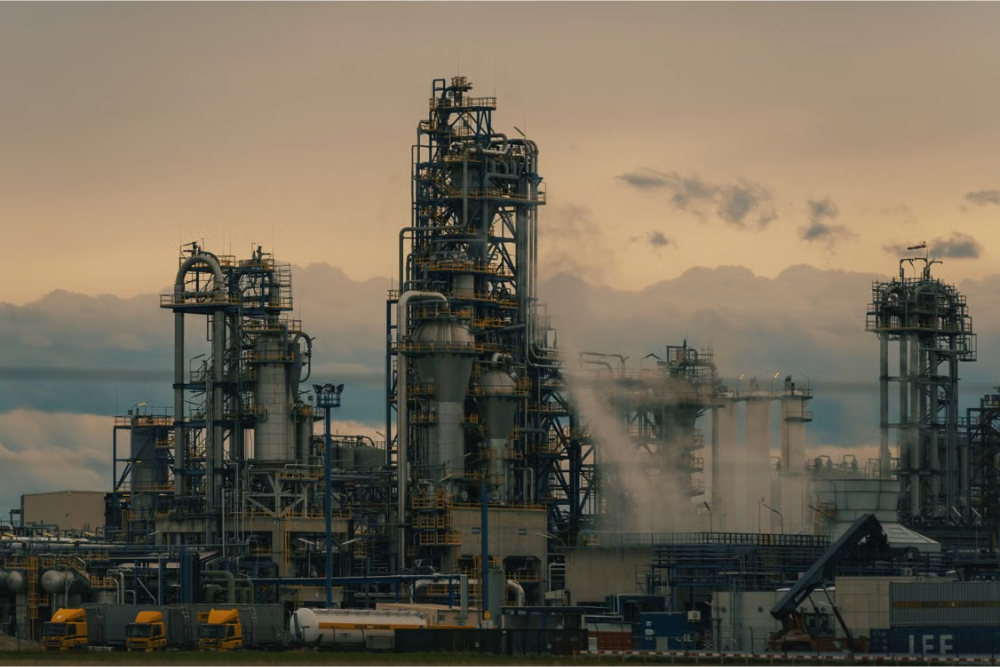
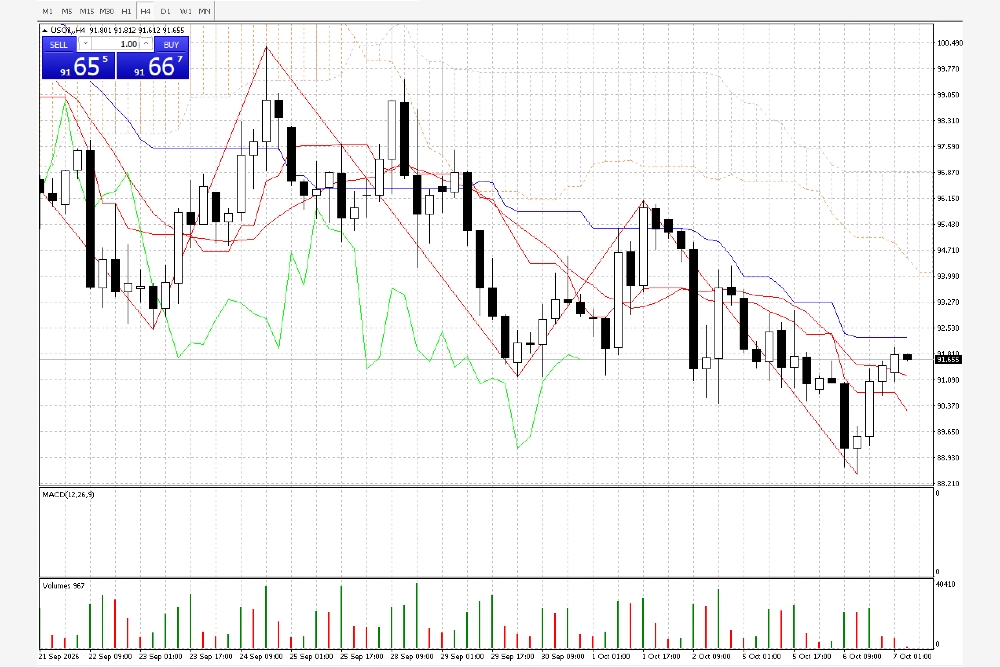
The latest market turbulence stems from U.S. military strikes and expanded sanctions targeting Iran. The U.S. carried out airstrikes on Iranian military facilities and imposed new restrictions to curb Iran’s revenue from shipping activities through the Strait of Hormuz. Heightened supply concerns amid regional tensions drove Brent crude up nearly 3.7% to around $98 per barrel.
The two sides offered conflicting accounts of the confrontation. The U.S. described the airstrikes as defensive operations, while Iran stated its military strikes targeted U.S. air bases in retaliation. A U.S. official confirmed that U.S. forces shot down four Iranian one-way attack drones targeting a commercial vessel and struck another Iranian drone launch site near Bandar Abbas along the Strait of Hormuz. According to sources from the Islamic Revolutionary Guard Corps, Iran launched retaliatory attacks on the U.S. air bases that initiated the strikes. Kuwait stated that the tit-for-tat actions were responses to hostile missile and drone threats.
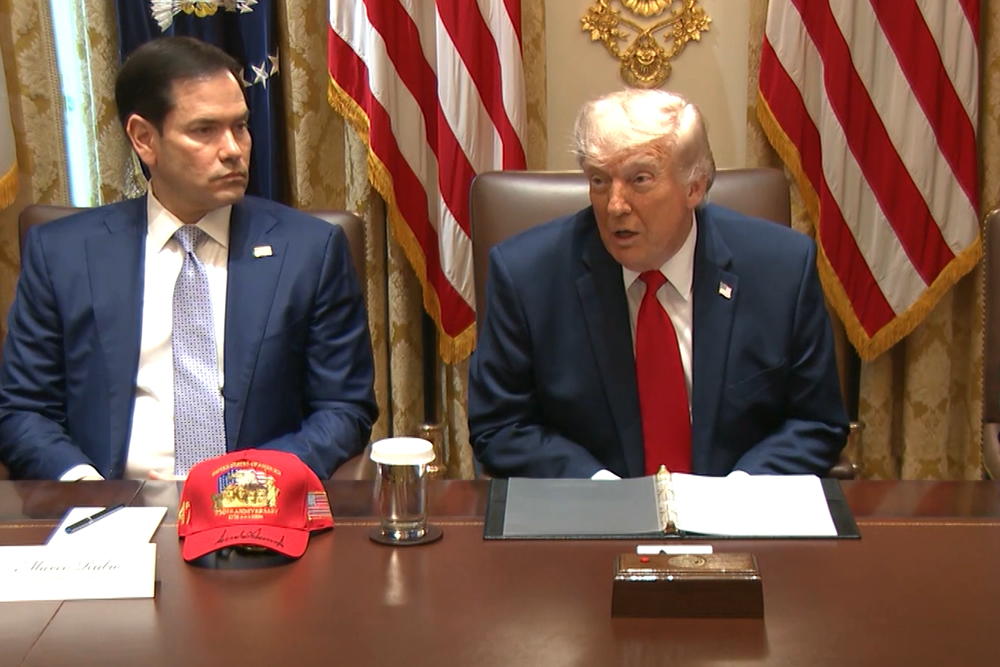
Meantime, prospects for U.S.-Iran diplomatic breakthroughs have faded. Former U.S. President Donald Trump stated that he was “not satisfied” with ongoing negotiations with Iran, cooling market expectations of a near-term deal. He also asserted that no single nation could control the Strait of Hormuz, highlighting the core deadlock in the four-month-long conflict.
3. Broad Asset Selloff Boosts U.S. Dollar
Deteriorating market sentiment driven by Middle East geopolitical risks triggered a widespread selloff across risk assets. The U.S. dollar strengthened markedly as the primary safe-haven currency amid regional turmoil.
Soaring oil prices amplified inflation concerns, weighing heavily on the U.S. Treasury market. U.S. bond prices fell, pushing the benchmark 10-year Treasury yield 4 basis points higher to 4.53%. Other asset classes also faced pressure: gold tumbled 1.9% to $4,370 per ounce, while Bitcoin dropped to a six-week low.
4. Key Inflation Data Awaits Market Verdict
Global equities previously hit record highs on investor optimism that a U.S.-Iran truce would stabilize oil prices and bolster global growth. However, the latest conflict escalation has dashed such hopes, reviving fears of sustained high energy prices and persistent inflation, and suppressing overall market risk appetite.
Investors are now closely focused on April’s Personal Consumption Expenditures (PCE) index — the Federal Reserve’s preferred inflation gauge — due for release on Thursday, which is set to guide near-term market moves. Market participants are assessing whether elevated energy costs will keep inflation and interest rates higher for longer.
Official data showed the U.S. PCE price index rose 3.5% year-on-year in March, with economists projecting the April reading to climb further to 3.8%, well above the Federal Reserve’s 2% long-term inflation target, pointing to lingering inflationary pressures.
5. Fed Officials Signal Hawkish Inflation Stance
Facing resurgent inflation risks, senior Federal Reserve officials struck a cautious and hawkish tone. Federal Reserve Vice Chair Philip Jefferson projected that inflation may cool later this year as upward pressures from tariffs and higher energy prices gradually fade, while warning that inflation risks remain tilted to the upside.
Fed Governor Lisa Cook adopted an even more vigilant stance, noting that inflation is moving in the wrong direction. She emphasized readiness to raise interest rates if unfavorable inflation momentum persists. “I want to be clear on my risk assessment: the risks remain skewed toward higher inflation,” Cook stated on Wednesday.
Overall, elevated energy prices and persistent inflation uncertainty have complicated the policy outlook for global central banks. Traders are now awaiting the latest PCE data for fresh cues on the future path of interest rates and market trends.
[Disclaimer] Forex trading involves risk; please invest with caution. This content is for informational purposes and objective analysis only, and does not constitute any investment advice, basis for buying/selling, or guarantee of returns. Investors should make independent decisions based on their own financial situation and risk tolerance, and bear their own investment risks.
Related Posts