

22/05/2026

Asian equities extended their rally to a second consecutive trading session, on track for a weekly gain. Investor capital has been flowing steadily into artificial intelligence (AI) industry chain-related firms, serving as the core driving force behind the regional market’s upside momentum.
In terms of benchmark indices, the MSCI Asia Index rose 0.8%, with Japan’s Nikkei Index leading regional gains with a 2.7% single-day increase. Among individual stocks, SoftBank Group surged 13% on the Tokyo Stock Exchange, buoyed by the rising share price of its U.S.-listed chip subsidiary Arm Holdings Plc. Powered by strong profit growth in its AI-focused business, Lenovo Group’s Hong Kong-listed shares hit a 26-year high on the back of positive earnings results.
Global markets trended higher in tandem. U.S. stock futures edged up, with Nasdaq 100 futures climbing 0.4%, while European equities were poised for an upbeat open. Nevertheless, cautious sentiment stemming from geopolitical tensions capped further upside across major markets.
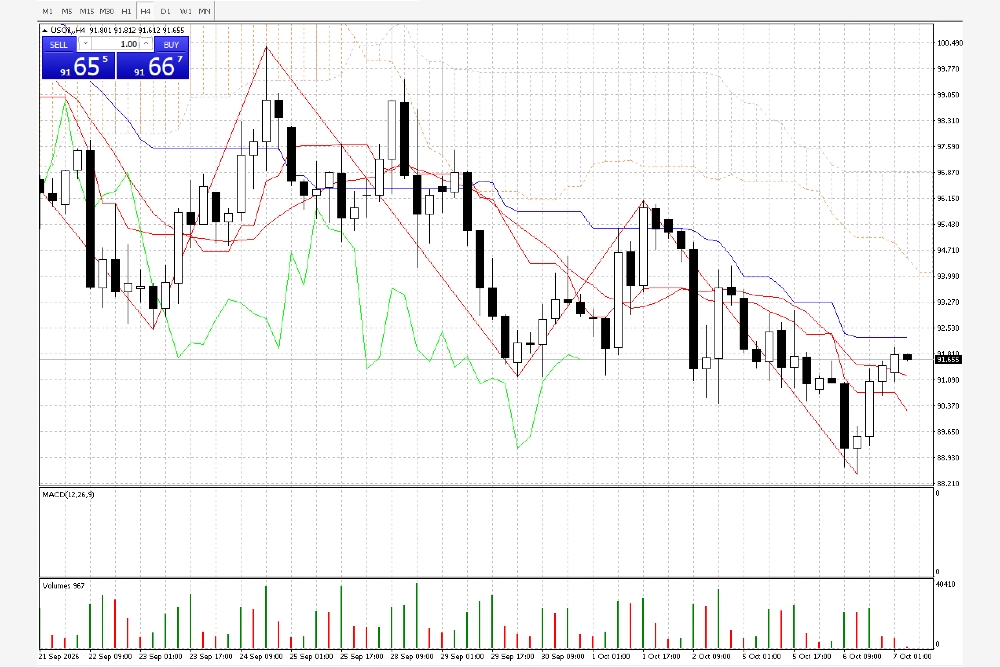
In the commodity market, international crude oil reversed a three-day losing streak and staged a strong rebound, with Brent crude climbing back above $104 per barrel. Market optimism over progress in U.S.-Iran negotiations was fully dampened after Iran issued statements regarding its uranium stockpile and shipping issues in the Strait of Hormuz, prompting a sharp recovery in oil prices.
Tech stocks have maintained a strong bullish trend so far this year. Global investors have continued to pile into core suppliers in the AI industrial chain. This dominant market theme has effectively offset negative impacts from Middle East geopolitical conflicts, pushing multiple global stock markets to record highs.
The rapid popularization of AI applications has triggered explosive demand for industrial hardware, further broadening market investment logic. Investors are no longer exclusively chasing leading advanced chipmakers such as TSMC and NVIDIA, but are expanding their exposure to a wider range of beneficiaries across the AI industry chain. Additionally, worsening global memory chip shortages and rapid advancements in robotics have also become key investment focuses for market participants.
Other asset classes showed divergent performance. International gold prices edged lower, trading at around $4,530 per ounce. In the foreign exchange market, the USD/JPY exchange rate hovered near 159, close to its lowest level since April 30, as Japan’s core inflation indicators slowed more sharply than market expectations.
Traders remain highly vigilant about the yen’s outlook. Lower market participation and thinning liquidity after the Tokyo market close are likely to exacerbate exchange rate volatility. Furthermore, holiday closures in London and New York will further reduce global market liquidity, leading market participants to price in a high likelihood of Japanese foreign exchange intervention on Monday.
Geopolitically, U.S.-Iran negotiations remain in a delicate deadlock. The latest U.S. proposal has narrowed differences between the two sides to a certain extent, signaling positive progress. U.S. Secretary of State Marco Rubio noted encouraging signs for a potential agreement, adding that Pakistani mediators are expected to travel to Tehran to advance negotiations. However, Iran has taken a hardline stance. The Iranian Supreme Leader’s insistence on retaining Tehran’s uranium stockpile, coupled with disputes over Strait of Hormuz passage, has cast a shadow over potential breakthroughs. Iranian President Masoud Pezeshkian also explicitly stated that Iran will make no concessions on core negotiation issues.
[Disclaimer] Forex trading involves risk; please invest with caution. This content is for informational purposes and objective analysis only, and does not constitute any investment advice, basis for buying/selling, or guarantee of returns. Investors should make independent decisions based on their own financial situation and risk tolerance, and bear their own investment risks.
Related Posts