05/05/2026

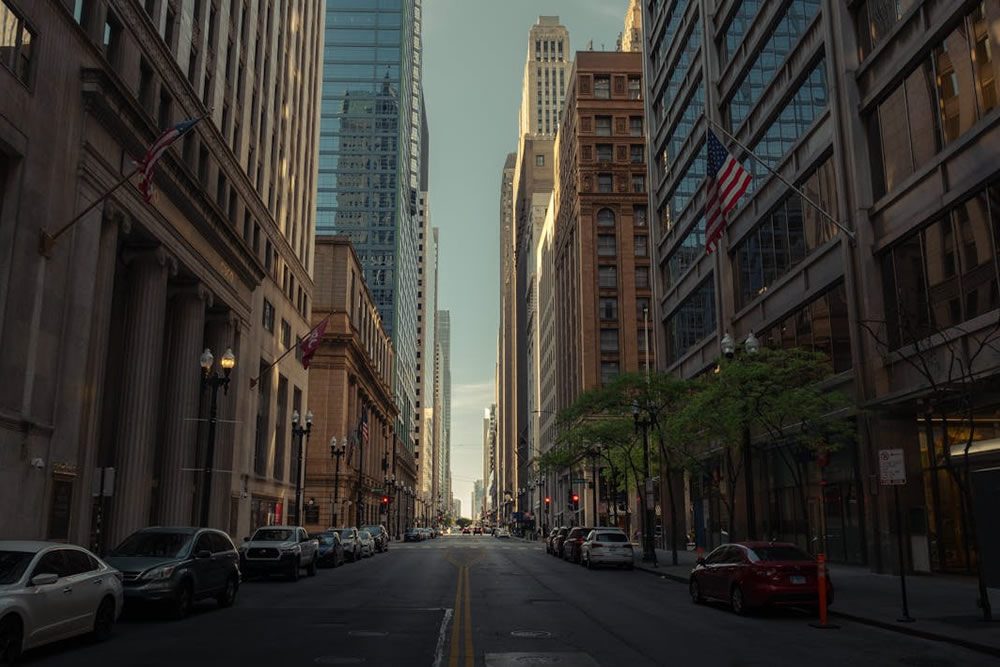
A team of JPMorgan strategists stated that the risk of a downgrade to New York City’s credit rating has risen significantly, with the core reason being the obstruction in advancing tax policies, leaving the city with very limited options for increasing revenue.
In a report released on Friday (led by strategist Peter DeGroot), the team clearly pointed out: “We believe the risk of a rating downgrade is already elevated, and the likelihood that Albany (the capital of New York State) will approve meaningful new revenue sources appears low, further increasing the downgrade risk.”
Currently, New York City is facing a two-year budget deficit of approximately $5.4 billion, a pressure that has attracted the attention of rating agencies — both Moody’s and Fitch have revised New York City’s rating outlook to negative. The city’s current credit rating is at a relatively high investment grade: Moody’s rates it Aa2 (the third-highest investment grade), while S&P Global Ratings and Fitch both assign it an AA rating.
The divergence over tax policies is the core conflict at present: New York City Mayor Zoran Mamdani has proposed several tax increase plans, but they have been opposed by New York State Governor Kathy Hochul. For example, Mamdani proposed limiting the tax credits used by hedge funds, private equity firms, and other enterprises. Both he and New York City Council Speaker Julie Menin stated that this reform would generate an additional $1 billion in fiscal revenue for the city, but Hochul explicitly vetoed the proposal.
However, Hochul and Mamdani have reached a consensus on one tax increase plan — a proposed surcharge on owners of second homes in New York City worth more than $5 million. A report from the New York City Comptroller’s Office on April 30 indicated that this tax on second homes is “the most likely, if not the only, new source of revenue.”
The proposed tax has sparked strong opposition from luxury home owners. On Monday, at the Milken Institute Global Conference, Bill Ackman, founder and CEO of Pershing Square, publicly expressed his dissatisfaction, stating that he is “very unhappy” with Mamdani’s idea of imposing a second-home tax on billionaires like Ken Griffin, and bluntly said, “You can’t drive people like Ken Griffin away.” As of now, the mayor’s spokesperson has not responded to the matter.
Combining comments from rating agencies, JPMorgan analysts pointed out that whether New York City’s credit rating can be maintained “depends on whether the final approved budget can meet two conditions simultaneously: narrowing the projected budget gap and maintaining various reserve funds through sustained measures.”
Mamdani stated in February that if no new revenue is obtained, the city government will be forced to take extreme measures — raising property taxes and using emergency reserves and the Retiree Health Benefits Trust Fund (which is used to pay for retirees’ healthcare costs), emphasizing that this would be a last resort.
But JPMorgan strategists warned that credit rating agencies generally disapprove of using reserve funds, which include emergency funds, the budget stabilization account, and the Retiree Health Benefits Trust Fund. In addition, according to a report by The New York Times in April, Mamdani is considering delaying contributions to the municipal pension fund. JPMorgan noted in its report that this plan is likely to “face intense scrutiny from rating agencies, as they currently view New York City’s sound pension funding practices as a key credit strength.”
[Disclaimer] Forex trading involves risk; please invest with caution. This content is for informational purposes and objective analysis only, and does not constitute any investment advice, basis for buying/selling, or guarantee of returns. Investors should make independent decisions based on their own financial situation and risk tolerance, and bear their own investment risks.
Related Posts

23/09/2026
23/09/2026